


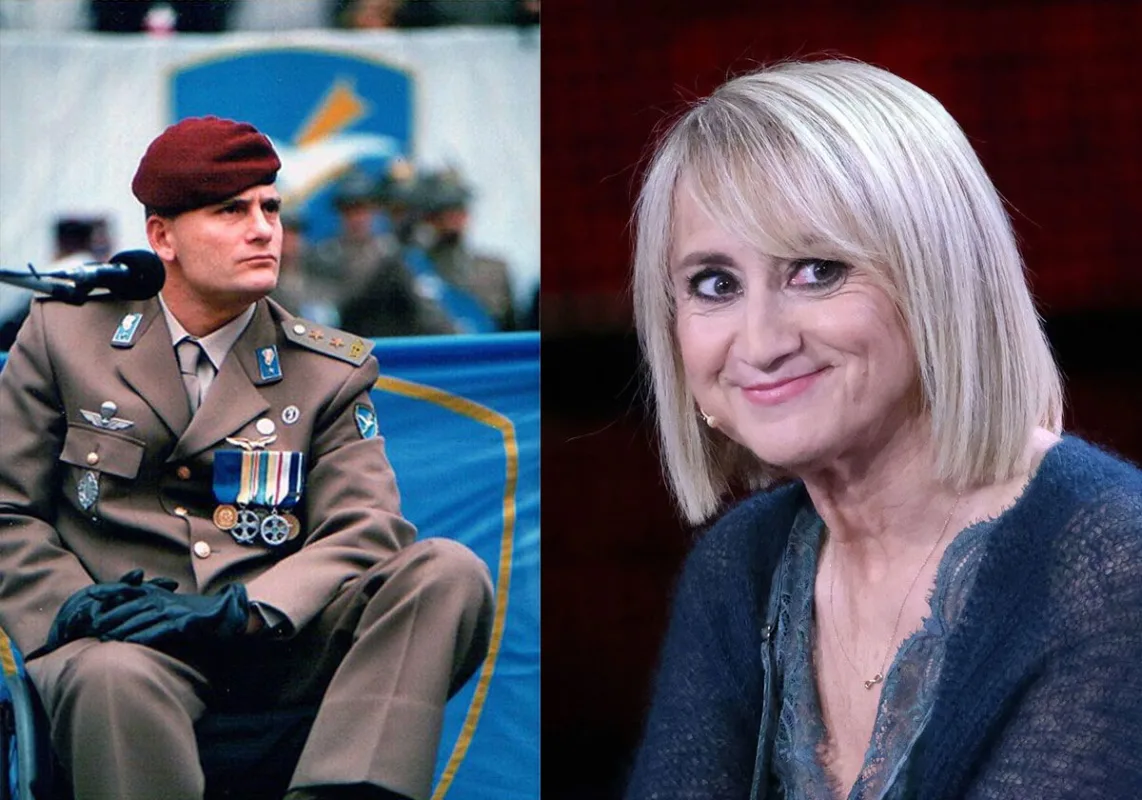

The recent statements by Luciana Littizzetto during Che Tempo Che Fa have sparked a wave of controversy. The Turin comedian, speaking about the European defense plan, mocked the Italian military capability, stating that “we Italians are not capable of waging war. We are terrible”. A joke that, although in a satirical context, seemed offensive to many, especially to those who have worn and wear the uniform with honor and sacrifice.
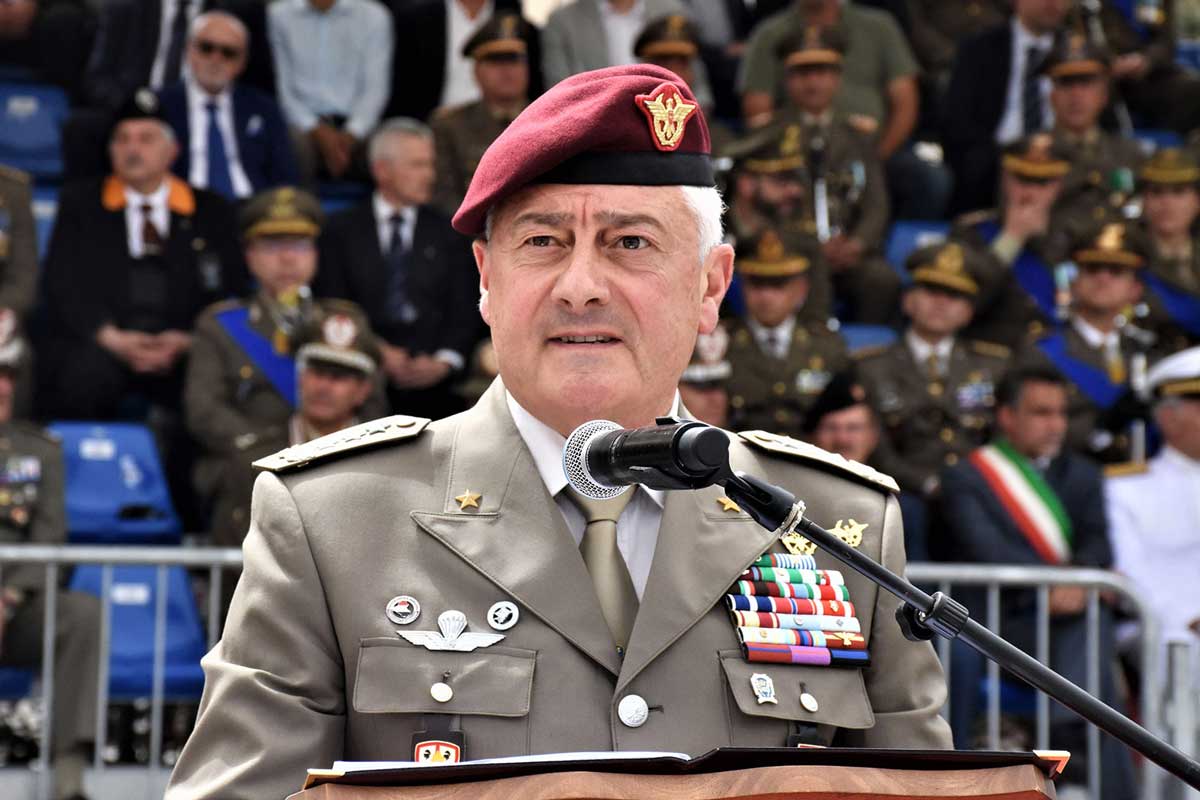
The Paratroopers' response: honor and sacrifice are no laughing matter
Responding firmly was General Marco Bertolini, former commander of the Folgore Paratrooper Brigade, who described Littizzetto's comment as “in bad taste and anything but spontaneous”. According to Bertolini, it was not an improvised joke, but a conscious choice to get easy applause: “Luciana Littizzetto knows very well that a swear word uttered by a woman always triggers the audience's complacent reaction. But this is not satire: it's the usual anti-Italian rhetoric that portrays our soldier as a buffoon and incapable. An old and false cliché”.
For the General, this narrative is useful to those who today push for a European army that downsizes national armed forces, labeled as "too subservient" to the interests of individual states.
Joining Bertolini's words was Lieutenant Colonel Gianfranco Paglia, Paratrooper and Gold Medal for Military Valor. Paglia fought with the legendary 15th Company “Black Devils” of the 186th Folgore Paratrooper Regiment in the Battle of Mogadishu in 1993, where he was hit by three bullets, losing the use of his legs. His response to Littizzetto is direct and full of dignity: “I respect Ms. Littizzetto as a woman and as an artist, but there is a limit. In front of men and women who wear the uniform with honor, one should only bow”.
Paglia recalled that the Italian Armed Forces enjoy international respect, thanks to the valor demonstrated on the field by our soldiers, often in difficult and dangerous missions. “One can lose a battle – he added – but our military has always done so with honor, as at El Alamein, where we received the honor of arms from the adversaries”.
According to Paglia, Littizzetto's words did not elicit a smile, but only annoyance, because “in those uniforms lies our history, made of sacrifice and dedication”. The Colonel's invitation is clear: “Not so much for us, who continue to serve the Republic, but out of respect for the Fallen, it would be right to apologize”.
Italy: a history of defeats? A partial and wrong narrative
Contrary to what Littizzetto suggested, Italy does not have a military history made only of defeats. The victory in the Italo-Turkish War (1912), in the First World War (1918), in the Ethiopian War (1936) and in the Spanish Civil War (1939) are proof of this. Caporetto was a harsh defeat, it is true, but the conflict ended with the Italian victory at Vittorio Veneto. And even the numbers cited by the comedian are incorrect: the Italian casualties in the Second World War were about 330,000 military and 85,000 civilians, not over 600,000 as stated.
Italian Constitution: between misinformation and truth
Luciana Littizzetto also inaccurately cited the Italian Constitution, stating that Italy repudiates war. This is true, but it must be explained correctly. Article 11 of the Constitution states that “Italy repudiates war as an instrument of offense against the freedom of other peoples and as a means of resolving international disputes”, but allows “in conditions of equality with other States, the limitations of sovereignty necessary for an order that ensures peace and justice among Nations”.
In other words, Italy does not renounce defending its sovereignty nor participating, when necessary, in international missions for the maintenance of peace and security.
But above all, it is Article 52 of our Charter that reminds us that “the defense of the Homeland is a sacred duty of the citizen”. A principle that binds every Italian to the responsibility of defending their country and respecting those who do so on the front line. Our Army is the People's Army and those who serve it wear a uniform that represents the identity and honor of the Nation. Every attack on our military does not only affect them, but the entire national community.
Beyond satire: respect for those who serve the country
The Italian Armed Forces are today recognized worldwide for their valor and professionalism. They operate in peace missions, humanitarian operations, emergency contexts, and security interventions on national territory. From the Sicilian Vespers to the earthquake in Abruzzo, from the Balkans to Afghanistan, our soldiers have always acted with honor and dedication, earning international esteem on the field.
Satire has the right to be irreverent, but it must never turn into misinformation or lack respect for those who risk their lives to defend the Republic. Offending the Armed Forces means striking a fundamental piece of national identity. Perhaps it would be appropriate for Luciana Littizzetto, besides seeking easy applause, to better inform herself and reflect on the weight of her words. Behind every uniform is a person who has sworn loyalty to the Republic, ready to sacrifice everything for the common good. And this, before being a subject of satire, should be a reason for respect.
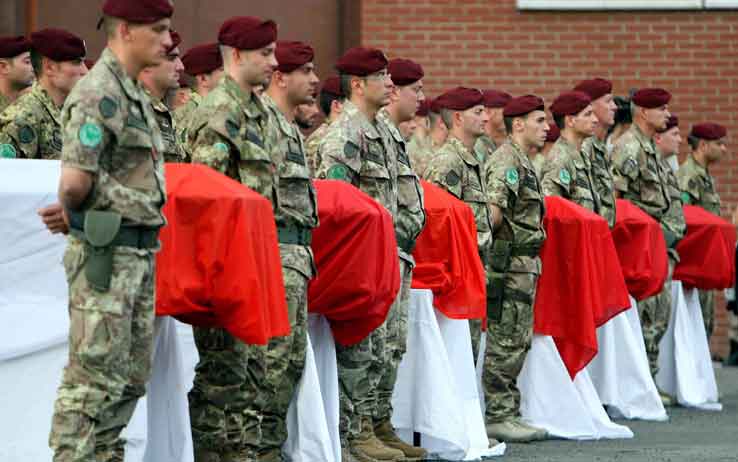
The legacy of the Folgore: sacrifice engraved in history
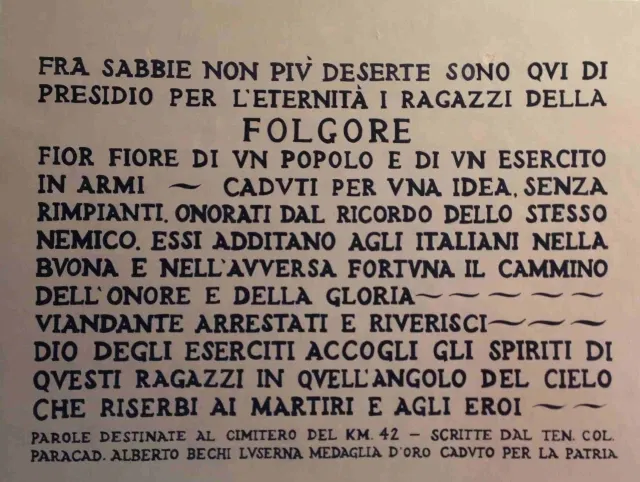
Anyone who truly wants to understand the value of Italian soldiers, and in particular the Paratroopers of the Folgore, should read the words engraved on the shrine of El Alamein, written by Lieutenant Colonel Paratrooper Alberto Bechi Luserna, Gold Medal for Military Valor, who fell for the Fatherland. A testament of courage, dedication, and love for Italy that still resonates strongly today:
"Among sands no longer deserted, here stand guard for eternity the boys of the Folgore, the flower of a people and an army in arms. Fallen for an idea, without regrets, honored by the memory of the same enemy. They point out to Italians, in good and adverse fortune, the path of honor and glory. Traveler, stop and pay respect. God of armies, welcome the spirits of these boys in that corner of heaven reserved for martyrs and heroes."



Comments (133)