


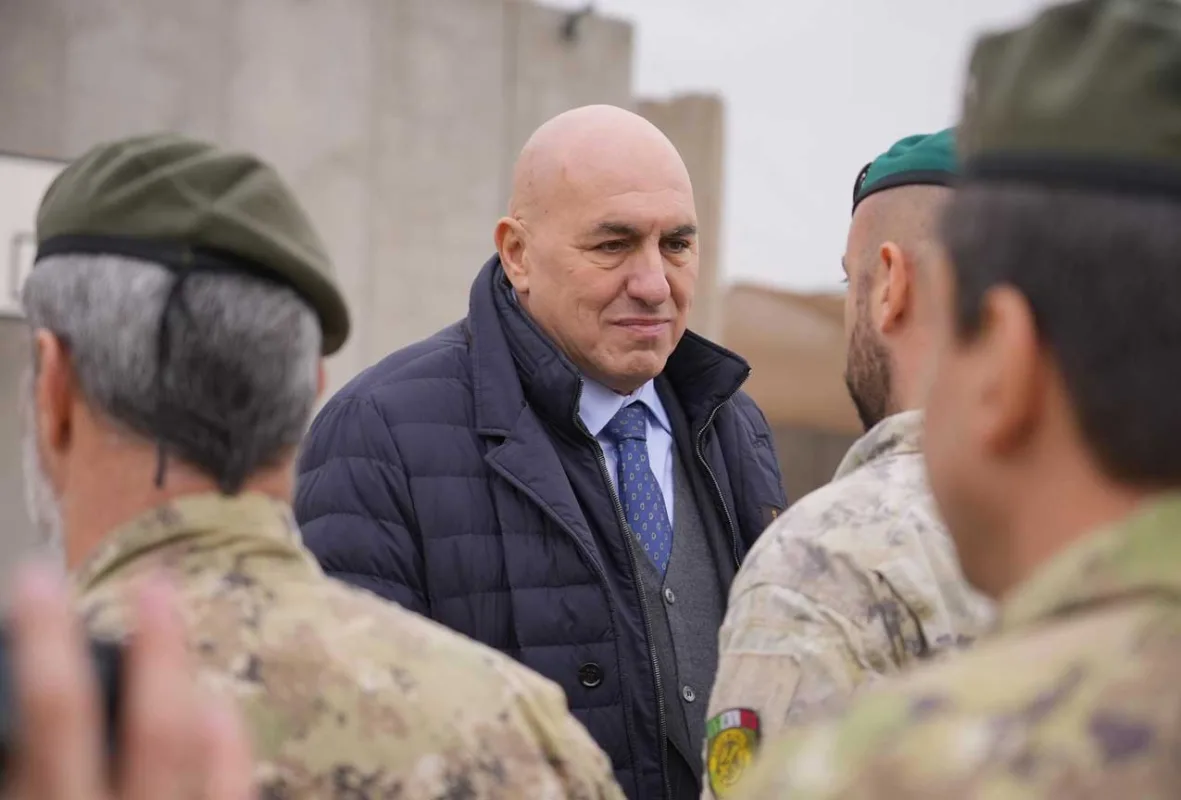

The plan by Minister Crosetto redesigns the military tool to promptly respond to geopolitical threats: operational, specialist, and territorial reserves are introduced. The new draft law for the revision of the military tool, promoted by Defense Minister Guido Crosetto, introduces profound innovations for the Italian armed forces. The central objective of the measure is to increase the reaction capacity and flexibility of the Defense in the face of modern security challenges, which require increasingly rapid intervention times. The Italian response is articulated on two fronts: a structural strengthening of the personnel and the creation of a pool of trained reservists.
A progressive increase of 40,000 units by 2033
The draft law provides for a delegation to the Government to adopt, within twelve months of its entry into force, one or more legislative decrees. The core of the maneuver is a progressive increase in the overall personnel – up to a maximum of 40,000 units – by December 31, 2033.
The new entries will concern the Italian Army, the Navy (excluding the Coast Guard), the Air Force, and the Unified Military Health Corps, both in permanent service and fixed-term service. This increase is designed to ensure the full integrability of the national military tool in international contexts and in the perspective of a common European defense policy.
The increase will be staggered year by year based on the resources of the budget laws and recruitment capacities, with annual ceilings set at:
- 2028: 5,071 units
- 2029: 5,321 units
- 2030: 7,001 units
- 2031: 7,444 units
- 2032: 7,500 units
- 2033: 7,663 units
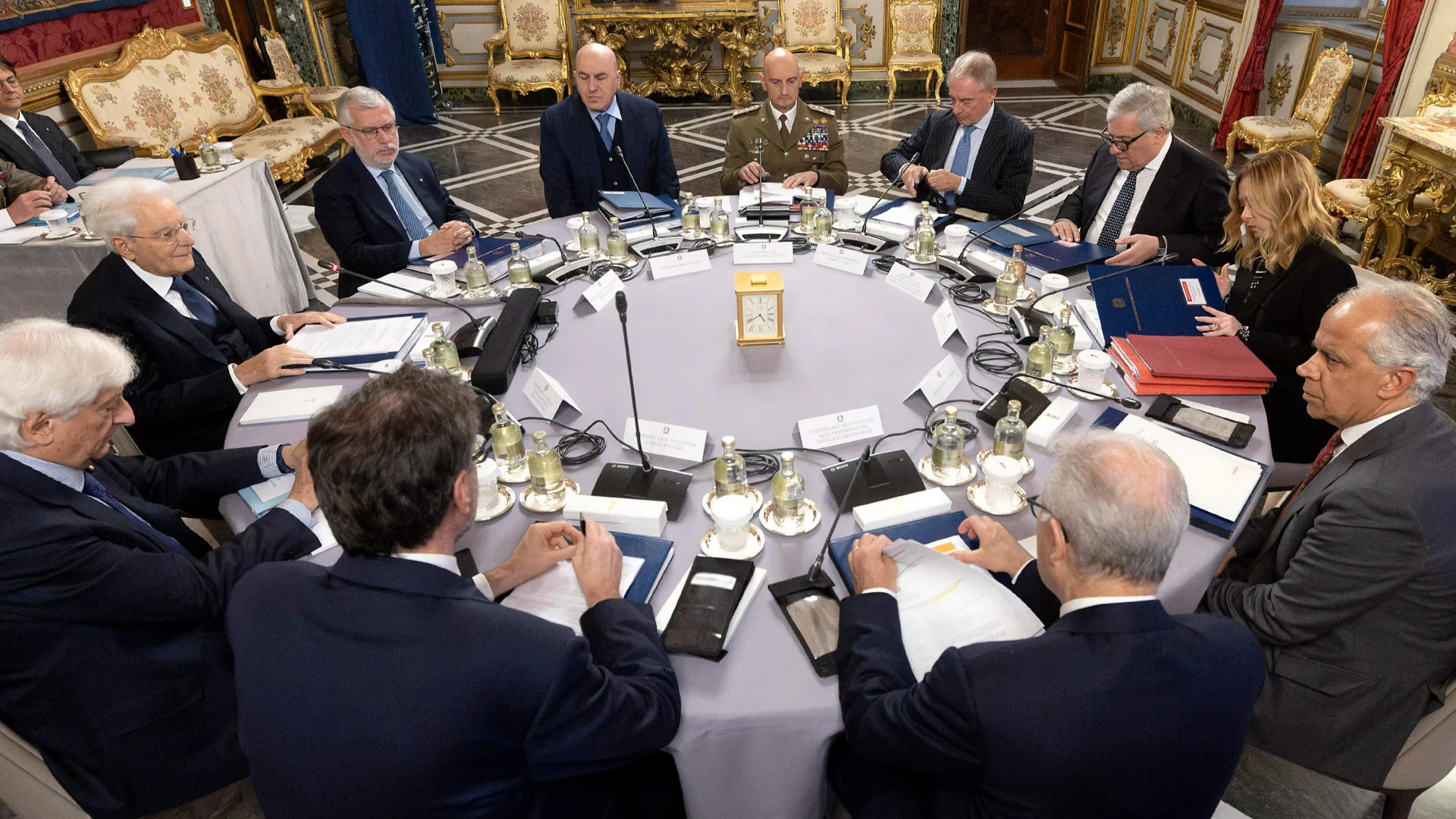
The Turning Point of the Operational Reserve: Training and Compensation
To support the Armed Forces both in peacetime and in crisis situations, the operational reserve is established. It will be a pool of trained and readily deployable personnel. Reservists will be recalled to service annually for targeted training activities to maintain operational readiness.
For each day of actual service performed during training recalls, operational reserve personnel will receive a net compensation of 130 euros (net of charges borne by the State), not cumulative with allowances for overseas service, except for the right to receive the more favorable treatment.
Inclusion in this pool requires an irrevocable availability commitment of at least five years. Exclusion from the operational reserve will occur in the event of loss of military status, unfitness for service, poor performance, or reaching age limits: 55 years for officers, non-commissioned officers, and graduates, and 45 years for enlisted personnel.
Specialist and Territorial Reserves: Skills and Local Assistance
The Crosetto reform does not stop at the operational reserve but introduces two other types of completion forces:
- Specialist Voluntary Reserve: composed of officers, warrant officers, sergeants, and complementary graduates with specific professional skills. This personnel may be recalled to service, upon request, for specific needs of the individual Armed Forces or Military Health.
- Territorial Reserve: designed to create a pool of personnel strongly rooted in the territory. Volunteers will be employed exclusively on a national scale to support the Armed Forces in activities in cooperation with the Police Forces, emergency management, natural disasters, and rescue.
To access the territorial reserve, it will be necessary to be between 25 and 35 years old and have a lower secondary school diploma (first-grade secondary education). Selected candidates will be admitted to a fixed-term service of 12 months and will follow a training path of no less than 30 days. They will then be assigned to commands and entities located in their region or geographical area of recruitment, thus ensuring a rapid and proximity response in case of need.




Comments
No comments yet. Be the first!