


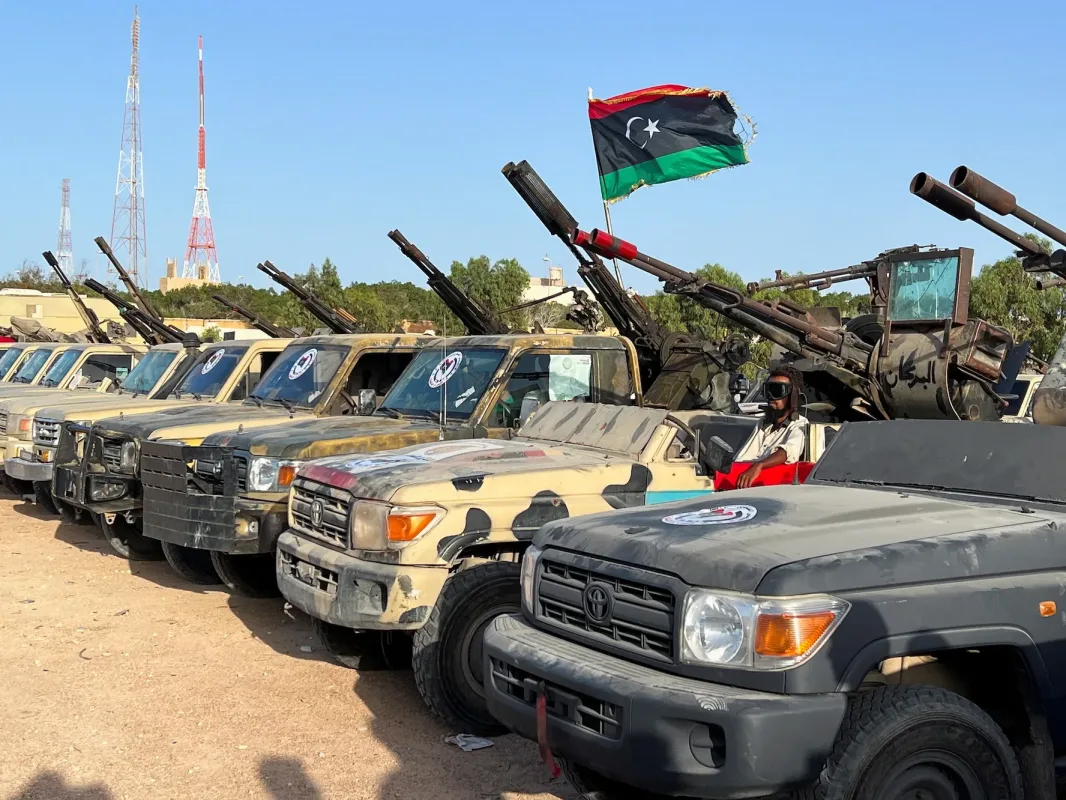

The debate on Italy's geopolitical posture and the deployment of its Defense assets abroad today requires a deep reflection on the flexibility and sustainability of our missions. For about twenty years, Italy has deployed a contingent of about 1,000 soldiers in Lebanon as part of the UNIFIL UN mission. While on one hand, this prolonged presence has undoubtedly conferred international prestige and visibility to our country's uniformed diplomacy, on the other hand, the changed global scenarios suggest the opportunity to evaluate the long-term effectiveness of this effort in relation to direct national interests.
Lebanon, historically a partner linked to Italy by deep cultural and diplomatic ties, does not represent an exporter of raw materials nor a primary commercial partner. The current framework in the Levant also sees the convergence of strong regional dynamics, reducing the geopolitical maneuvering space for a multinational force. In this context, the possible remodulation or closure of the UNIFIL mission – combined with NATO's recent decision to initiate a reduction of troops in Kosovo – presents itself as an extraordinary strategic opportunity. These concurrent disengagements would allow the release of valuable assets and recalibrate resources towards areas where the real and urgent economic, energy, and security destinies of the Nation are at stake.
Towards a New Model: Flexible and "Light" Cooperation
Recalibration should not mean simply transferring large contingents from one geographic area to another. On the contrary, Italy's geostrategic maturity must be expressed through much more dynamic models of military cooperation. The goal is to overcome the logic of permanently deployed troops for long periods – which immobilize resources and offer little flexibility – in favor of an agile and targeted presence.
The new international projection of Defense should therefore be based on:
- Exercises and Bilateral Exchanges: Joint, rapid, and high-impact training activities to test interoperability with partner countries.
- Training and Visits: Qualification courses, delegation exchanges, and technical visits to consolidate diplomatic-military ties.
- Joint Industrial Activities: Synergies in the Defense and aerospace sector, promoting industrial partnerships that create economic and technological value for both countries.
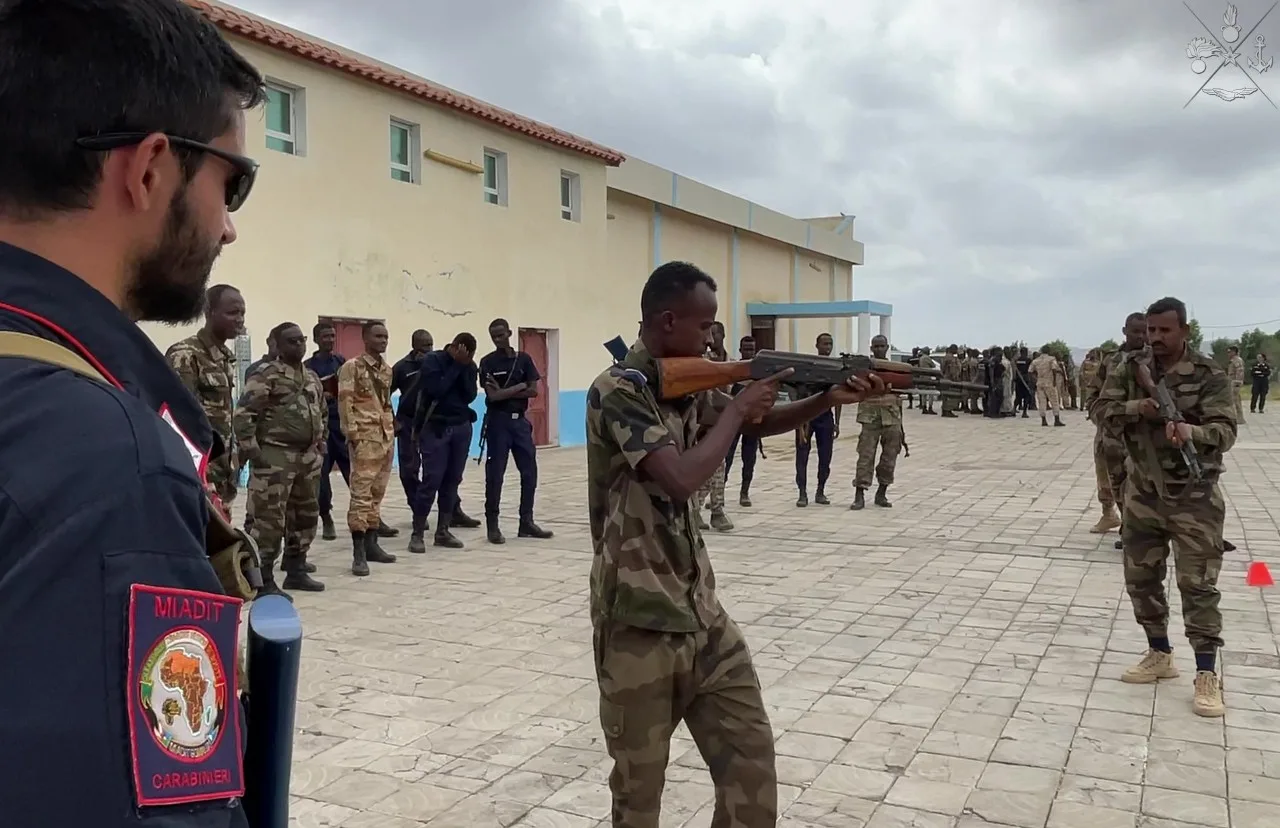
Reorienting the Effort: North Africa and the Horn of Africa
Orienting this new model of dynamic effort towards North Africa and the Horn of Africa means acting in areas of vital and immediate national interest.
1. The North African Quadrant: Energy, Markets, and Security
Nations like Egypt, Libya, Tunisia, Algeria, and Morocco constitute essential partners for Italy's socio-commercial balance for several strategic reasons:
- Resources and Raw Materials: They represent the pillars of our energy security and source diversification, with an increasingly consolidated economic exchange.
- Demographic Dynamism: They are markets characterized by strong demographic and social growth, crucial for the expansion and industrial cooperation of our companies.
- Geopolitical Buffer: North Africa represents the advanced frontier indispensable for the stability of the Mediterranean and for the controlled management of migratory flows from sub-Saharan Africa.
2. The Horn of Africa: The Backbone of Maritime Trade
Similarly, projecting stable influence and support in the Horn of Africa and adjacent waters is useful to ensure free navigation towards the Suez Canal. From this vital maritime hub transit the commercial flows coming from the Far East, an area of fundamental commercial interest not only for Italy but for the entire Europe.
Italy's Role: An Authoritative and Credible Partner
Italy possesses a unique combination of history, technical-diplomatic capability, military sensitivity, and international consideration. In the eyes of the countries on the southern shore of the Mediterranean and eastern Africa, our Nation represents an authoritative reference point: a modern, balanced democracy ready to assist and support the development of less advanced nations through equal, dynamic, and non-predatory partnership formulas.
Rethinking the international positioning of Italian assets, exploiting the windows of opportunity opened by the transitions in Lebanon and the Balkans, would constitute not only a huge step forward in the national economic and diplomatic fields but would also be an evident proof of geostructural maturity. Concentrating resources through dynamic and industrial activities where national interest is most alive is the best way to transform our military presence into real geopolitical influence.



Comments
No comments yet. Be the first!