




The leaders of the United States Special Forces (SOCOM) have raised a strong protest against the intellectual property constraints imposed by defense industry giants. According to the commanders, commercial contracts prevent rapid and crucial modifications in the field, a limitation that is slowing down the effectiveness of elite units just as the global geopolitical threat intensifies.
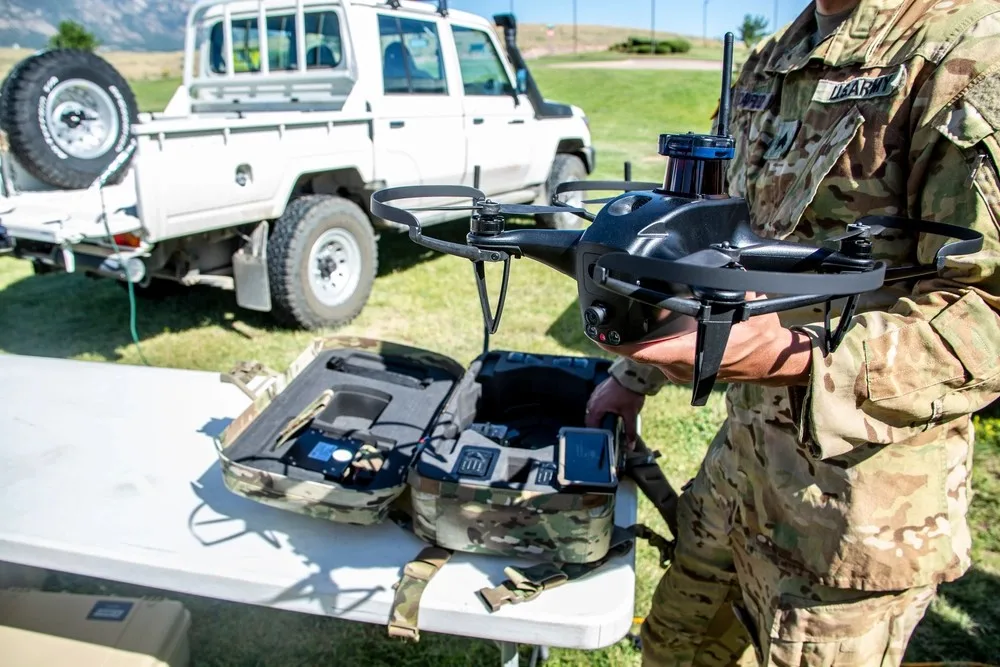
The problem emerges in all its severity in the sector of remotely piloted weapon systems. The technological evolution of drones is moving at a speed that the Pentagon's bureaucratic apparatus cannot keep up with.
"The main obstacle for our units is the inability, for those on the front line, to have the legal authorization to modify the devices. We are literally hostage to the manufacturers' patents. We ask that our operators be granted the right to repair."
— Lt. Gen. Lawrence Ferguson, Commander of the U.S. Army Special Operations Command
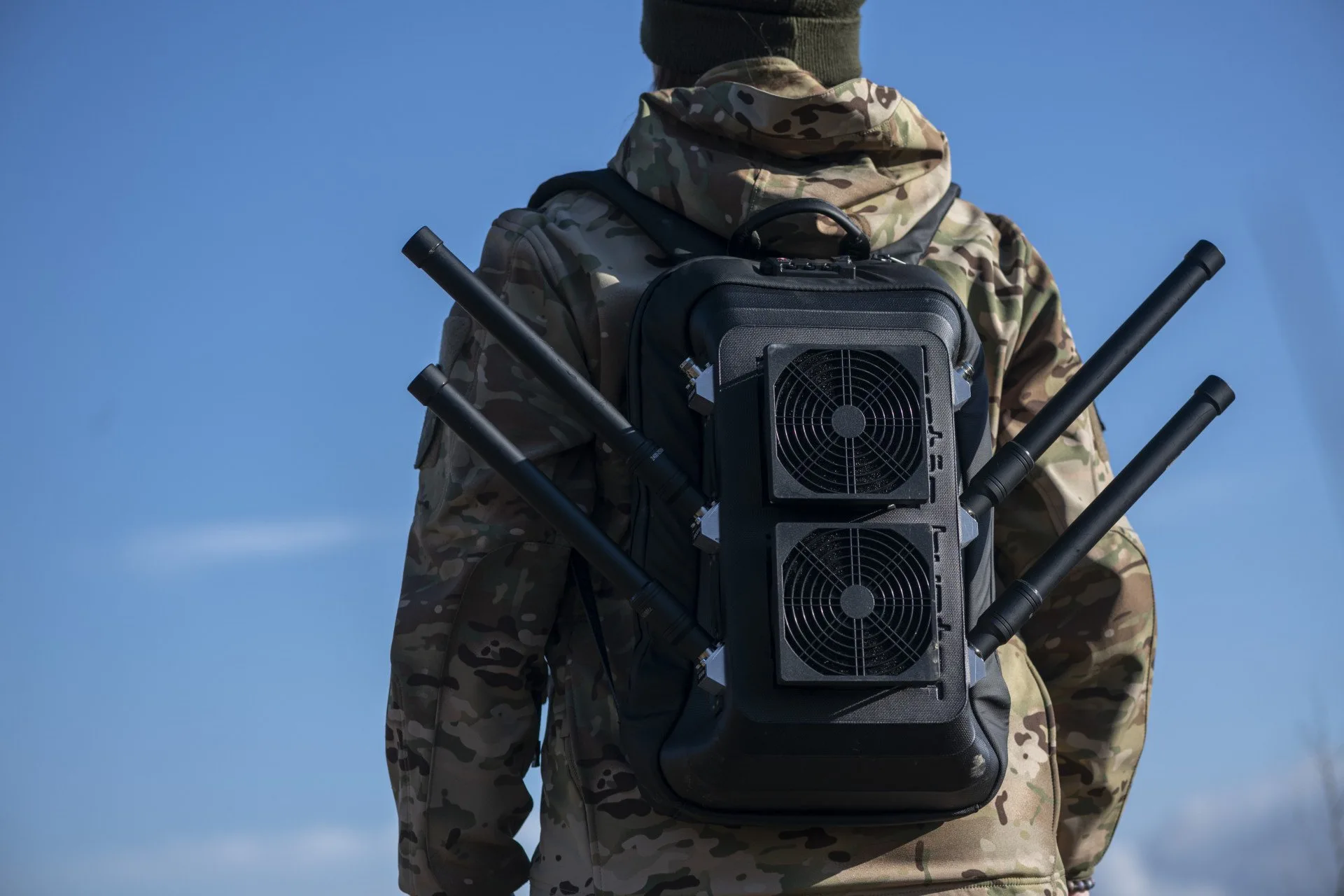
Defense Multinationals Block Tactical Innovation
The alarm raised by Ferguson was unanimously shared by the leaders of the Navy, Air Force, and Marine special commands before the Senate Subcommittee on Emerging Threats.
Industrial Monopolies and Software Warfare
The barriers are not mechanical but digital. Integrating new lightweight weapon systems on existing aerial platforms requires immediate software interventions, which are currently blocked.
- Sealed Computers: The head of the Air Force Special Operations Command (AFSOC), Lt. Gen. Michael Conley, explained that access codes to flight systems are sealed by large manufacturing companies.
- Small Businesses Crushed: More dynamic tech startups ready to provide immediate solutions are regularly ousted from the market due to the political and economic dominance of major contractors.
Invited by Senator Ashley Moody (R-Fla.) to name the industrial giants responsible for this blockade, the generals preferred to remain discreet.
The Parallel with the Civilian World
The frustration of the military mirrors the historic civilian battle for the Right to Repair, which involves consumer electronics and agricultural machinery. Despite the strategic relevance for national security, Congress has removed the protections on the right to repair from the Defense budget (NDAA) for the fiscal year 2026.
This legislative gap penalizes special forces, historically accustomed to serving as a laboratory for future warfare technologies. Meanwhile, asymmetric adversaries operate without rules:
| Military Actor / Group | Technological Flexibility | Contractual Limitations |
| US Special Forces | Low (Bound by manufacturers) | Rigid intellectual property clauses |
| Cartels and Militias (e.g., Al-Shabaab) | Very High (Real-time modifications) | None (Use of commercial drones) |
"Criminal and terrorist organizations buy drones on the civilian market and convert them into weapons in a few hours," denounced Maj. Gen. Peter Huntley (Marines). "We can purchase the same drones, but the bureaucratic apparatus prevents us from adapting and standardizing them on a large scale."
The International Chessboard: The Impact of the Conflict with Iran
The Senate hearing also highlighted the strong operational pressure resulting from the ongoing war with Iran, which is pushing SOCOM's logistical capabilities to the limit.
General Conley confirmed that the special aviation had to manage the two largest redeployment efforts in its thirty-year history while simultaneously keeping operations active in five other global theaters.
[US Logistics Flows] === (Less access to EU carriers) ===> [CENTCOM Transit Hub]
Complicating the picture are diplomatic disagreements between Washington and several European capitals regarding the management of the Iranian conflict. Countries like Spain have denied the use of their military bases to US forces.
Responding to questions from Senator Elissa Slotkin (D-Mich.), military leaders admitted that the era of guaranteed access in Europe is over:
"We have taken the availability of allied installations for granted for too long. We can still complete missions, but the loss of secure access along the transatlantic route to CENTCOM imposes an enormous logistical effort on us."
While transport logistics suffer due to diplomacy, Ferguson nevertheless reassured the committee about the strength of field relations: the historic and fraternal cooperation between American special forces soldiers and international partners remains solid.

Comments
No comments yet. Be the first!