


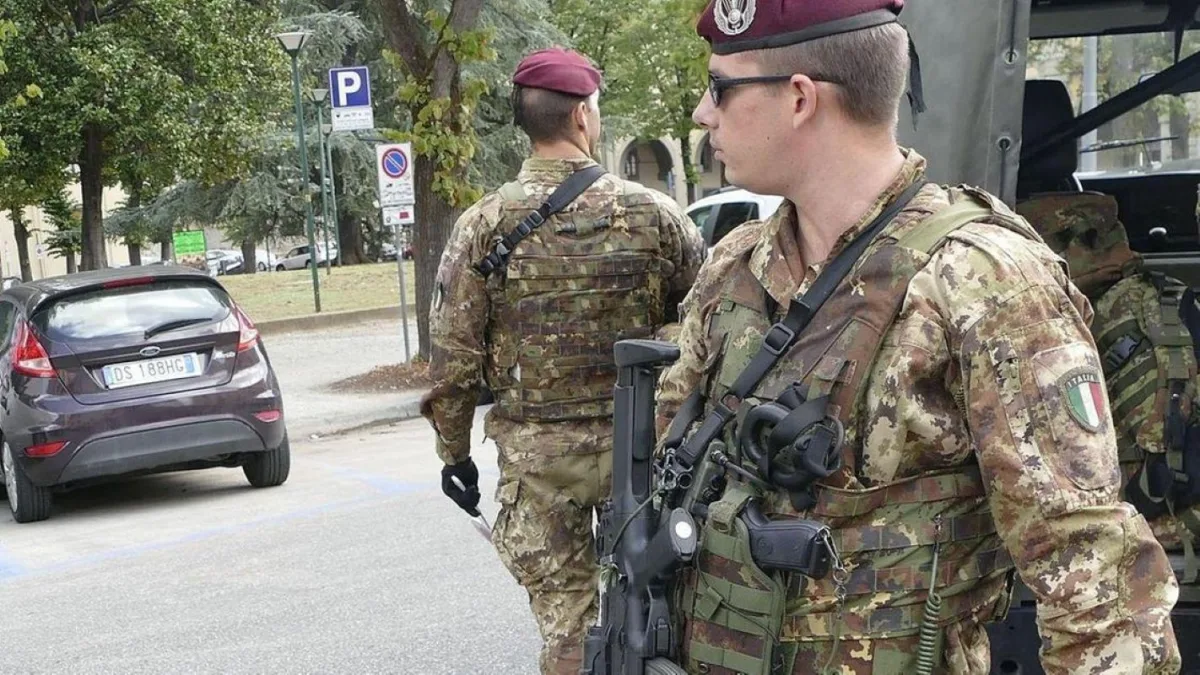

An act of courage straight out of an action movie, a display of readiness and civic sense that should have closed a chapter of petty crime, clashes with the harsh reality of a judicial system that seems to nullify the efforts of those who step up. The recent episode involving Paratrooper General Rodolfo Sganga in Naples has become the emblem of widespread frustration.
Sganga, a man of arms and valor with a stellar career, did not hesitate to chase on foot a mugger who had snatched a necklace from a woman's neck. A heroic action that ended with the arrest of the criminal. Yet, a few days later, that same man was caught red-handed by the Carabinieri while committing another mugging.

The Endless Cycle of Impunity
The problem is not just the repetition of the crime, but the feeling of an endless cycle of impunity. The arrest, the result of a risky intervention, loses its value if justice cannot follow through with appropriate penalties. This not only demoralizes the Law Enforcement, who see their work nullified, but also fosters in citizens a dangerous sense of insecurity and abandonment.
People, tired of living in fear of crimes that go unpunished, seek immediate answers. Trust in the State and its institutions crumbles, pushing people to demand increasingly severe, rigid, and uncompromising solutions. It is no longer a simple political debate, but an instinctive reaction to a perception of growing danger.

Society Becomes Extreme
When justice fails, society polarizes. The heroic gesture of General Sganga has shone a light on an unacceptable reality: the courage of citizens and the effectiveness of Law Enforcement are rendered useless by a system that does not adequately punish. It is a dangerous short circuit that, if not urgently corrected through a reform of the laws, risks leading to extreme and unpredictable social consequences, where the desire for security can override all other considerations.






Comments
No comments yet. Be the first!