


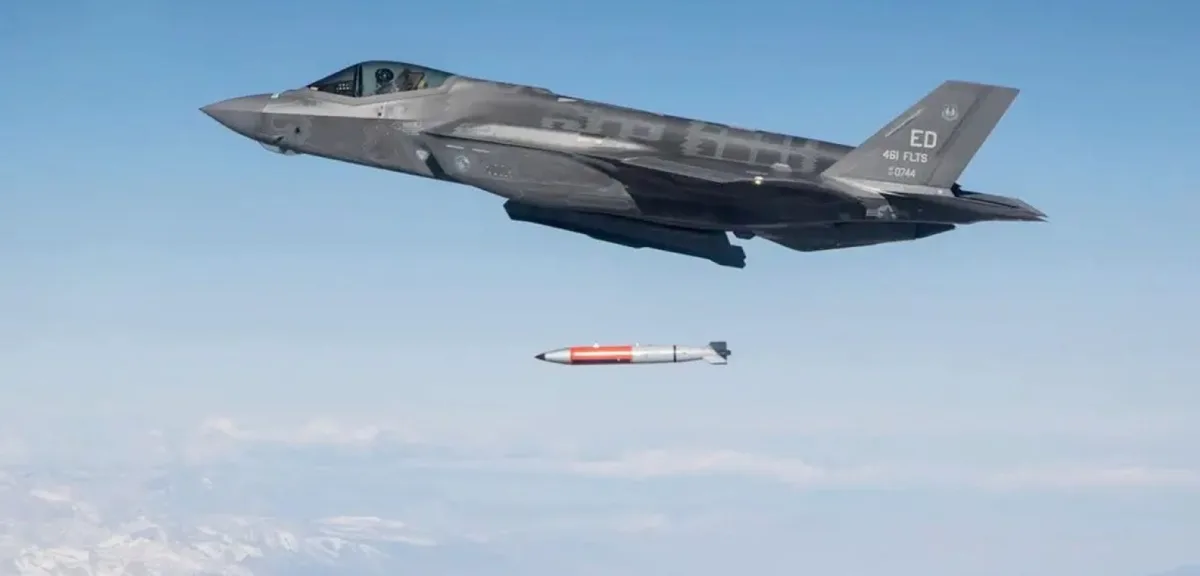

On May 2, 1975, Italy signed the Nuclear Non-Proliferation Treaty (NPT), committing not to receive, possess, or control nuclear weapons. Yet, according to unofficial estimates, between 70 and 90 U.S. B61 nuclear bombs are currently stored in our country, distributed between the bases of Aviano (Pordenone) and Ghedi (Brescia).
An Ipsos survey, although dated, showed that 80% of Italians are against the presence of nuclear warheads on national territory. However, the issue has never been the subject of a true public debate, remaining confined to political-military decisions made behind closed doors.

From the Atomic Race to the Withdrawal of the Jupiter
Immediately after World War II, the Italian Armed Forces attempted to develop their own nuclear capabilities.
- 1950s: MGR-1 and MGR-5 tactical missiles were deployed, followed by 90 Hercules missiles with W31 warheads, all under U.S. control.
- 1959: Italy obtained 30 intermediate-range Jupiter ballistic missiles from the USA, with an operational base in Gioia del Colle and a “dual-key” system that provided partial Italian control.
- 1962: the Cuban Missile Crisis changed everything. The agreement between Kennedy and Khrushchev to avoid nuclear war also included the withdrawal of the Jupiter missiles from Italy and Turkey.
In response, Rome launched an autonomous program that culminated in the development of the Alfa ballistic missile and the conversion of the cruiser Giuseppe Garibaldi for nuclear use. The first test of the Alfa, in 1976 at Salto di Quirra, was a technical success, but the project closed the year after the signing of the NPT.
NATO's Nuclear Sharing Today
The presence of nuclear bombs in Italy is part of the NATO nuclear sharing program (nuclear sharing), in which:
- The United States provides and maintains the weapons.
- The host country provides aircraft and trained personnel for their use in case of conflict.
At Ghedi, Italian Tornadoes (and in the future F-35s) are certified to carry the B61. Here, operations are managed in coordination with NATO.
At Aviano, however, the weapons are under full U.S. control and loaded onto American F-16 fighters, which are also being replaced by F-35s.
The B61 Mod.3 and Mod.4 are free-fall bombs with adjustable power up to 45-60 kilotons, intended for tactical and strategic use. Their presence, confirmed by specialized sources but never officially recognized by the Italian government, makes the two bases primary targets in case of nuclear conflict.

NATO's Nuclear Policy
According to the official document NATO’s nuclear deterrence policy and forces (updated June 24, 2025), nuclear weapons remain «a fundamental element of the Alliance's overall capabilities for deterrence and defense, alongside conventional and missile defense forces».
NATO emphasizes that:
- Primary purpose: preserve peace, prevent coercion, and deter aggression.
- Condition: as long as nuclear weapons exist, NATO will remain a nuclear alliance.
- Deterrence posture: based on an appropriate mix of nuclear, conventional, and missile defense capabilities, integrated with space and cyber capabilities.
- Political control: decisions remain under the strict supervision of heads of state and government, through the Nuclear Planning Group.
The document also reaffirms the importance of the “widest possible participation” of Allies in nuclear sharing programs, just as it happens in Italy.

Risks and Implications for Italy
The placement of the B61 at Aviano and Ghedi has significant implications:
- Priority target: in case of nuclear escalation, these bases would be among the first targets.
- Limited sovereignty: Italy does not have direct control over the use of the weapons.
- Contradiction with public opinion: the majority of citizens oppose their presence.
In the context of tensions with Russia and the war in Ukraine, President Vladimir Putin has repeatedly evoked the nuclear threat. NATO, for its part, reaffirms its commitment to maintaining the credibility of its deterrence, modernizing systems, and improving operational readiness even against chemical, biological, radiological, and nuclear threats.
Conclusion
The history of nuclear weapons in Italy intertwines national ambitions, geopolitical decisions, and NATO's collective nuclear strategy. Today, officially a non-nuclear country, Italy is part of a deterrence system that places it at the center of global strategic balances, with all the risks and responsibilities this entails.



Comments
No comments yet. Be the first!