


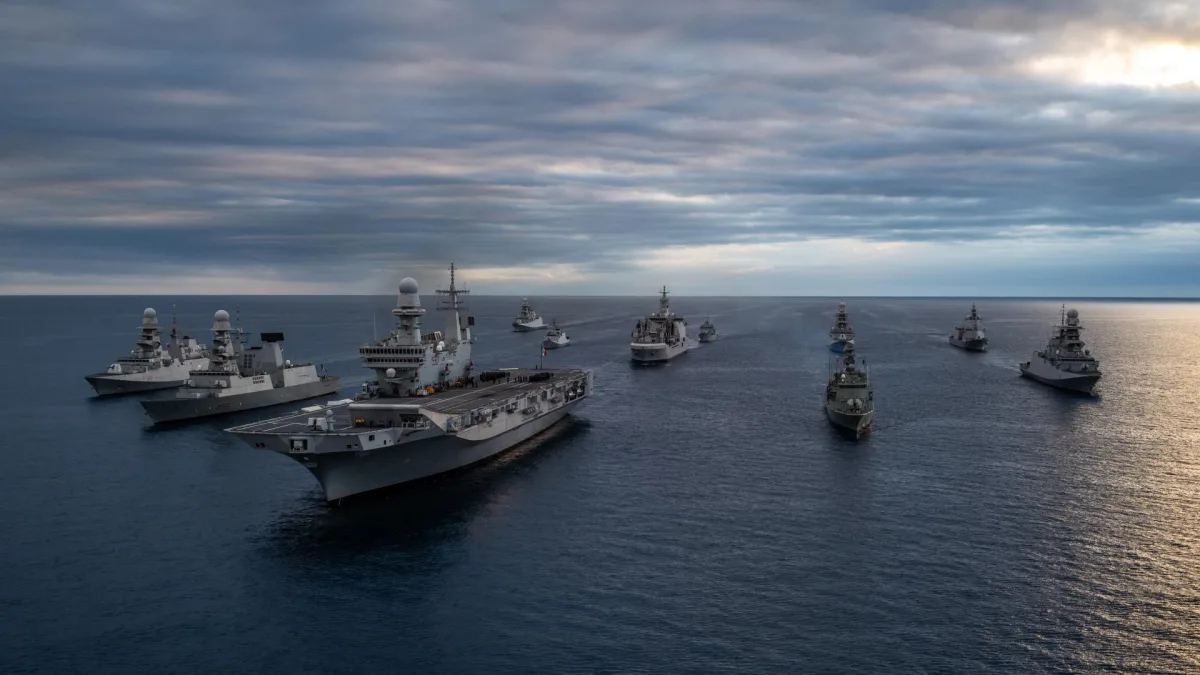

The “Maritime Combat and Advanced Training 2026” (MCAT26) has officially begun, the advanced training event of the Italian Navy that involves the assets of the Naval Squadron in a complex series of activities distributed between the Ionian Sea, the Ligurian Gulf, and the Sardinian Sea.
Planned, directed, and coordinated by the Training Department of the Naval Squadron Command (CINCNAV), the MCAT26 represents an innovative training format. Although it develops through serial activities of increasing difficulty, the exercise sees the simultaneous involvement of three different Tactical Commanders:
- The Second Naval Division in the Ionian area;
- The Third Naval Division and the staff of the San Marco Marine Brigade in the Sardinian area;
- The Fifth Naval Division in the Ligurian area.
Overseeing the entire operation, with tasks of analysis and evaluation of training performance, is the Naval Air Training Center (MARICENTADD).
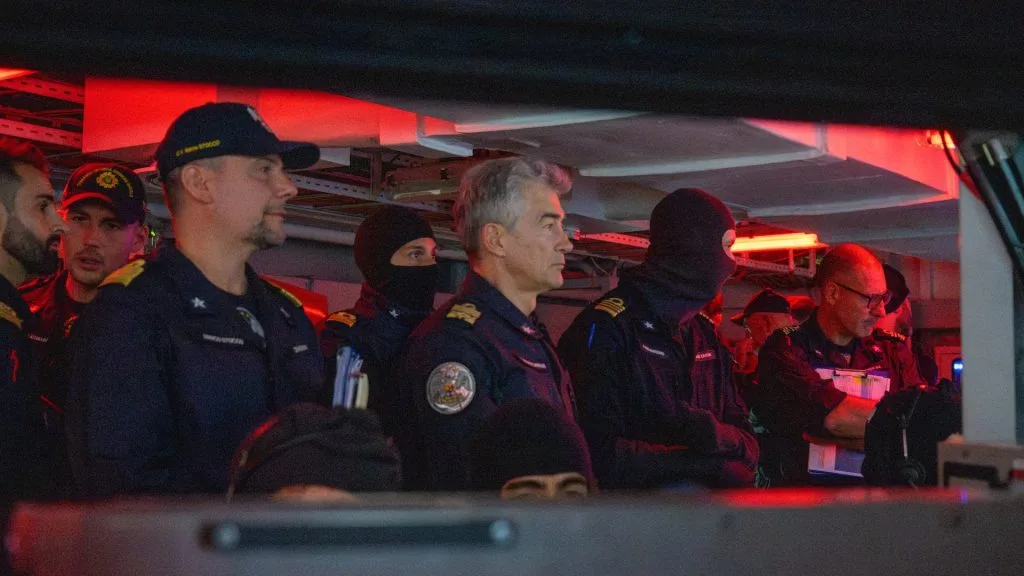
Air Defense in the Ionian and Projection from the Sea in Sardinia
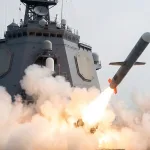
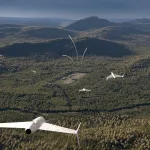
The beating heart of the MCAT26 is represented by the Air Defence activities in the Ionian Sea. In this basin, the aircraft carrier Cavour and the main offshore units (including the destroyer Andrea Doria, the FREMM frigates, and the modern multi-mission combat units) operate in high-intensity contexts alongside submarines and air assets. To maximize realism and consolidate tactical reaction procedures, the Armed Forces are also employing advanced unmanned systems.
Meanwhile, in the waters of Sardinia, Ship San Giorgio serves as the hub for the amphibious maneuvers of the San Marco Marine Brigade. The Fusiliers of the 1st Regiment are also training in urban combat within the new MOUT (Military Operations in Urban Terrain) Village simulator at Capo Teulada.
The CBRN Scenario at Borgo Sabotino and Mine Warfare in the Ligurian Sea
The 2026 edition also stands out for the experimentation of complex unconventional scenarios. At the former Nuclear Power Plant of Borgo Sabotino (Latina), a CBRN (Chemical, Biological, Radiological, and Nuclear) emergency was simulated. The operation saw the joint intervention of specialist Navy units supported by an inter-agency device composed of the 7th Regiment “Cremona” of the Italian Army, the Carabinieri Corps, and other civil and military components responsible for managing such crises.
Simultaneously, in the Ligurian Gulf, the ITA MINEX 26 is taking place. Minehunter units and unmanned systems are engaged in the search, location, and neutralization of mine simulacra, a crucial activity based on the concept of Distributed Maritime Operations to ensure the safety of maritime communication lines and access to national ports.
C4S Technology and International Cooperation
A transversal and enabling role is played by the C4S Command of the Italian Navy (Command, Control, Communications, Computers, and Security). Thanks to the integration of secure networks, interoperable digital architectures, and command support systems, onboard leaders and embarked staff can operate in a coordinated manner in a geographically fragmented and highly complex scenario.
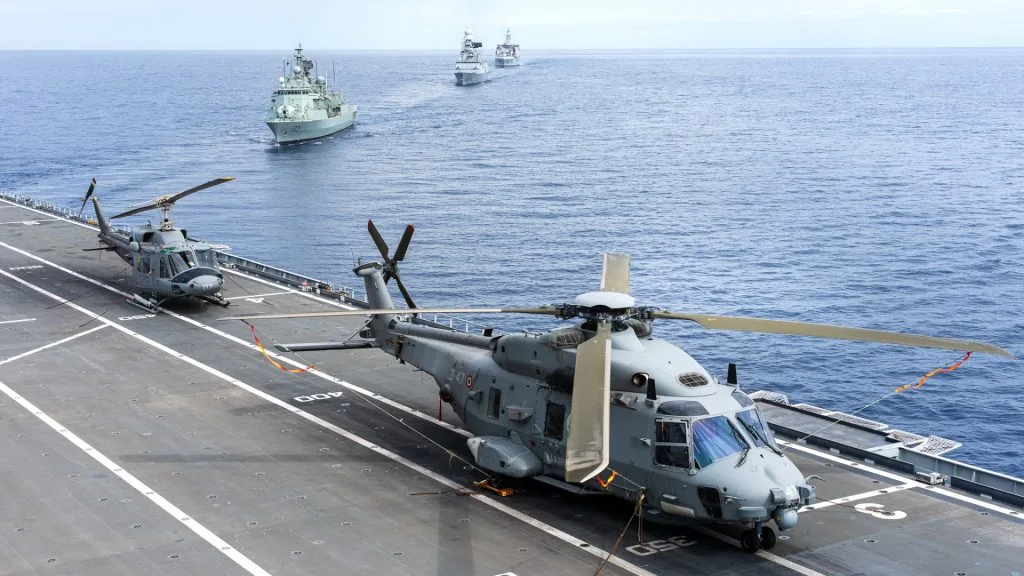
The strategic value of the MCAT26 is also emphasized by its international dimension. The exercise includes the participation of the Portuguese frigate Alvares Cabral, operating under the flag of the European Maritime Force (EUROMARFOR), along with specialist teams from allied and partner countries. A fundamental synergy to consolidate common procedures and maintain the operational readiness of the Naval Squadron at the highest levels.


Comments
No comments yet. Be the first!