


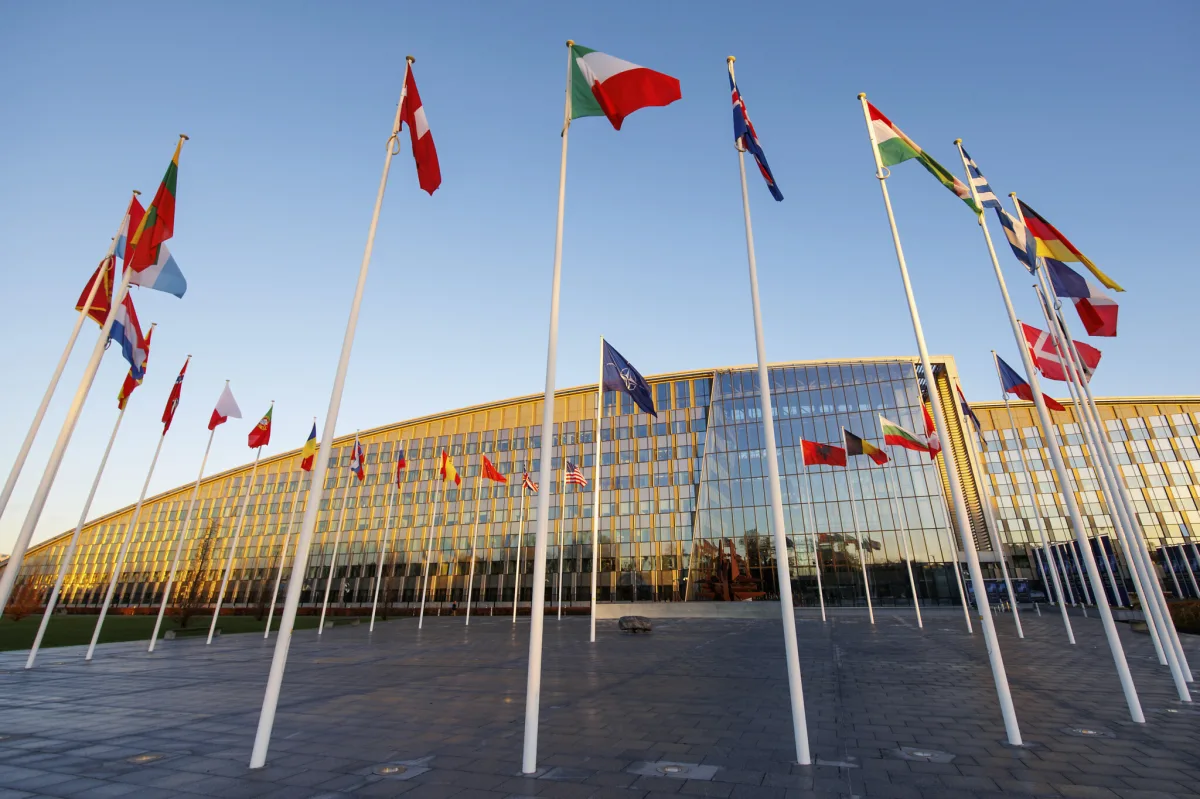

The Atlantic Alliance has initiated a process to define the defense costs of its members, establishing a percentage of the gross domestic product (GDP) to be allocated to military spending. For Italy, the future commitment translates into a significant figure: approximately 4 billion euros per year, totaling over 30 billion in seven years.
The New NATO Goal and Italian Defense Spending
In the context of increasing attention to security and the protection of strategic infrastructures, NATO is implementing a new military spending scheme. Each country will have to allocate 3.4-3.5% of its GDP to defense, a goal that, for Italy, translates into about 4.3 billion euros per year. The total amount of the Italian commitment will be over 30 billion euros in the next seven years.

The spending mechanism provides a distinction between the 3.4-3.5% dedicated to the armed forces (including expenses for ordnance, military vehicles, salaries for soldiers and officers) and the 1.5% allocated to other areas, such as the protection of vital infrastructures (energy plants, submarine cables) and "cyber security". The approach adopted by NATO also includes annual deadlines, with an increase of 0.2% of GDP to be allocated to defense each year.
Trump's Pressures and the Antalya Summit
A key element in this transformation of defense spending is the influence of the United States. Donald Trump pushed for Alliance members to commit to allocating 5% of their GDP to security, with a division between military spending and other items. The meeting of NATO foreign ministers, scheduled for May 14-15 in Antalya (Turkey), will play a crucial role in defining the operational details of this proposal. Among the participants at the summit, the presence of the US Secretary of State, Marco Rubio, is also expected.

Italy now faces a significant spending commitment. Currently, Italian defense spending is equal to 1.57% of GDP, with an allocation of 31.2 billion euros in the 2025 budget. The Italian government plans to reach 2% by also including items not previously considered, such as expenses for the Coast Guard, Carabinieri, and Guardia di Finanza. These new parameters will be presented to NATO during the June summit.
Cavo Dragone's Vision: The Need for a Collective and Technological Commitment
Another element to consider concerns the options offered by the European Commission, which allows member states to exceed the 3% GDP deficit limit, reaching up to 4.5% to finance armament spending. Sixteen European Union countries have already activated this safeguard clause. However, the Italian government, led by Giorgia Meloni, has not yet made a definitive decision. While Foreign Minister Antonio Tajani and Defense Minister Guido Crosetto seem in favor of taking advantage of this opportunity, Economy Minister Giancarlo Giorgetti expresses concern about Italy's already high public debt.

In recent interviews, Admiral Giuseppe Cavo Dragone, former Commander of COFS and president of the NATO Military Committee, emphasized the importance of increasing military spending more efficiently, criticizing the fragmentation among NATO and EU countries that prevents economies of scale. The defense of European industrial sovereignty, he added, has contributed to a technological delay in the defense industry. Furthermore, he warned that the threat to European security is current and growing, equal to or worse than that of the Cold War. Cavo Dragone reiterated the urgency of strengthened military preparedness, with allied countries called to intensify their defensive commitment in the face of risks increasingly close to Europe's doors.




Comments
No comments yet. Be the first!