


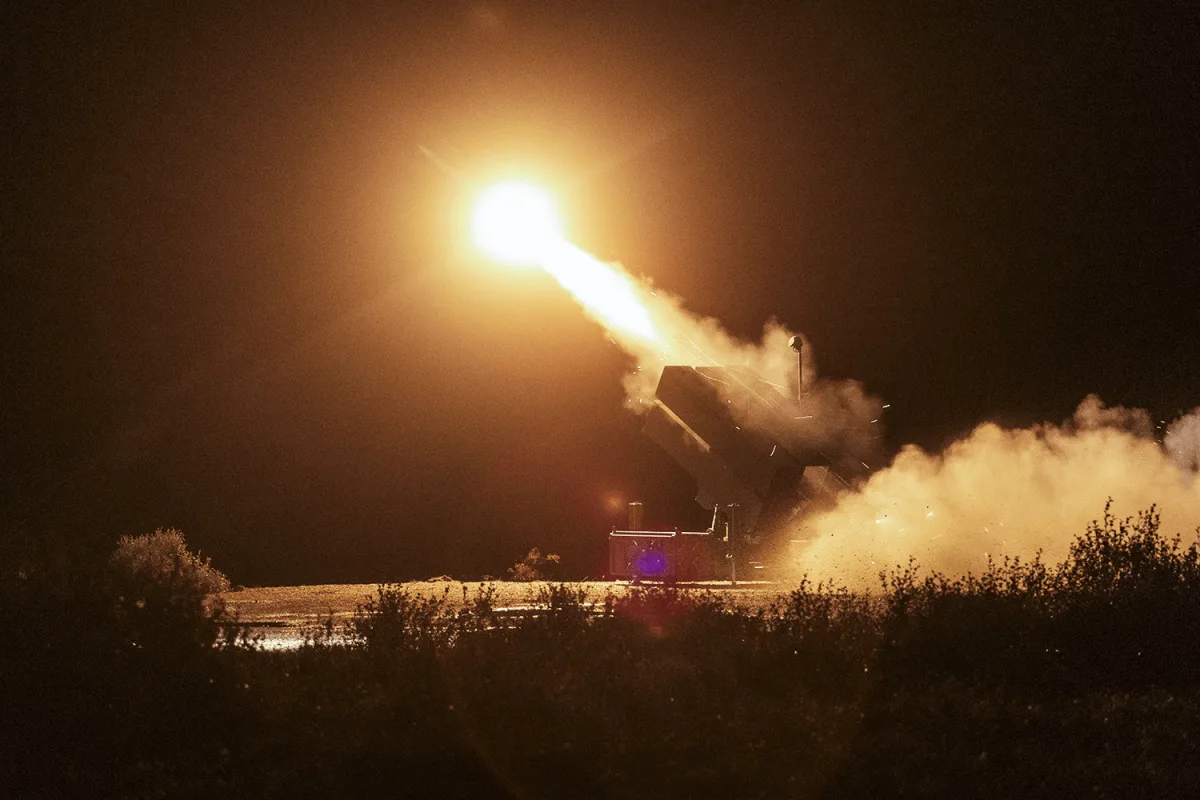

In the context of NATO's recent decision to increase defense spending to 5% of GDP by 2035, Italy is preparing to face new challenges and opportunities in the security and defense sector. This decision follows the approval in The Hague by the 32 NATO member countries, with the aim of enhancing defensive capabilities in response to growing global threats, particularly the one posed by Russia.
Italy, like other NATO members, will have to progressively increase its defense spending, moving from the current 2% to 3.5% of GDP by 2035. The expected annual increase is between 2 and 3 billion euros, mainly allocated to the purchase of advanced military equipment, the training of armed forces, and the modernization of strategic infrastructures.
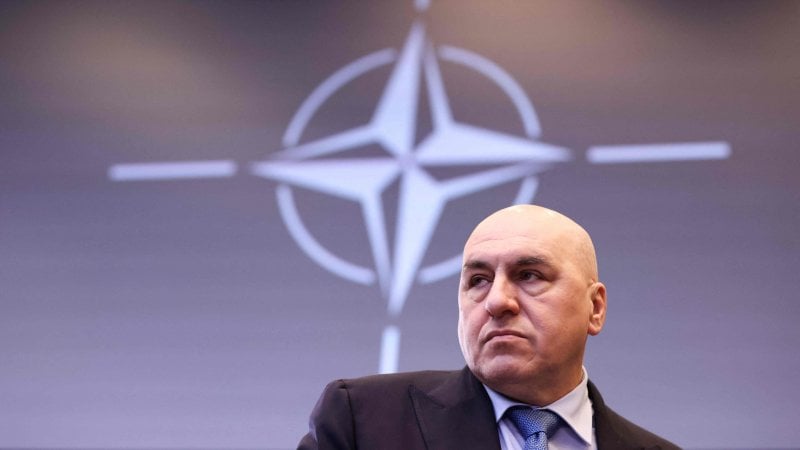
Distinction between defense and security: A goal to achieve
Defense spending and security spending are two distinct items, but both are essential to ensure the protection of the country. While 3.5% of GDP will be allocated to strengthening the military component, the remaining 1.5% will concern security investments, a sector that includes critical infrastructures, cybersecurity, and other strategic aspects such as civil protection forces and emergency response systems. The dual approach, which involves the use of shared technologies and resources, aims to strengthen the country's resilience, making security an integrated goal between the civil and military sectors.
The challenges for Italy: Strategic Defense sectors
Italy is in a favorable position in the domains under the responsibility of the Navy and the Air Force, which are at the forefront in Europe. However, the land component of the Italian Army presents some critical issues that require urgent enhancement. Among the priorities to be addressed are:
- Armored and artillery component: Need to update and enhance tanks, artillery, and ammunition to face modern warfare scenarios.
- Air and missile defense: Acquiring advanced capabilities in air and missile defense is essential to protect the territory and strategic infrastructures.
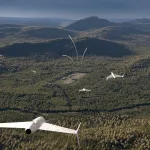
- Drone component: The use of drones, both aerial and terrestrial, for rapid surveillance and intervention operations is crucial.
- Electromagnetic spectrum and cybersecurity: Enhancing capabilities in the electromagnetic spectrum domain and protection against cyber threats have become indispensable elements in modern defense.
- Personnel training: The training of the armed forces, which has faced limitations in past years, must be enhanced to ensure an efficient and prepared military force.
- Strengthening and renewal of personnel: The Armed Forces need a higher number of personnel in the face of symmetric threats (against Nations with significant Military systems). Moreover, "renewal" represents a challenge to be addressed with the support of all State components.

The technological future: Space, artificial intelligence, and cyber domains
In addition to traditional sectors, Italy will have to face the challenges posed by new technologies, such as artificial intelligence, space and cyber systems. The protection of space, both in terms of satellite communications and surveillance, represents a new frontier for national security. Artificial intelligence, in particular, is set to revolutionize the way military operations are managed, improving surveillance effectiveness and rapid response capability.
The Italian military industry has strong growth potential, with collaborations underway with allied countries such as France, the United Kingdom, and Germany. Projects like the Panther KF-51 tank and the research program for the new Global Combat Air Programme (GCAP) combat aircraft demonstrate the ability of the Italian industry to significantly contribute to future joint defensive capabilities within NATO and the EU.
With the ReArm Europe plan, which envisages the integration of European defensive capabilities, Italy will not only have to continue strengthening its alliances but also ensure that allocated resources are used effectively to not fall behind other European powers.

Conclusions
The increase in defense spending, planned for the next decade, represents a challenge but also an opportunity for Italy to consolidate its security and update its armed forces to modern threats. With a vision oriented towards technological innovation and strengthening defensive capabilities, Italy will be able to face new global challenges and maintain its role as a key player within NATO and the European Union.
The upcoming political decisions and investment plans will be crucial in determining the sustainability and effectiveness of this ambitious goal.



Comments
No comments yet. Be the first!