


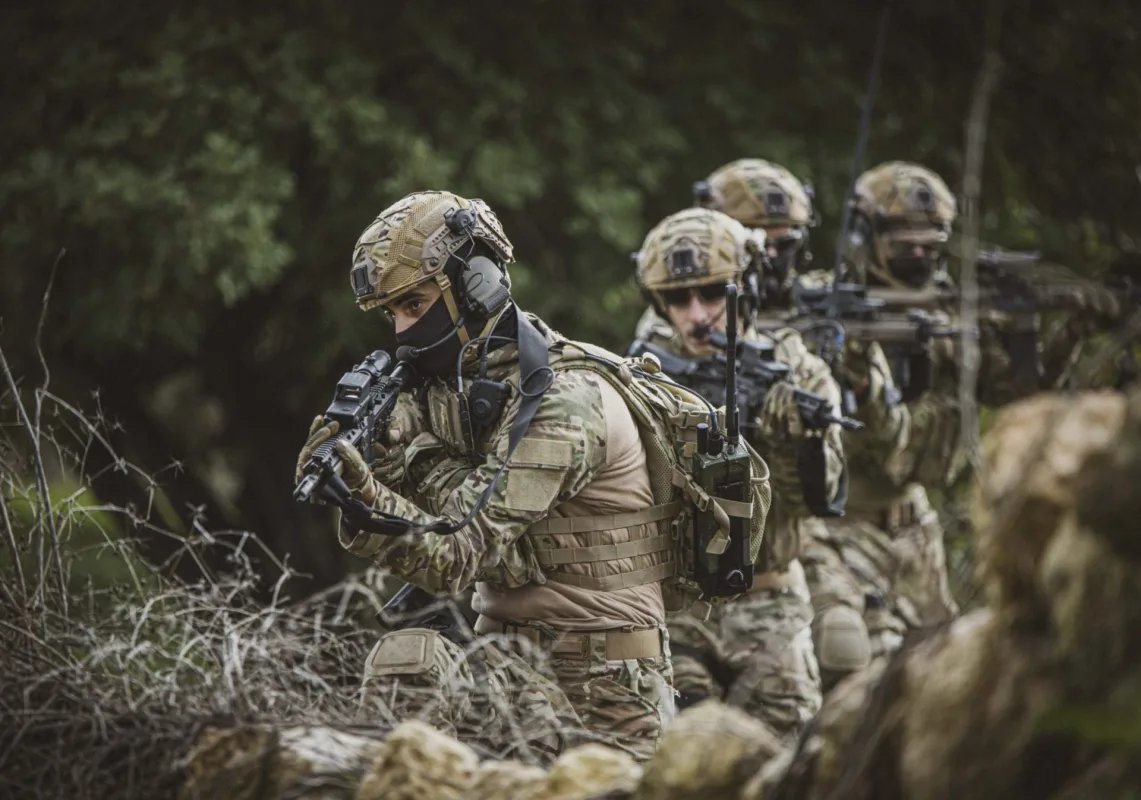

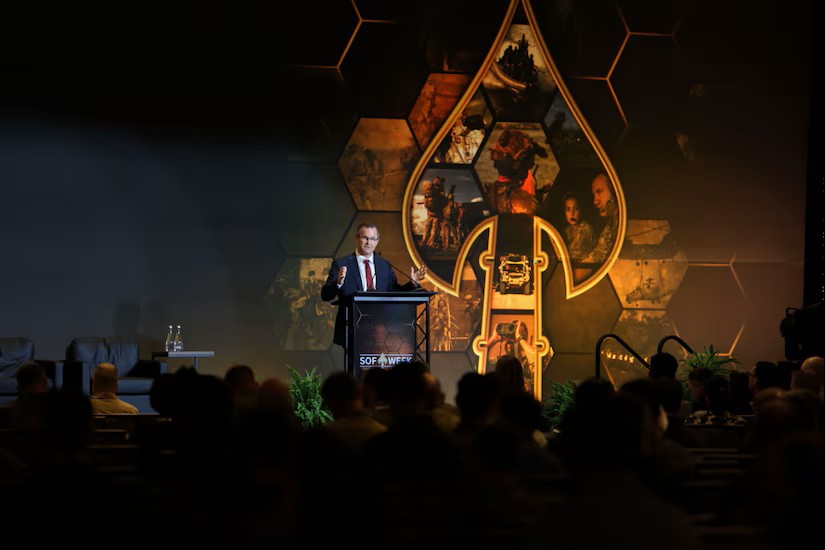
During the Special Operations Forces (SOF) Week 2025 in Tampa, Florida, Colby Jenkins, the Assistant Secretary of Defense for Special Operations and Low-Intensity Conflict, outlined the key priorities for the future of U.S. special operations. His remarks emphasized the need for adaptive and decisive action to maintain the United States' strategic advantage in an increasingly complex and contested global security environment.
Addressing Future Threats
Jenkins began by highlighting the changing nature of global threats, noting that adversaries are connecting across regions and increasingly blurring the lines between peace and conflict. "We don't need another threat briefing; we need action—focused and relentless," Jenkins declared. This call to action was echoed by Secretary of Defense Pete Hegseth, who opened SOF Week with remarks focused on homeland defense, deterring Chinese aggression, and shifting operational burdens to allies and partners. Jenkins stated that Special Forces (SOF) play a crucial role in ensuring a persistent presence, asymmetric advantage, and strategic effects on these three priorities.

The Five Priorities for the Future of SOF
To align SOF capabilities with evolving strategic needs, Jenkins outlined five main priorities:
- Designing the Force of the Future
The first priority involves transitioning from static formations, optimized for crisis response and counterterrorism, to "adaptable, customizable, and multi-domain SOF formations" designed to prevail in high-intensity conflicts. These units are designed to enable faster decision-making and more efficient execution of operations. Jenkins emphasized that the future of SOF will be characterized by smaller teams, smarter systems, and tougher targets. "The future of SOF is relentless," Jenkins said. - Maximizing SOF Personnel Performance and Resilience
SOF personnel will need to be agile, resilient, and capable of thriving in isolated and high-pressure environments. Jenkins stressed the need to modernize and expand current standards without sacrificing the warrior ethos that defines SOF. The goal is to build a force where human performance remains a critical advantage over adversaries, ensuring operators can effectively leverage advanced technologies in dynamic combat scenarios. - Ensuring Training and Preparation Meet Future Needs
The battlefield of the future will be more complex, contested, and ambiguous. Jenkins stated that future SOF will need to integrate with cyber warfare and electronic warfare, operating alongside allies and indigenous forces in irregular warfare scenarios. Traditional training models, which have primarily focused on physical skills and kinetic action, will no longer suffice. SOF training must evolve to address the challenges of the modern threat environment. - Aligning Capability Development with Strategic Priorities
Jenkins emphasized that innovation must be targeted. Rather than chasing innovation for its own sake, the focus must be on developing capabilities that allow SOF to impose costs, create dilemmas, and deny advantages to adversaries. He highlighted the importance of leveraging artificial intelligence (AI) to accelerate the development of decisive advantages. Innovation should be aligned with strategic needs, particularly in the field of asymmetric warfare and rapid decision-making. - Strengthening Resource Oversight and Institutionalizing Accountability
With increasing operational demands and limited budgets, Jenkins highlighted the importance of efficient resource management. He stressed that resources are the foundation of readiness, resilience, and victory. Every dollar spent must strengthen readiness, enhance capabilities, or increase strategic leverage. Jenkins also called for divesting unnecessary resources, platforms, and operations to ensure funds are not wasted on bureaucracy but directed towards warfighting advantage.
Building a Collaborative Future
Concluding his remarks, Jenkins called on the SOF community, industry, and government partners to contribute to shaping the future of special operations. He emphasized that winning future conflicts will require new ways of thinking, decisive actions, and close collaboration. "This is our moment to forge the future of special operations," Jenkins declared, outlining a vision where small teams have a strategic impact, where resilience, adaptability, and speed are key to success.
Jenkins' remarks underscored a pivotal moment for SOF, highlighting that future victories will not come from maintaining the status quo, but from embracing innovation, building adaptability, and leveraging the strengths of both personnel and technology. With a focus on rapid and high-impact operations, the future of special operations will be defined by flexibility, speed, and the strategic vision needed to navigate an increasingly complex global security landscape.



Comments
No comments yet. Be the first!