


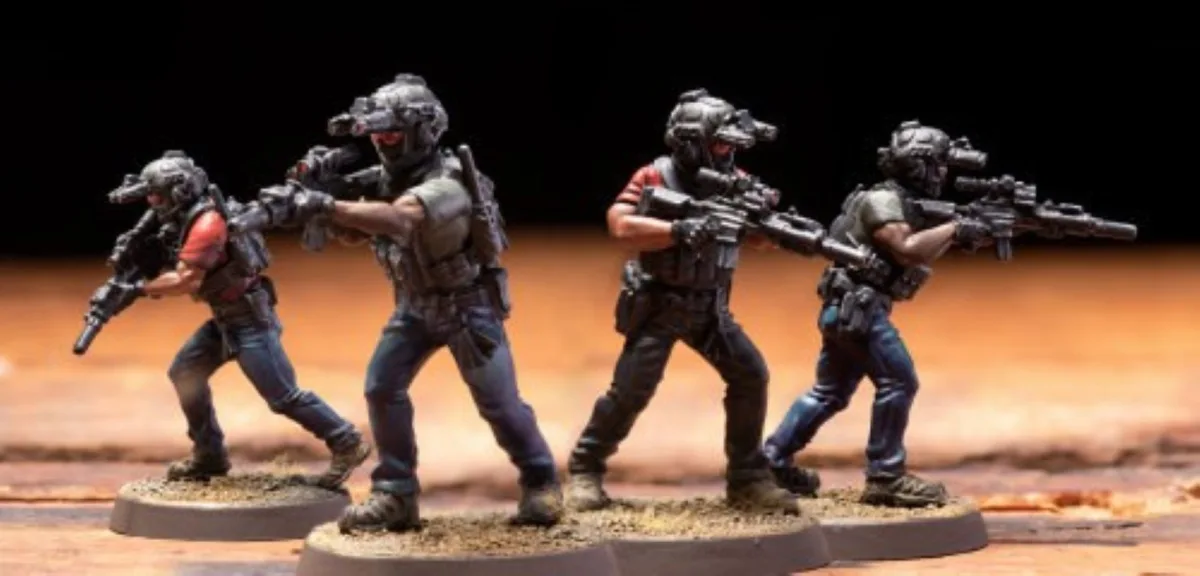

Between a simple board game and the complex decision-making dynamics that characterize the General Staff of an armed force or a government crisis cabinet, there seems to be a chasm. However, the event organized by the Centro Alti Studi per la Difesa (Casd) on June 30, 2025, at Palazzo Salviati demonstrated how that “game” can prove to be a formidable tool for leadership training and strategic crisis management.
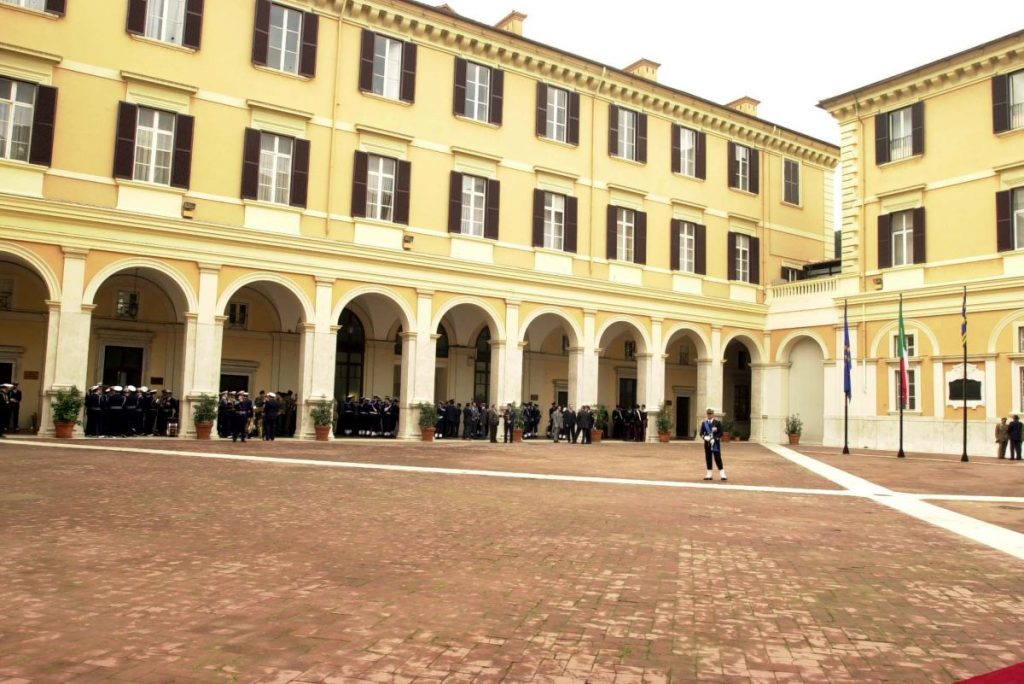
The focal point of the day was the presentation of the book “Wargame. Training, Development, and Leadership in Military Organizations”, written by Andrea Bernardi and Carolina Buffagnotti. The volume delves into the role of wargames in enhancing command, decision-making, and cooperation skills in highly complex contexts, where uncertainty and interdependence among actors require critical thinking and systemic vision.
The wargame, far from being a mere recreational exercise, is configured as a true decision-making laboratory. Born with the Prussian Kriegsspiel in the 19th century and perfected by Georg von Reisswitz, wargaming has become over time a learning environment where decisions are simulated, analyzed, and discussed, with the aim of forming a more aware leadership ready to face real chaos.
Leadership, Complexity, and Strategic Culture
The debate at Casd highlighted how the wargame is today a tool as rigorous as it is creative. Depending on the objective, it can take different forms: from the training wargame, useful for developing cross-cutting skills and accustoming participants to uncertainty, to the analytical wargame, used to test operational concepts and doctrines, to matrix games and seminar wargames, more oriented towards collective reflection on complex and future scenarios.
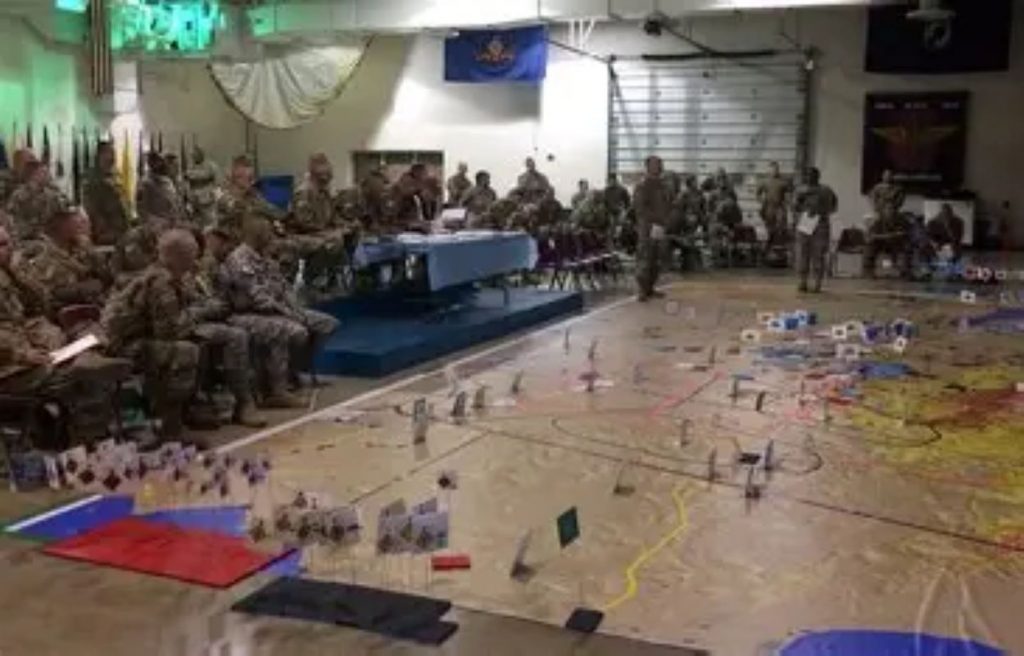
This versatility makes it applicable well beyond the military sphere. Its logic is now an integral part of training processes in the civilian world: from public administration to large companies, to the healthcare sector. The Business Strategy Games, born in the United States in the 1950s and inspired by the models of the US Navy War College, are clear evidence of this.
In the Italian context, the Armed Forces are bridging the cultural and operational gap with Anglo-Saxon countries. In addition to the Scuola di Applicazione in Turin and the Istituto di Studi Marittimi in Venice, the Casd has established the Defense Wargaming Laboratory, launching research projects, educational experiments, and joint activities to root the culture of wargaming in our training system. This effort follows the trail of an international trend that sees simulation as a key tool of contemporary military training.
In an era dominated by algorithms and Artificial Intelligence, wargaming brings the human dimension of thought back to the center. Its strength lies precisely in putting into play – it is the case to say – capabilities that the machine still cannot replicate: intuition, empathy, creativity, negotiation. A precious antidote against uncritical delegation to technology.
Experiences, Simulations, and Perspectives
In the afternoon of the day at Casd, there was room for practice: several professional wargames developed by analysts and experts and employed in high-level institutional contexts, from NATO to the United Nations, were presented. The simulations covered concrete and multidimensional scenarios: urban emergencies, government decision-making processes, dynamics of international competition and cooperation.
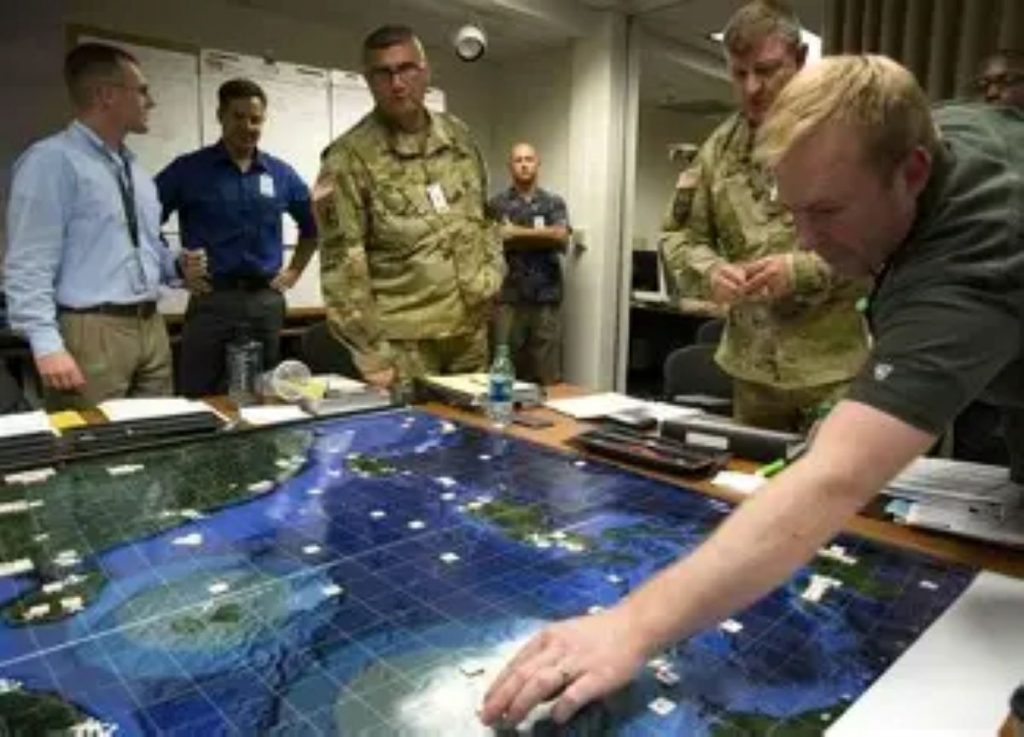
These experiences show how even simulated decisions can generate real learning. Each player – whether representing a political decision-maker, a military officer, or an institutional actor – is required to interpret roles, analyze constraints and consequences, build coherent strategies. Not only operational solutions emerge, but also insights to improve the very process by which a decision is made.
The wargame does not limit itself to predicting scenarios, but stimulates critical thinking, anticipates developments, and elaborates creative and timely responses. As Andrea Bernardi highlighted, investing in wargaming means investing in the ability to understand and govern complexity, rather than being subjected to it.
With the event on June 30, Casd reiterated the importance of the wargame as a tool for the national system. Not a mere intellectual exercise, but a concrete platform for the development of leadership and strategic innovation. And the signals gathered are clear: this time, the game is truly serious.



Comments
No comments yet. Be the first!