


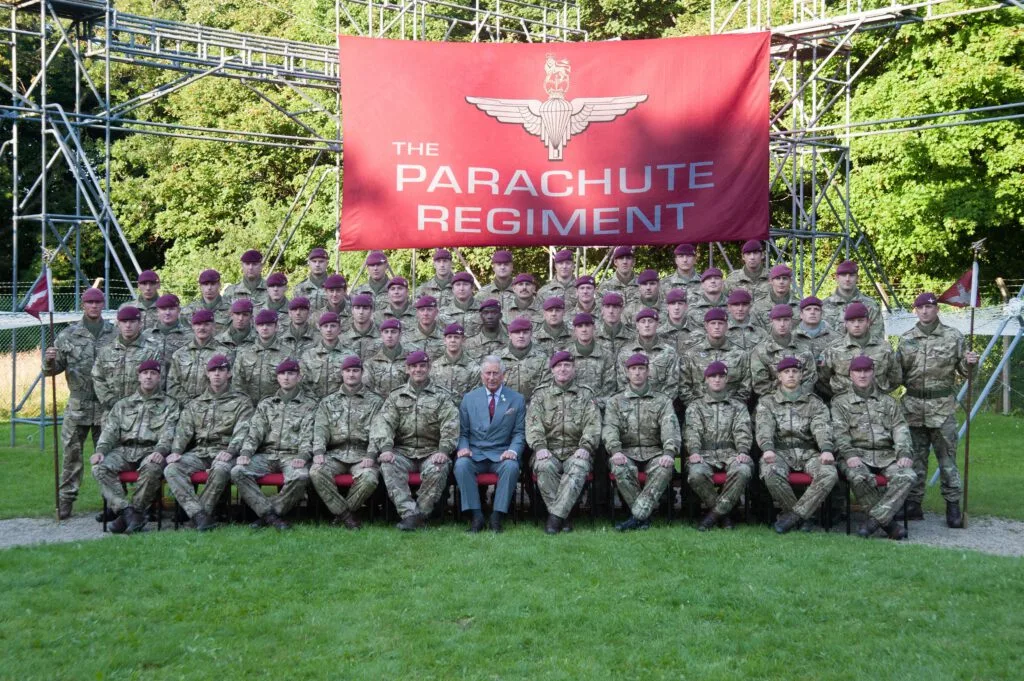

The historic Parachute Regiment of the British Army, also known as "Paras", is in a severe personnel crisis. The UK Ministry of Defence has offered £7,500 (approximately €8,800) to soldiers from other infantry units to join the Parachute Regiment. The "offer", if it can be called that, is unprecedented and was notified to personnel with an internal document seen by the DailyMail.
The document states that the scheme has been implemented to fill the workforce deficit of the Parachute Regiment with a "one-time incentive". The UK Ministry of Defence has refused to publicly disclose how many troops the Parachute Regiment needs or if such a method has been used in the past to "incentivize" recruitment in elite units.
Composed of 4 battalions, along with the Folgore, it is among the oldest large units of Military Paratroopers in the world. Founded between 1940 and 1942, it is deployed across 4 battalions:
- 1st Battalion - St Athan (special forces)
- 2nd Battalion - Colchester
- 3rd Battalion - Colchester
- 4th Battalion - Pudsey
The 1st Battalion is permanently in the Special Forces Support Group, under the operational command of the British special forces. The other three battalions are part of the airborne component of the British Army's rapid reaction unit, the 16 Air Assault Brigade. They are the antechamber of the SAS, somewhat like the 186th and 187th Folgore Regiment were for the 9th Col Moschin Regiment until the late 1990s.
The shortage of paratroopers is also felt in the special forces units, as the Parachute Regiment provides the largest number of soldiers to the Special Air Service and the Special Forces Support Group.
The situation has raised concern in the United Kingdom, a country historically close to its soldiers and armed forces. Former Defence Minister Mark Francois has blamed the private contractor company Capita for the personnel crisis of the "Paras", accusing it of recruiting, for private uses (a legal practice in the UK), personnel from the best regiments of the British Army, primarily Paratroopers.
The issue brings back into focus the recruitment problems in the armies of Western countries, a problem that also affects Italy, and the possible solutions to address the lack of soldiers, including the return to mandatory conscription, as discussed in this article.
It should be remembered that England was the first NATO country to abolish mandatory military service as early as 1963, focusing on creating an all-professional army. The British armed forces are facing a completely new and probably unexpected scenario.






Comments
No comments yet. Be the first!