




Rome – Farewell to the illusion of short, bloodless wars decided solely by technological superiority. The future of Western and national defense relies on an essential combination: industrial capabilities, logistical resilience, and, above all, the regeneration of the human factor. This is the strong message delivered by General of the Army Corps Giovanni Maria Iannucci, Commander of the Joint Operational Command (COVI), during the fifth edition of the Forum Machiavelli Defense held today in Rome.
Analyzing the lessons learned from contemporary conflicts, from Ukraine to the Middle East, the General outlined a realistic and challenging picture for the Defense sector, highlighting how innovation must necessarily go hand in hand with quantity and determination.
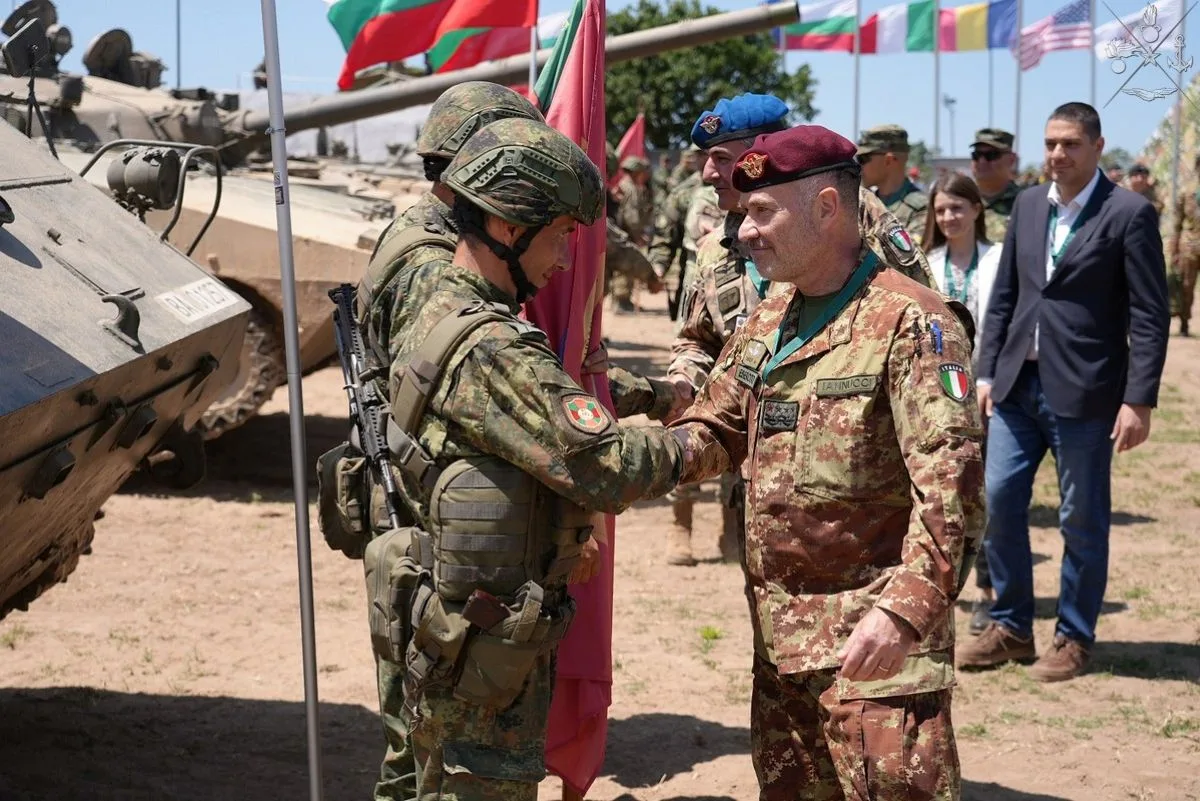
The centrality and "regeneration" of the human factor
No war effort is sustainable without a continuous turnover of trained personnel. Recalling the dizzying attrition rates seen in the early years of the Russo-Ukrainian war, where the operational effectiveness of a unit can be exhausted in a few weeks, Iannucci emphasized the vital need for effective reserve systems.
"Think about the number of reservists Israel had to call up. We are talking about a figure very close to half a million people. We cannot afford not to have a system for generating and regenerating the human factor."
The construction of a credible reserve, however, has a strong impact on the real life of a country (from the economy to education) and represents a crucial political decision. For a reserve model to work, the General specified, "will, cohesion, and awareness" are indispensable.
Beyond the myth of absolute technology
Field experience dictates abandoning the beliefs established in the 1990s: technological and aerial superiority no longer guarantees easy victories. Modern conflicts are confirmed to be long, hard, and exhausting.
While on one hand, tactical evolution shows how relatively inexpensive technologies (such as drones used in Kiev or by the Houthis in the Red Sea) can produce global strategic effects, on the other hand, it would be a grave mistake to believe that unmanned systems can replace every other capability.
Iannucci indeed recalled the enduring validity of conventional means:
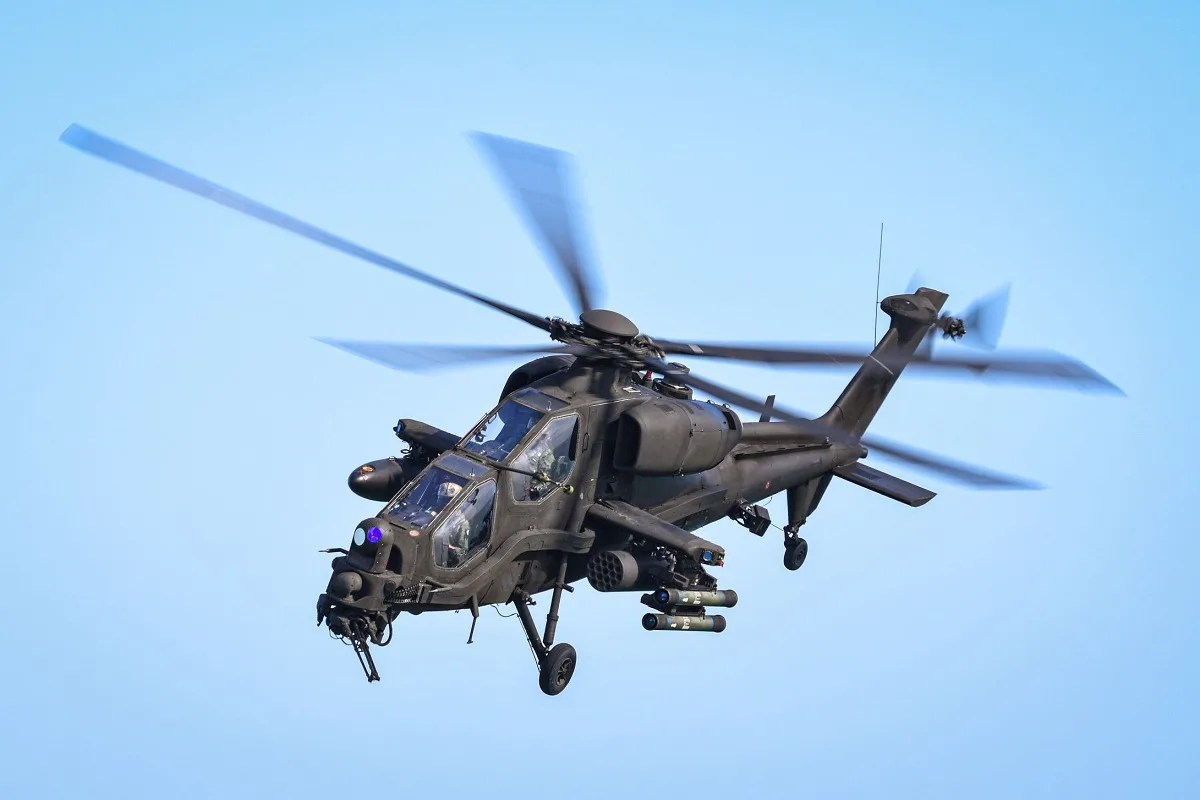
- The attack helicopter: remains one of the most effective operational tools in many contexts.
- The tank: although it must evolve to respond to new threats, it remains an indispensable capability on the field.
Operational effectiveness, therefore, is not given by the clash "technology versus quantity," but by their total integration.
Logistics: the true balance point
Another often underestimated but historically decisive element is the sustainability of operations. "Many wars have not been lost on the battlefield, but due to the inability of logistics to sustain the war effort", warned Iannucci. Innovation must therefore be supported by the constant availability of means, ammunition, and supplies capable of sustaining prolonged campaigns over time.
Cognitive warfare and national will
In conclusion, the COVI Commander touched on the deeper dimension of modern conflicts: the information war. The true strategic center of gravity of nations under attack, like Israel or Ukraine, lies in the determination of their population.
Our adversaries are aware that democracies rely on citizen consent, and they will aim to undermine precisely the popular will to support governments. The most advanced technology and the best industrial resources, General Iannucci concluded, risk proving completely insufficient if deprived of the key element: "The will to fight and defend one's values remains the fundamental element of a nation's defense".



Comments (1)