




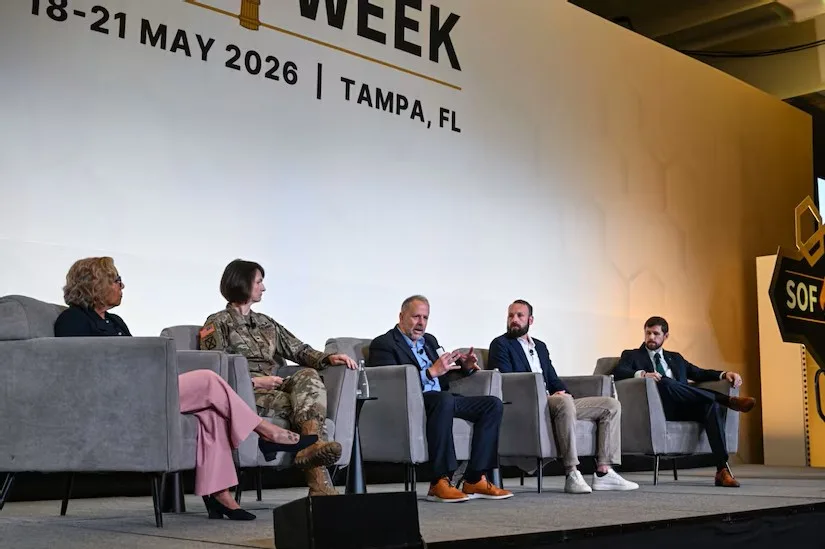
The first and most famous truth of the Special Operations Forces (SOF) states: "Humans are more important than hardware". A principle that emerged strongly during the Special Operations Forces Week 2026 in Tampa, Florida, but today can no longer be considered an exclusive prerogative of elite forces.
In an increasingly fluid and technologically advanced geopolitical context, the management of military personnel requires a paradigm shift: the methodology of Human Performance Optimization must become the standard for all Defense personnel.
Early Prevention: Managing "Snowballs," Not Avalanches
One of the central issues that emerged in the debate among U.S. experts – including SOCOM psychologist Colonel Amanda Robbins – concerns the need to intercept cognitive, psychological, and physical discomforts before they turn into a degradation of professional performance.
Colonel Robbins used an effective metaphor, speaking of the importance of "dealing with snowballs rather than avalanches". Timely intervention makes support quicker, more effective, and less impactful on operational readiness.
The key principle: This prevention logic is not only applicable to those operating in high-risk contexts, but is vital for the entire military organization. From logistics personnel to cyber specialists, from command staff to maintenance technicians, every piece of the military instrument benefits from proactive monitoring of psychophysical health.
Technology and Artificial Intelligence Supporting Personnel
The future of this methodology lies in the ability to collect and analyze data to anticipate critical issues. As highlighted by Major General (retired) Clayton M. Hutmacher, the next steps will see the use of common databases and Artificial Intelligence to identify trends and best practices, while strictly protecting patient privacy.
The extension of these monitoring platforms at the joint forces level would allow:
- Early identification of signs of burnout or prolonged combat stress.
- Sharing standardized recovery protocols among different sectors of the General Staff.
- Optimizing personnel deployment and rest cycles based on objective data.

Overcoming Stigma Through Organizational Culture
A common obstacle in all Defense sectors is the tendency of personnel to hide their problems for fear of being judged unfit or facing career limitations.
The answer to this challenge lies in education and the creation of a solid organizational culture. Taking care of one's mental and physical health should not be perceived as a sign of weakness, but as a responsibility towards the unit and the institution.
The Central Role of the Family
The data presented in Tampa (derived from a Veterans Administration study) shows that over 75% of personnel are encouraged to seek support if aware of the benefits for their family sphere. Integrating family units into Defense welfare and support programs – as reiterated by Amy Elizardo, consultant to the U.S. Joint Command – is key to ensuring the emotional stability of the military and, consequently, the overall retention rate of the force.
Conclusions: A More Resilient Defense
Investing in human performance optimization does not mean just training "super soldiers," but structuring a modern organization where every individual is valued and protected. Extending this methodology to all Defense personnel represents an indispensable strategic investment to increase resilience, operational efficiency, and the overall readiness of the military instrument.





Comments
No comments yet. Be the first!