




In the landscape of modern warfare, few innovations have had as radical an impact as the introduction of drones. These unmanned aerial vehicles, which have evolved exponentially in recent decades, have marked the beginning of a new era in military operations. Although the use of drones in the military field is now a consolidated reality, it is necessary to recognize that we are only at the beginning of a change that will substantially transform combat methods. Drone technology has gone through three distinct eras, each bringing unique challenges and opportunities. Italy, in particular, must urgently address the issue of drones and their implications, both at the military and industrial level, by reviewing the skills and responsibilities among the armed forces.
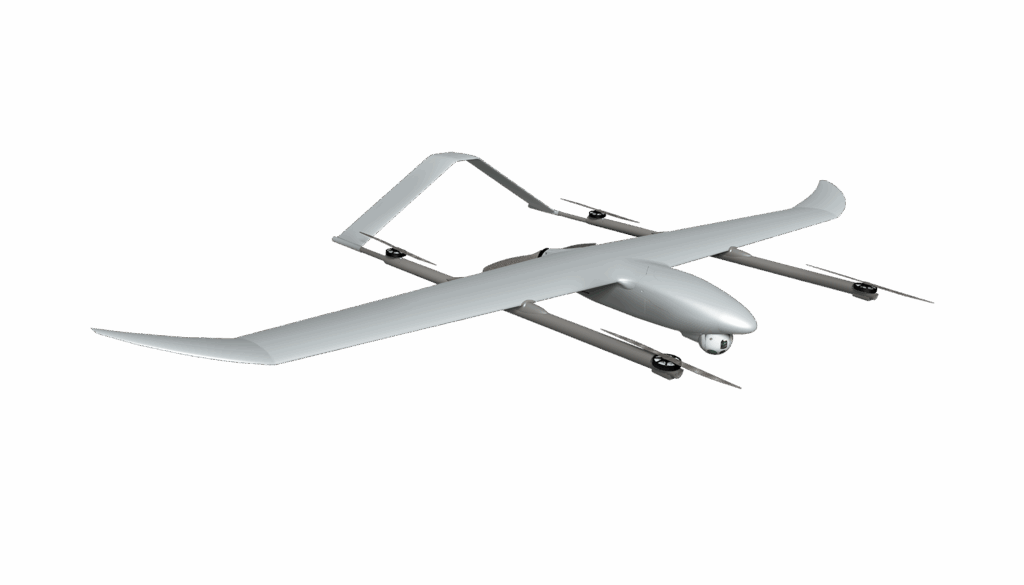
The First Era of Drones: The Beginning of the Aerial Revolution
The first era of drones was dominated by large platforms, such as the MQ-1 Predator, which were primarily used for reconnaissance and attack missions. These drones had a high range and long flight duration but were mainly used in asymmetric warfare scenarios, such as operations against terrorism in Afghanistan and Iraq. In this phase, drones were relatively expensive and sophisticated tools, managed mainly by highly specialized air forces. The introduction of these platforms marked a new era in the art of war, allowing strategic targets to be hit without risking pilots' lives.
However, despite their impact, first-era drones were vulnerable in contested air conflict scenarios. When neither force has exclusive control of the airspace, these drones become easy targets for enemy air defenses. Furthermore, their high complexity and the cost of the platforms made them limited tools and difficult to produce in large numbers.

The Second Era of Drones: Proliferation and Specialization
With the entry into the twenty-first century, a second era of drones emerged, characterized by the proliferation and miniaturization of technology. Drones became increasingly accessible, and smaller, lighter, and less expensive models began to come into play, making aerial warfare more democratic. The armed forces not only acquired drones for reconnaissance and monitoring but also for offensive use. The conflict in Syria and Libya saw massive use of small and medium-sized drones, such as the Turkish Bayraktar TB2, which had a significant impact on the battlefield.
During this second era, drones became increasingly specialized and evolved to perform precision attack tasks, surveillance, and close air support operations. Drones like the Bayraktar and loitering munition systems played a crucial role in taking down enemy targets, as well as providing vital information on opposing forces. In this phase, flight autonomy and the ability to integrate real-time intelligence became crucial elements.
The war in Ukraine marked a turning point, highlighting not only the effectiveness of lightweight drones but also the growing importance of loitering munitions, single-mission drones that remain in flight in the target area until they find their target. This phase saw the emergence of drones like the Shahed 136, which were effectively used to hit strategic targets and vital infrastructure in Ukraine, albeit with technology-related limitations.
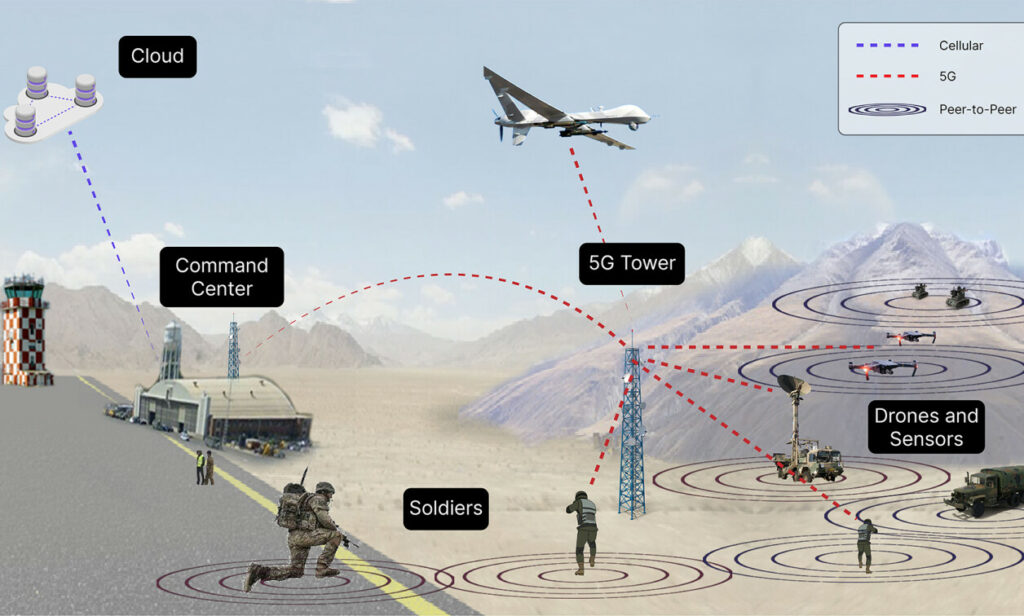
The Third Era of Drones: Artificial Intelligence and Swarm Control
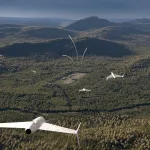
With technological evolution, we have now entered a third era of drones, where artificial intelligence (AI) and swarm control are beginning to play a prominent role. Drones are no longer simply remotely controlled platforms but are becoming autonomous, capable of operating together as coordinated swarms, able to act without direct human intervention. The use of AI in controlling drone swarms is set to revolutionize the way military operations are conducted. Each drone can be equipped with intelligence to detect, identify, and strike targets with great precision, without the need for direct human coordination in real-time.
The potential of AI in managing long-distance drones, through the use of satellite signals, will allow the armed forces to act quickly over large geographical areas. Drones, operating in swarms, will be able to cover a vast battlefield, eliminating threats, collecting data, and providing support to ground forces, all without risking human lives.
Moreover, the remote control of long-distance drones through satellite signals represents a new frontier. This approach not only offers greater autonomy but also allows deployment in contexts where direct communications would not be possible. With the potential to operate in remote areas, in complex warfare environments, or during long-term surveillance missions, artificial intelligence becomes a fundamental strategic resource.
The Need to Address the Drone Issue at a National Level: Military and Industrial
Italy faces the urgent need to address the issue of drones and loitering munitions both at the military and industrial level. The evolution of technology has highlighted a series of challenges that the country can no longer ignore. The Italian armed forces must be prepared to manage the use of drones strategically, operating autonomously and with a clear distinction of skills among the different armed forces.
Skills and Responsibilities:
Currently, the management of drones is in the hands of the Air Force, but in light of the proliferation of small drones and their increasingly frequent use by the Army and Navy, it is urgent to clearly establish the boundaries of competencies. The Air Force can no longer be solely responsible for everything that flies, particularly regarding small drones. The Army and Navy must have operational autonomy in the use of drones and loitering munitions unless they exceed certain sizes and capabilities. Establishing a clear division of competencies will ensure a faster and more efficient deployment of these technologies.
Industrial Approach:
At the industrial level, Italy must invest in advanced technologies for the development and production of drones and loitering munitions. Currently, the Italian industry lags behind countries like Turkey and Iran, which are dominating the production of military drones. It is necessary to incentivize the national industry, supporting innovation and domestic production of drones, to reduce dependence on imports. The creation of strategic alliances with other producing countries, such as Israel and the United States, could be crucial to accelerate the adoption of these technologies.
Artificial Intelligence and Satcom:
The introduction of artificial intelligence for the control of drone swarms is an issue that cannot be postponed. The Italian armed forces must immediately begin designing AI systems that can operate drone swarms autonomously, using satellite signals to ensure long-distance operations. This will not only increase the efficiency of operations but will also allow Italy to remain competitive internationally in an increasingly critical sector.
Conclusion: An Urgent and Necessary Reform
In summary, the evolution of drones and loitering munitions is accelerating, and Italy must address this reality urgently. The national approach must include not only an update of skills and responsibilities among the armed forces but also a determined commitment at the industrial level to strengthen the national capacity to develop and produce these technologies. It is imperative that Italy reviews its approach to the use of drones, establishes with certainty the competencies of each armed force, and invests in artificial intelligence and satellite technologies to ensure a strategic advantage in the next conflict. It is no longer a question of if, but when the country will have to face these challenges to remain competitive in the landscape of modern warfare.



Comments
No comments yet. Be the first!