


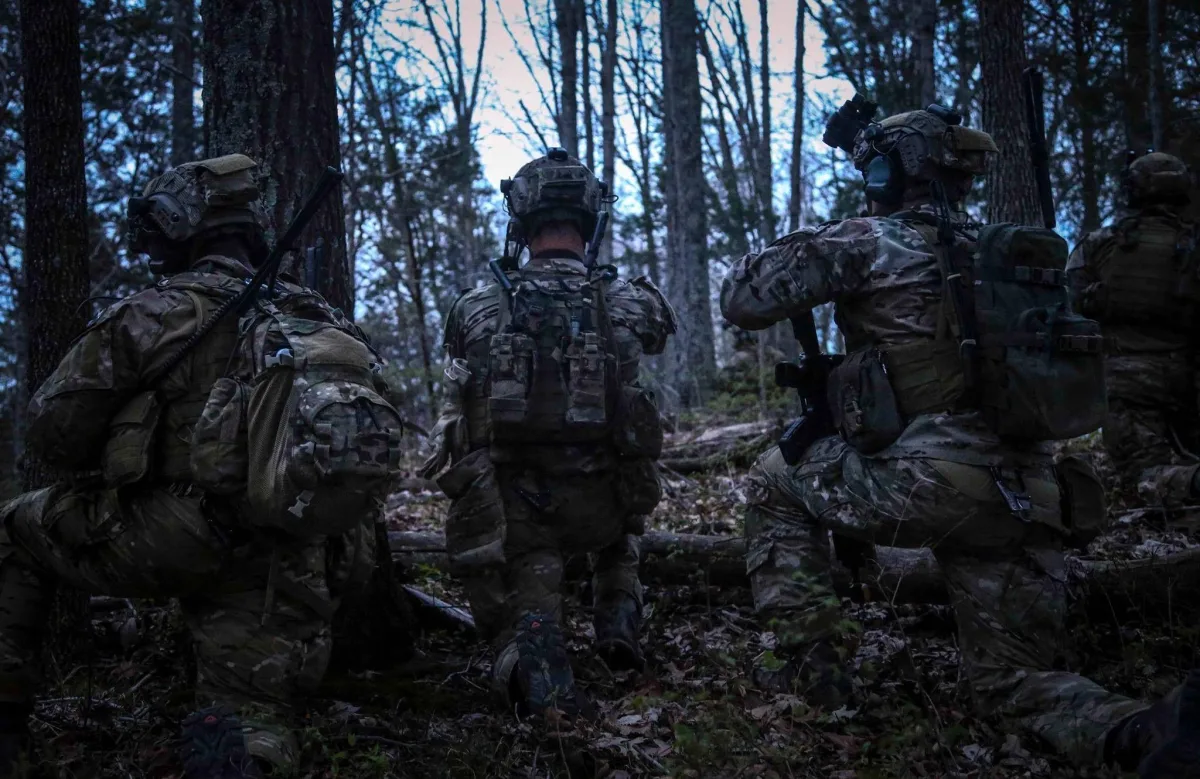

The United States special forces, although representing only 3% of the armed forces, are assuming an increasingly central role in global military strategy. These forces are present in various aspects of popular culture and, despite their small number, have become a symbol of rapid and high-risk actions. This phenomenon has fueled a heroic vision of special operations, while at the same time, they are profoundly influencing the structure of the United States armed forces.
The Special Forces Model and the Evolution of Defense
The Secretary of Defense, Pete Hegseth, and General Dan Caine, Chairman of the Joint Chiefs of Staff, have outlined a new vision for the armed forces, inspired by special operations. This model promotes smaller teams, faster equipment, and greater autonomy for forces in the field. During the Global SOF Foundation conference, both emphasized how special forces have operated like a "tech start-up", capable of innovating quickly and efficiently. This approach proves crucial in responding to emerging threats with great speed.
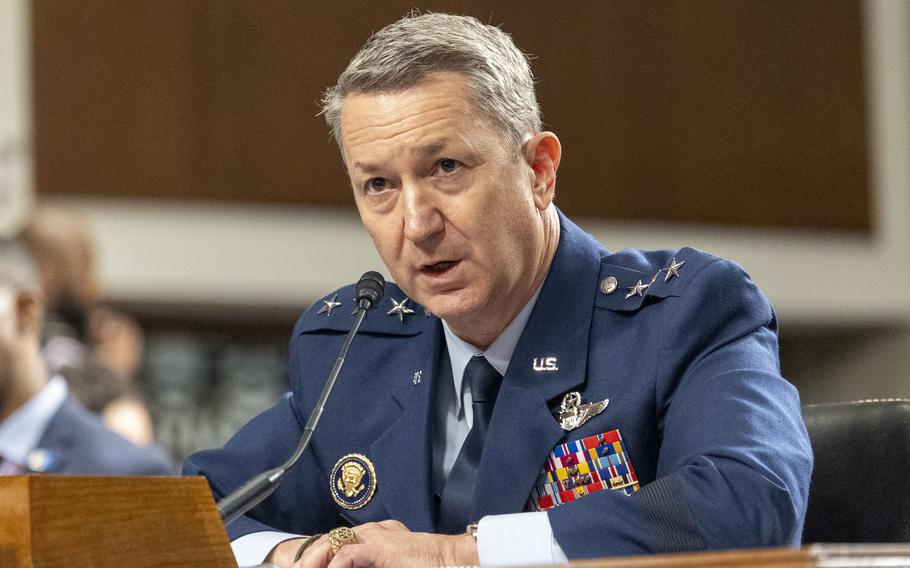
General Caine, with his long experience in special operations, highlighted the importance of personal relationships and integration between different capabilities to create an agile force ready to face emergencies. “You taught me to work like entrepreneurs,” Caine declared, highlighting the innovative mindset that is changing the United States armed forces.
A Rapid and Flexible Acquisition Model
One of the most significant aspects of the special forces model concerns the speed with which they acquire resources and equipment. Unlike conventional armed forces, which must follow a long and bureaucratic approval process, special forces adopt a more agile approach, purchasing "ready-to-use" technologies and testing them quickly in the field. This approach allows them to respond to modern threats, which evolve rapidly and unpredictably.
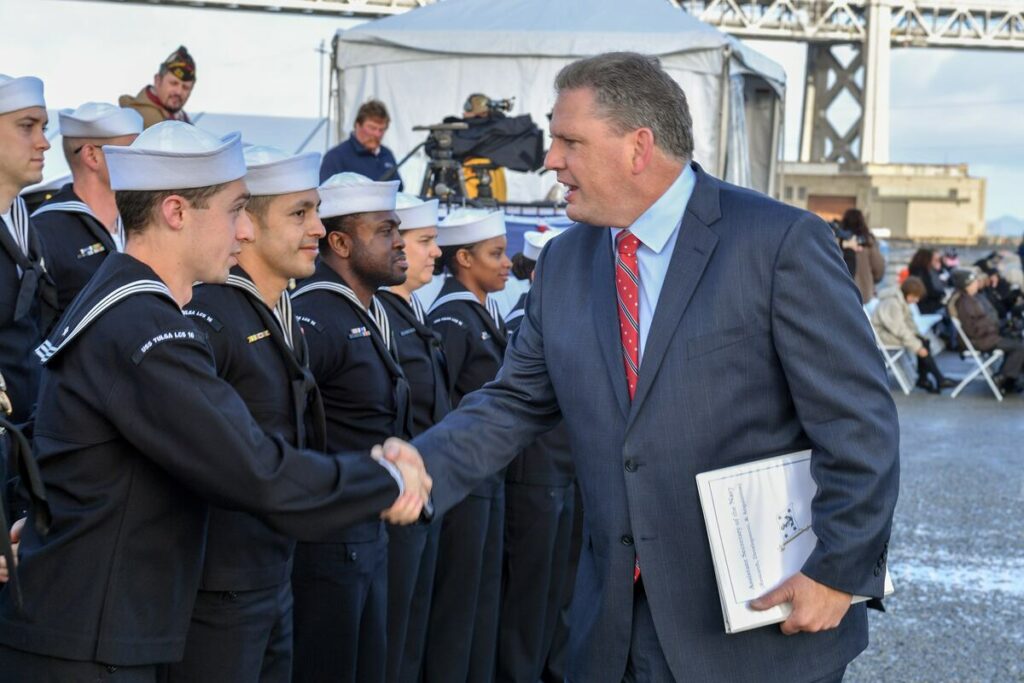
James Geurts, former head of acquisitions for SOCOM, explained that special forces purchase items in small quantities to ensure greater speed and circumvent statutory and regulatory constraints that limit conventional forces. This approach allows SOCOM (United States Special Operations Command) to promptly respond to needs, quickly adapting existing equipment, as in the case of transforming C-130 aircraft into close support aircraft.
Special forces also extensively use alternative contracts, such as OTAs (Other Transaction Authorities), which allow for greater flexibility in purchasing and implementing new technologies. This approach, which has been described as a "golden model," is seen as an ideal model for responding to the needs for innovation and speed in defense.
Special Forces as a Long-Term Solution?
Despite the evident benefits, some experts and officials warn that relying too heavily on special operations could lead to counterproductive results. The excessive use of special forces, without adequate resource support and a broader strategy, could prolong conflicts without resolving the underlying causes. Rapid and bold missions, such as those of the SEALs in Yemen in 2017 or the killing of Abu Bakr al-Baghdadi in 2019, have been celebrated, but they have not addressed the structural issues of ongoing conflicts.
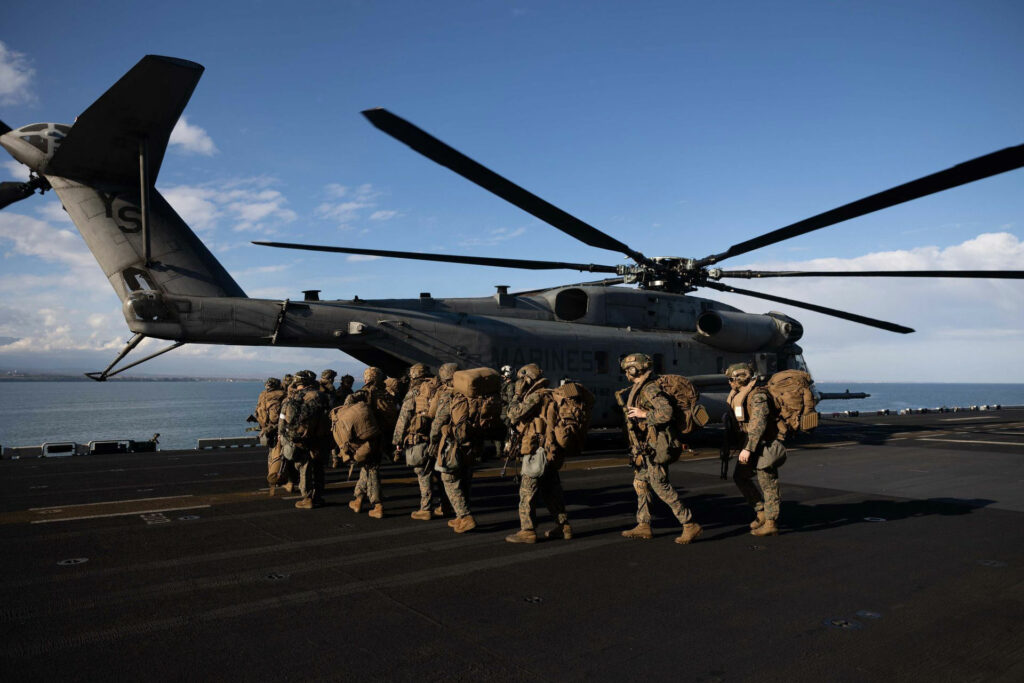
A former defense official observed: “We won all the battles in Afghanistan, but we lost the war.” This comment highlights how the use of special forces, although effective in targeted actions, is not sufficient to resolve complex conflicts that require long-term commitment.
Special Forces as a Tool of Global Diplomacy
In addition to their use in combat operations, special forces are also crucial for diplomacy and international alliances. Another strength of special operations is the ability to establish lasting ties with allied forces around the world. These ties have become essential for managing critical situations and strengthening cooperation with international partners.
General Caine emphasized how these alliances are particularly relevant in a changing geopolitical period, where special forces operations go far beyond actions on the ground and contribute to building strategic alliances, as in the case of cooperation with allies in the Middle East. The strength of special operations lies not only in the ability to execute rapid missions but also in creating lasting alliances that allow for a collective response to global threats.
Reflection on Applicability for the Italian Army
While the United States has already integrated this model into their armed forces, the Italian Army could draw significant insights from special operations in terms of adaptability, rapid acquisition, and international cooperation. In a world increasingly characterized by asymmetric threats, hybrid wars, and the emergence of non-state actors, a more agile and flexible approach could represent a strategic advantage for Italy. Furthermore, the approach of the United States special forces, which promotes innovation and the rapid use of advanced technologies, could be adopted to address similar challenges, improving operational efficiency and effectiveness.
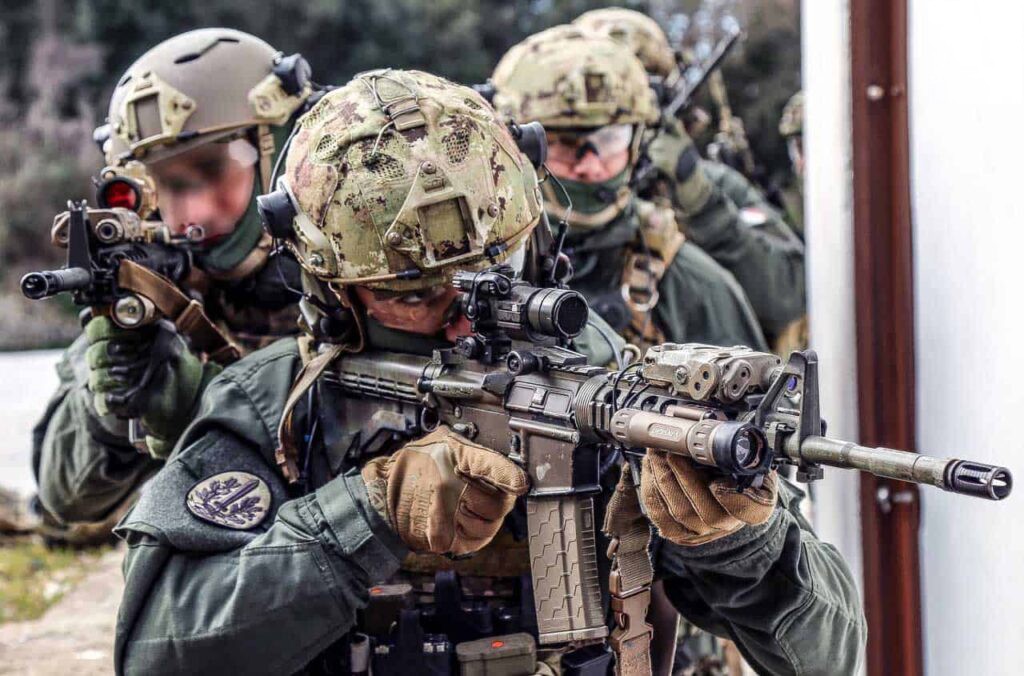
Another fundamental element for the Italian Army would be the promotion of strong international alliances, like those that the United States special forces have built over the years. Cooperation among allies, particularly within NATO and international missions, could greatly benefit from a special forces approach that promotes integration and collaboration.
Conclusions: A Necessary Balance
Special operations offer a rapid and innovative response to global threats, but they cannot be the only answer. While the agile approach of special forces is influencing the United States armed forces, it is essential to maintain a balance between the use of special forces and the adoption of long-term strategies that address the roots of conflicts. Special forces are a fundamental resource for quickly responding to crises, but without an overall change and a long-term vision, conflicts could continue without resolution. The challenge lies in integrating the effectiveness of special operations with a constant commitment to resolving the structural issues underlying conflicts.


Comments
No comments yet. Be the first!