


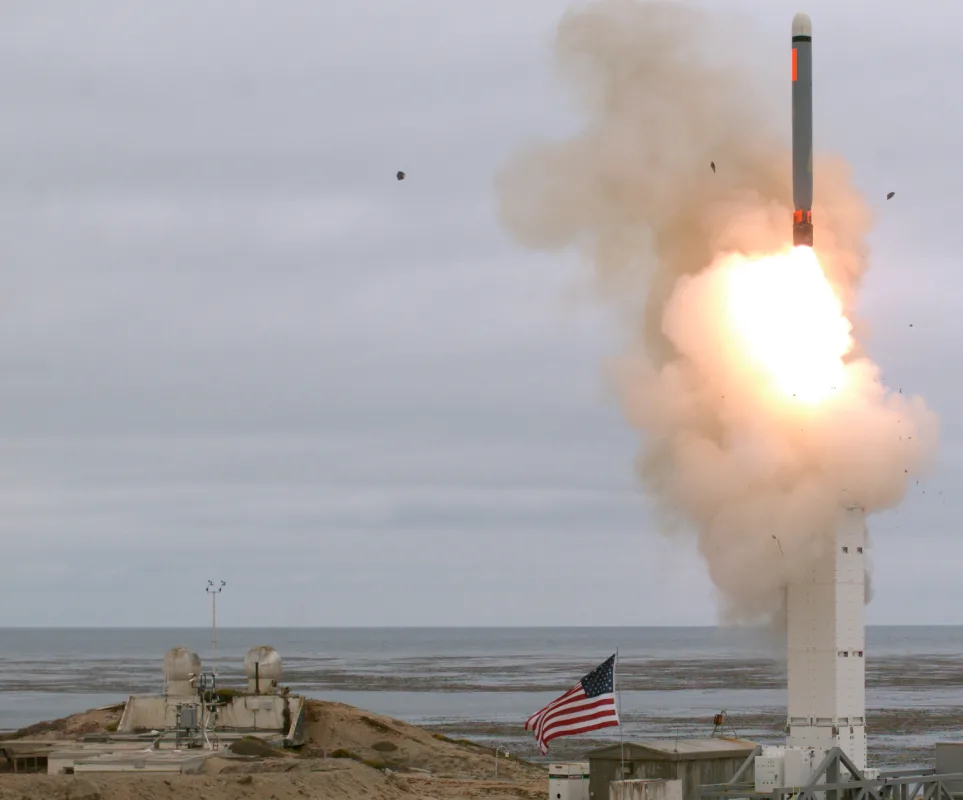

The recent cancellation of the deployment of US long-range missile systems in Germany has reopened a deep wound in the defensive posture of the Old Continent. What emerges is a structural capability gap in the Deep Precision Strike (DPS) segment, a component that analysts now consider the pillar of modern deterrence.
The end of the Biden plan
The original project, a pillar of the previous US administration, envisaged the deployment in German territory of batteries equipped with Tomahawk cruise missiles, necessary to strike strategic targets with pinpoint accuracy, and "Dark Eagle" hypersonic systems, cutting-edge vectors designed to neutralize threats beyond the 1,000-kilometer threshold.
The revision of this strategy halted a process that NATO deemed essential to secure the eastern flank. The German Defense Minister, Boris Pistorius, did not mince words, calling the decision very unfortunate and damaging to collective security.
The operational imbalance with Moscow
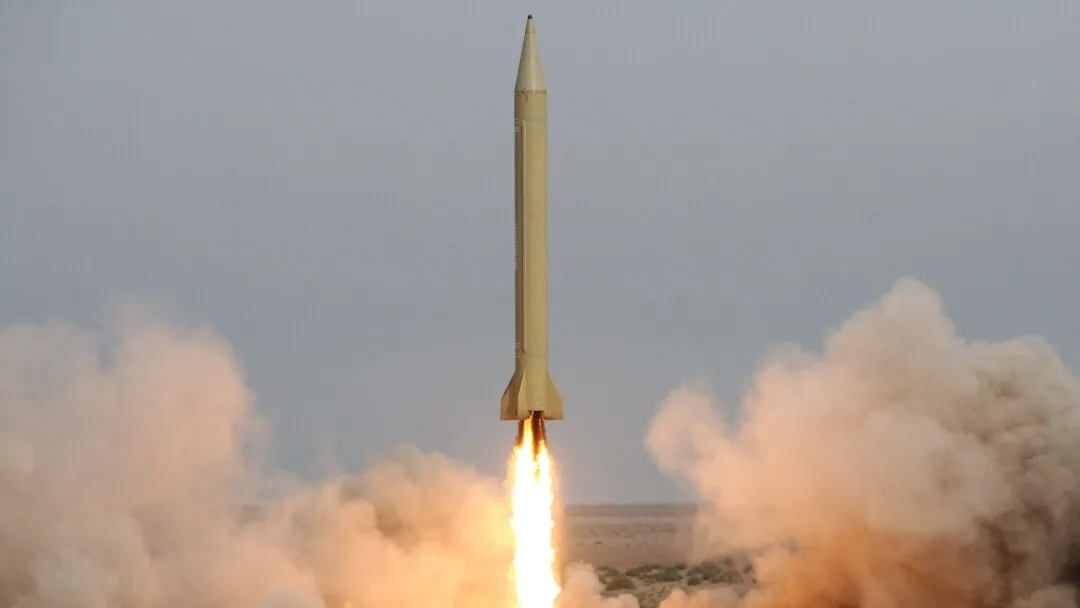
The technological and numerical confrontation with the Russian Federation highlights a worrying asymmetry. While Europe struggles to find an autonomous solution, Moscow already has a multi-role operational arsenal that includes the Kinzhal hypersonic missile, launched from aerial platforms and characterized by high speed and maneuverability, and the 9M729 system, a land-based cruise vector capable of striking strategic assets located in the heart of the NATO perimeter.
The logic of Deep Precision Strike lies in the need to hit critical infrastructures, such as drone factories, before adversary systems can be deployed en masse. Without this capability, Europe remains in a purely reactive position.
The state of the art and the ELSA program
Currently, European defense relies on fragmented solutions. Germany and Spain have the Taurus missile with a range of about 500 km, while France and the United Kingdom rely on the SCALP and Storm Shadow systems, effective but dependent on aerial vectors. Paris also integrates the Missile de Croisière Naval for the maritime component, but such assets remain numerically limited. In summary, there is a lack of autonomous and persistent large-scale land capability.
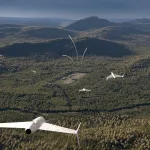
To address this emergency, the ELSA (European Long-Range Strike Approach) program was launched in 2024, involving major EU players along with the United Kingdom and Sweden. However, the road is uphill due to industrial timelines that do not foresee real operational capability before 2030, making it necessary to bridge a decade-long technological gap. In the meantime, attention shifts to intermediate solutions such as the conversion of existing systems and the integration of long-range drones. According to Mikhail Kokorich, CEO of Destinus, the success of ELSA will depend on the ability to create multiple and resilient production chains, avoiding the rigidities that have historically slowed down continental defense.



Comments
No comments yet. Be the first!