Withdrawal of U.S. Troops from Germany: A Strategic Decision?
Internazionali

Withdrawal of U.S. Troops from Germany: A Strategic Decision?

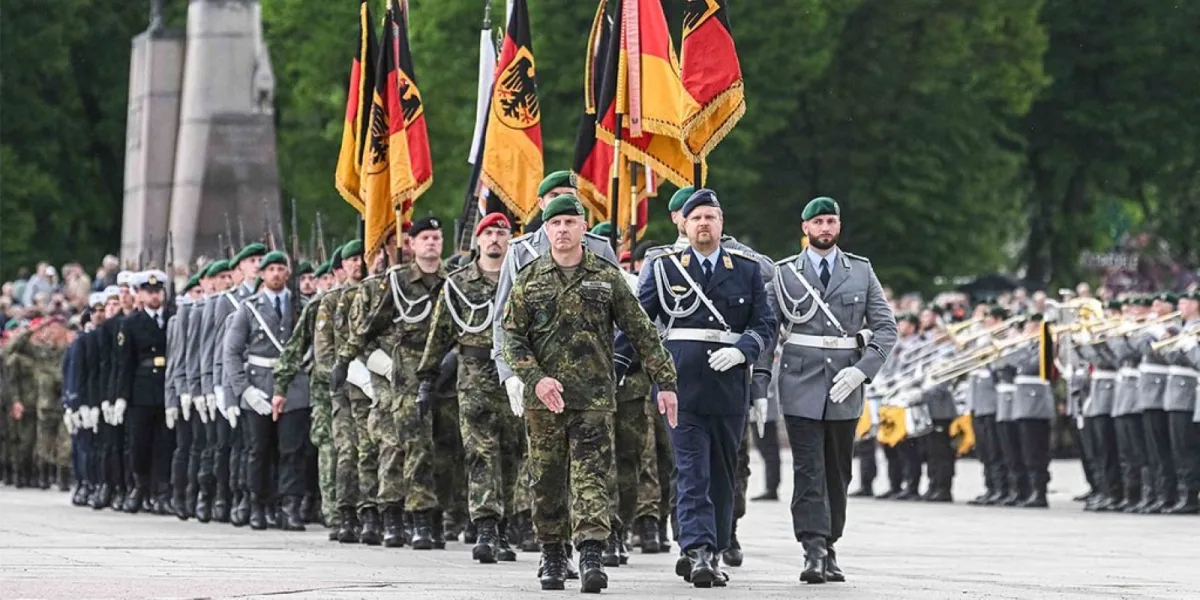
The announcement of the withdrawal of 5,000 U.S. troops from Germany has sparked a heated debate among defense experts and political analysts. This move, communicated by U.S. officials, comes in a context of rising tensions between President Donald Trump's administration and Europe, mainly due to disagreements over handling the conflict with Iran. In the following article, we will examine the strategic motivations behind this withdrawal, the possible geopolitical consequences, and the reactions of European allies.


Strategic Motivations Behind the Withdrawal

The withdrawal of U.S. troops from Germany has been presented as part of a broader reorganization of U.S. armed forces in Europe. U.S. officials have stated that this decision is in line with the global force redistribution strategy, aimed at responding more effectively to emerging threats. With a growing focus on the Indo-Pacific region and competition with China, the United States may seek to optimize its military presence to address these strategic challenges. Germany, while a key NATO ally, may no longer be considered a focal point in U.S. military posture, at least in the short term.

Geopolitical Consequences of the Withdrawal

The troop withdrawal could have significant repercussions on the stability and security of the European region. The U.S. military presence in Germany has historically been seen as a deterrent against Russian aggression and as a symbol of the United States' commitment to European security. The reduction of forces could fuel concerns among some NATO members regarding the alliance's ability to respond quickly to a crisis. Additionally, the decision could be interpreted by Moscow as a sign of weakening Western unity, potentially encouraging more assertive actions in the region.

Reactions of European Allies

The reaction of European allies, particularly Germany, has been one of concern and disappointment. Germany has expressed fear that the withdrawal could compromise coordination and cooperation within NATO. Some European leaders see this move as another sign of deteriorating transatlantic relations under the Trump administration. However, it is important to note that not everyone in Europe shares this view. Some countries might see the opportunity to strengthen their national defense capabilities, reducing dependence on the United States. Moreover, France, under the leadership of President Emmanuel Macron, has long promoted the idea of greater European strategic autonomy, and this development could stimulate further discussions in that direction. In summary, the withdrawal of U.S. troops from Germany reflects a complex interaction of strategic and political factors. While the United States seeks to adapt its global military posture to new geopolitical realities, Europe must face the challenges of an increasingly uncertain security landscape. Washington's next moves and the responses of European allies will be crucial for the future of transatlantic relations and regional security.
Condoralex

Known as Alessandro Generotti, Corporal Major, retired Paratrooper. Military Parachutist Badge no. 192806. 186th Parachute Regiment “Folgore” / 5th Parachute Battalion “El Alamein” / 13th Parachute Company “Condor”. Founder and administrator of the website BRIGATAFOLGORE.NET. Professional blogger and IT specialist. Ordinary Member of the A.N.P.D'I., Siena Section.
Comments

No comments yet. Be the first!

Leave a comment

It will not be published.

Comments are moderated before publication.

Newsletter

Stay updated

Subscribe to the BRIGATAFOLGORE.NET newsletter and receive the latest news directly in your email inbox.