


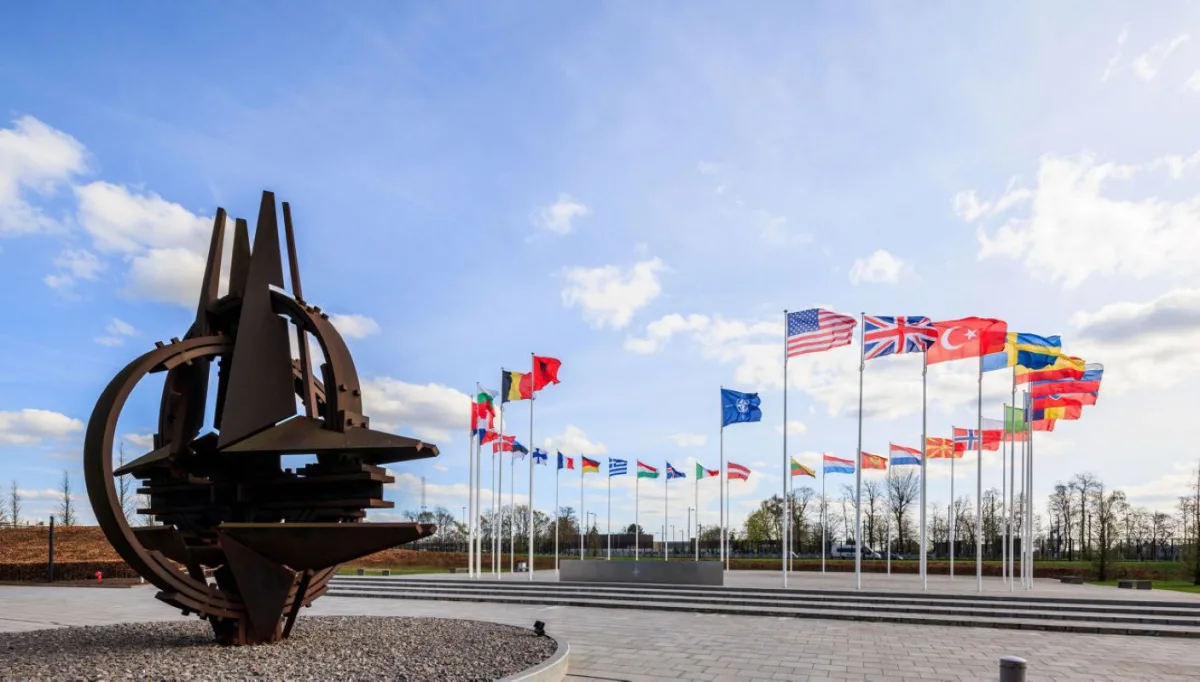

The roundtable on November 27-28, 2025, held at NATO Headquarters in Brussels with the support of the Swedish government, is part of the broader strategic framework outlined by the NATO Strategic Concept 2022, adopted at the Madrid Summit on June 29, 2022. The document defines the Alliance's priorities for the next decade, reaffirming its founding values and the main objective of collective defense, articulated through three fundamental tasks: deterrence and defense, crisis prevention and management, and cooperative security.
Within this framework, terrorism is recognized as a direct asymmetric threat to the security of citizens of allied countries and international stability. The experience gained over the past decades, starting with the attacks of September 11, 2001 – after which NATO invoked Article 5 of the Washington Treaty for the first and only time – has helped consolidate a structured and continuous approach to counter-terrorism, based on information sharing, the development of adequate capabilities, and cooperation with partners and international organizations.
In this context, the Brussels meeting represented a moment of technical deepening on a theme already recognized at the strategic level: the relationship between weak governance and transnational terrorism. Discussions focused on identifying operational methods aimed at integrating institutional strengthening policies and counter-terrorism tools, with the goal of improving the overall effectiveness of the Alliance's initiatives.
Building Integrity and Counter-Terrorism as Complementary Tools
NATO's approach to these challenges is based on the interaction between different areas of intervention. In particular, the Building Integrity (BI) program supports allies and partners in strengthening transparent, accountable, and efficient defense and security institutions, while Counter-Terrorism (CT) activities focus on threat awareness, capacity development, and international cooperation.

The roundtable aimed to foster a structured dialogue between these two communities of practice, enhancing their complementarity. In his introductory speech, Christophe Lhomme, Head of the Defense and Security Cooperation Directorate of NATO's Operations Division, highlighted how the development of integrated BI-CT capabilities is considered a relevant requirement to coherently respond to the security needs of allies and partners.
During the panels, participants analyzed the link between governance and terrorism with reference to specific sectors, including terrorism financing and border security management. These areas were examined as operational contexts in which institutional strengthening can contribute to improving crisis prevention and management, in line with the fundamental tasks of the Alliance.
A central role was attributed to the shared awareness of the threat, supported by intelligence cooperation among Allies and NATO's dedicated structures, including strategic analysis cells and the Hub for the South at NATO's Joint Force Command in Naples, focused on security dynamics from southern strategic interest regions.
Capabilities, Technologies, and Cooperation in Counter-Terrorism
In the conclusions of the work, Gabriele Cascone, Head of Counter-Terrorism of NATO's Operations Division, drew attention to the importance of a coordinated approach in addressing the challenges linking terrorism, governance, and technological innovation. In particular, the need to strengthen the integration between institutional policies and operational tools was emphasized, avoiding fragmentation in analysis and response.
In terms of capabilities and preparedness, NATO's commitment includes the development and improvement of tools to counter a wide range of threats, including improvised explosive devices (IEDs), CBRN risks, unmanned aerial systems (C-UAS), and the use of technologies such as biometrics and technical exploitation. These activities are part of a framework aimed at ensuring prevention, protection, and response capabilities, in line with the evolving security context.

In parallel, NATO continues to promote a broad network of cooperation and international engagement, collaborating with partners, the private sector, and organizations such as the United Nations, European Union, and INTERPOL. The Alliance's missions and operations, including the NATO Mission in Iraq and maritime security activities in the Mediterranean, contribute to strengthening local capacities and regional stability.
The overall coherence of counter-terrorism activities is also ensured by the role of the Special Coordinator of the NATO Secretary General for Counter-Terrorism, who serves as a reference point for aligning the Alliance's policies and initiatives.
Together, these activities reflect NATO's commitment to integrating good governance, institutional resilience, and operational capabilities, translating the guidelines of the Strategic Concept 2022 into concrete and sustainable tools to address terrorism within the framework of collective security.



Comments
No comments yet. Be the first!