


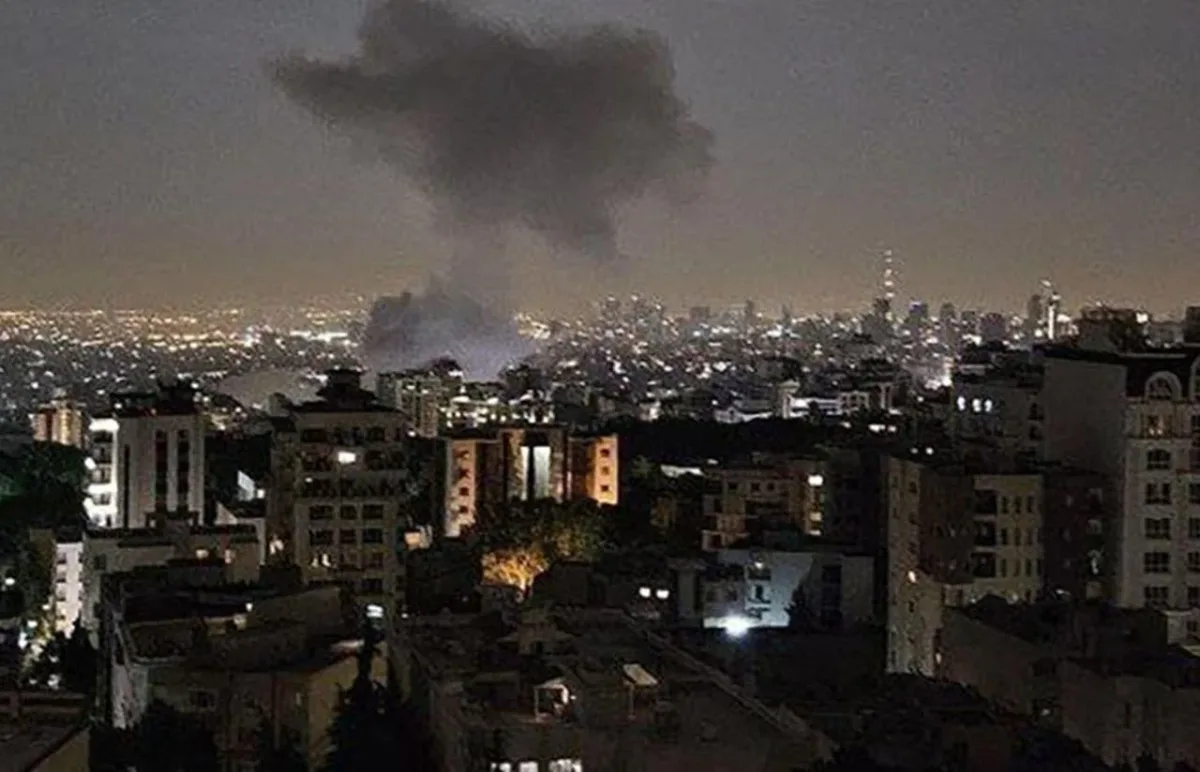

During the night between Thursday and Friday, Israel launched a series of airstrikes against strategic targets in Iran, particularly hitting nuclear facilities and military bases. The attack, described by the Israeli government as "a great success," was met with threats of direct retaliation from Tehran. With a conflict that risks escalating, international reactions and geopolitical dynamics are intensifying.
The Israeli Strike: Targets and Consequences
Israel focused its attack on Iranian nuclear sites, such as the Natanz uranium enrichment plant, and on critical military structures, including Pasdaran positions. Among the results, the deaths of high-ranking Iranian commanders, such as the head of the Revolutionary Guards, Hossein Salami, and the chief of staff Mohammad Bagheri. This strike aims to definitively disrupt Tehran's nuclear program, which would have brought Iran close to the capability of producing nuclear weapons.

Israeli intelligence had already identified the acceleration of Iran's nuclear program, indicating the imminent danger that Iran was accumulating enough fissile material to produce 15 atomic bombs. Israel's decision to act preemptively was described as a necessary measure to protect its national security.
International Reactions and the Role of the United States
The Israeli attack sparked strong reactions globally. The United States, although informed in advance, reiterated that it was not involved in the operation, calling it a "unilateral" action by Israel. Donald Trump, while confirming he was aware of the attack, expressed his hope to continue negotiations with Iran, emphasizing his firm stance against Iran's nuclear program.
However, international condemnation came from various fronts. Turkey called the Israeli attack "barbaric," and Saudi Arabia expressed its disapproval of the violation of Iranian sovereignty. The United Nations, through Secretary-General António Guterres, urged maximum restraint to avoid an escalation that could further destabilize the Middle East.
Tehran's Response: Threats of Retaliation and War Preparations
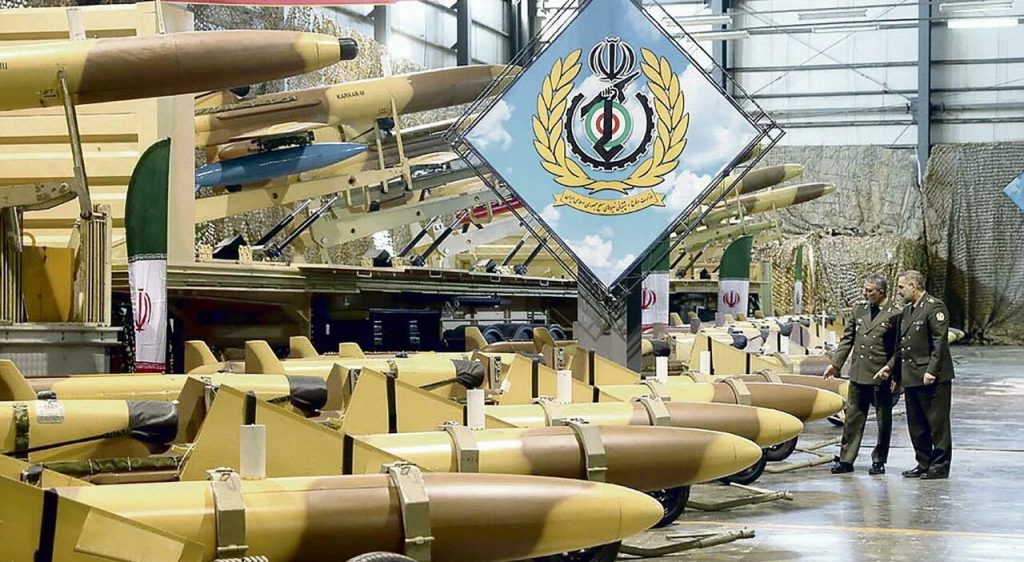
Tehran reacted firmly, declaring that the Israeli attack "will not go unanswered." The Iranian Revolutionary Guards promised revenge, threatening Israel with "severe and exemplary punishment." The Iranian government also criticized Western forces, accusing them of supporting Israel in its action, exacerbating tensions in the region.
Iran announced the closure of its airspace and intensified preparations for a counterattack. Supreme Leader Ali Khamenei warned that Israel is heading towards "a bitter and painful fate." Tehran's rhetoric suggests that Iran will not hesitate to respond with missile attacks, with the further possibility of launching drones against Israel, as already hinted by Iranian officials.

The Attack Live: Drones, Explosions, and an Ongoing Conflict
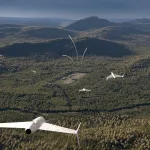
The intensification of attacks also saw the launch of over 100 drones from Iran towards Israel, marking a further escalation in the conflict. Israeli forces, including the Air Force and Intelligence, worked intensively to intercept these drones and missiles, strengthening defenses in the north of the country and mobilizing reservists.
Meanwhile, the Israeli government declared a "special state of emergency," putting the country on high alert and preparing the population for the possibility of further attacks. The Israeli army announced that the campaign could last "weeks," with targets including not only nuclear facilities but also Iranian missile and military infrastructures.

Prospects and Conclusions: An Uncertain Future for the Middle East
Israel's attack on Iran represents one of the most critical phases of the long-standing rivalry between the two countries. Israeli forces have targeted the heart of Iran's nuclear program, but Tehran's responses could lead to a prolonged conflict. The international community, while expressing concern, does not seem to have immediate solutions to stop the escalation.
The United States, while maintaining a line of separation, continues to monitor the situation and prepare to defend its forces in the Middle East, while Europe, led by Italian diplomacy, seeks to push for a return to dialogue.
In an already unstable context, the words of Netanyahu and Khamenei suggest that the Israeli attack could mark only the beginning of a broader and potentially devastating conflict for the entire region.



Comments
No comments yet. Be the first!