



The harsh realities of the conflict in Ukraine have turned the country into an unprecedented testing ground for European drone manufacturers. The front lines, characterized by massive use of unmanned aerial vehicles for both lethal and reconnaissance purposes, have become an essential laboratory for innovation and the resilience of these technologies. The constant presence of Russian electronic countermeasures and anti-drone systems has triggered a true technological arms race, pushing manufacturers to develop increasingly advanced solutions and robustness.
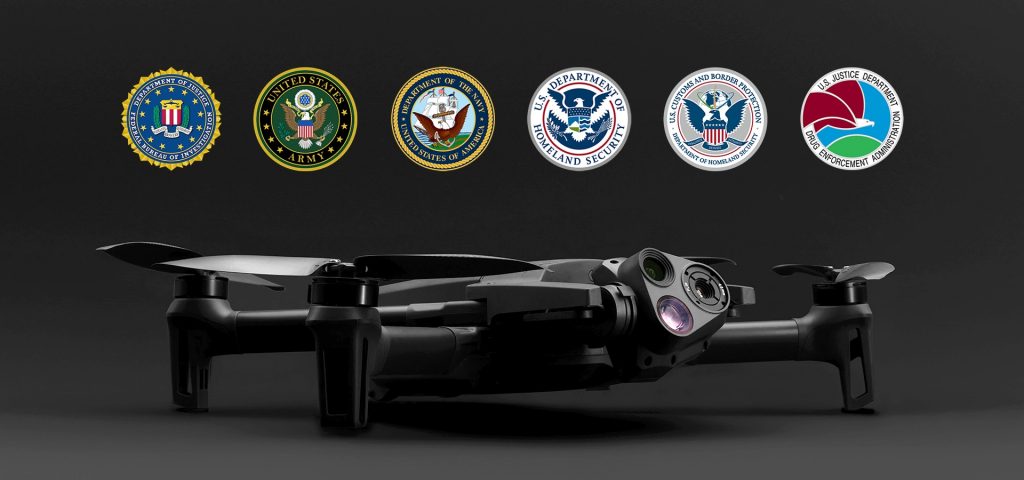
For companies like the French Parrot and Delair, being able to claim that their drones and related equipment have been tested and proven by Ukrainian forces has become a powerful selling point. It's no longer just about selling to national defense departments, but also to police forces, border authorities, rescue services, and civilian users. The field experience in Ukraine is a seal of quality that gives the products invaluable value in the global market.
Innovation and Credibility: The Advantages of "Battle-Proven"
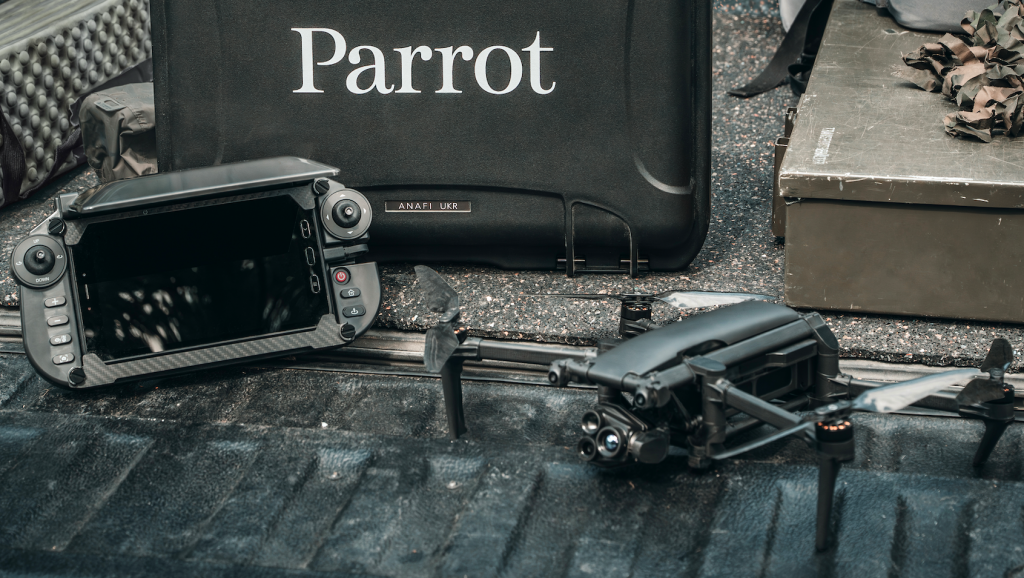
Henri Seydoux, founder and head of Parrot, makes monthly trips to Ukraine, describing the situation from the drone technology point of view as "fascinating" for its rapid evolution. "Every quarter, the situation changes completely," Seydoux stated. At the Paris Air Show, his company presented the Parrot Anafi UKR, a surveillance micro-drone whose name recalls Ukraine and which has been field-tested in a "very hostile environment." This drone is equipped with artificial intelligence technology to navigate even when radio and navigation signals are disrupted. Its resilience and features make it suitable for police operations, such as crowd monitoring or border surveillance, and for rescue services.
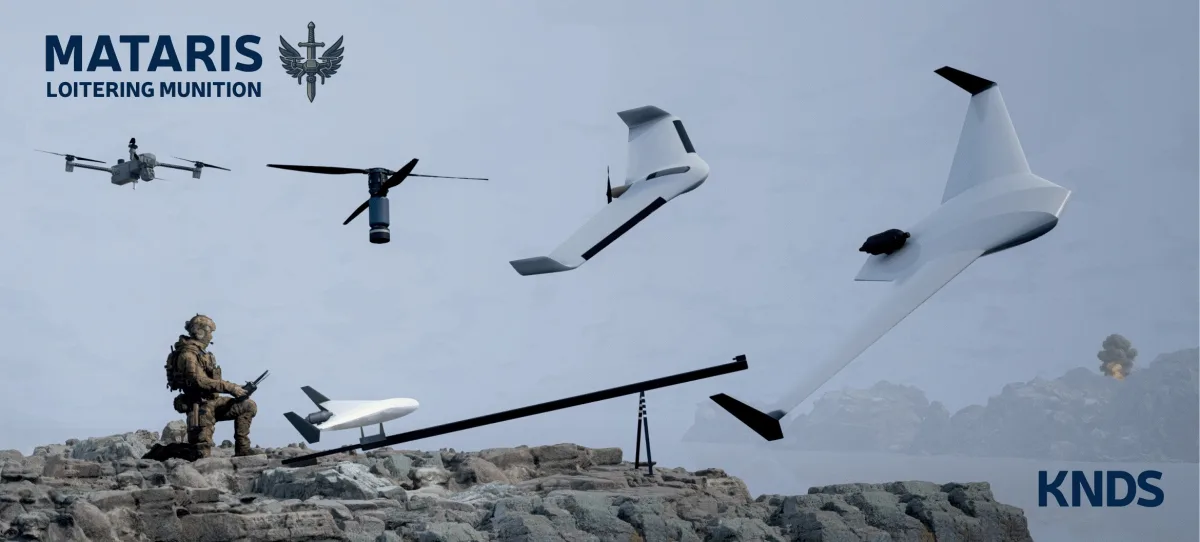
Bastien Mancini, president and co-founder of the French manufacturer Delair, also confirms the importance of the Ukrainian experience. His company supplied the Ukrainian forces with 100 explosive drones called Oskar, in collaboration with the European defense contractor KNDS, which markets them as "battle-tested." Mancini emphasizes how civilian users of Delair's non-military drones are attracted to products that have proven to "resist jamming, withstand the loss of a radio connection," making them reliable for civilian uses such as power line inspection. Delair developed the Oskar in less than a year, adapting a civilian drone and reinforcing it for Ukraine with technology resistant to Russian jamming.
Drones: Essential for Defense and the Future of the Market
For Ukraine, the ability to defend against swarms of Russian drones and find solutions to counter electronic warfare systems is a matter of survival. Small drones that drop bombs or explode against targets—mass-produced at a fraction of the cost of more complex weapon systems—have become vital for Ukrainian resistance. The Ukrainian Ministry of Defense has stated its intention to purchase 4.5 million drones this year, all of Ukrainian manufacture, three times more than the previous year.
Alex Vorobei, Ukrainian sales representative for Ailand Systems, a Ukrainian start-up developing a drone for landmine detection, stated that "drones have saved Ukraine." He also emphasizes that manufacturers not involved in Ukraine risk falling behind: "If you're in the defense field and you're not yet in Ukraine, it means you're nowhere." In summary, Ukraine has become an unparalleled testing ground for drone technology, a place where innovation is accelerated by necessity and where products prove their effectiveness in extreme conditions. This field experience is not only redefining modern warfare but also opening new opportunities for the civilian application of these battle-tested technologies.



Comments
No comments yet. Be the first!