



The Russian aggression against Ukraine has led to an unprecedented acceleration in the integration processes between the Ukrainian and European military industries. In just a few years, Kyiv has transitioned from being a mere recipient of Western supplies to an active industrial partner, capable of contributing with innovation, operational know-how, and design capabilities.
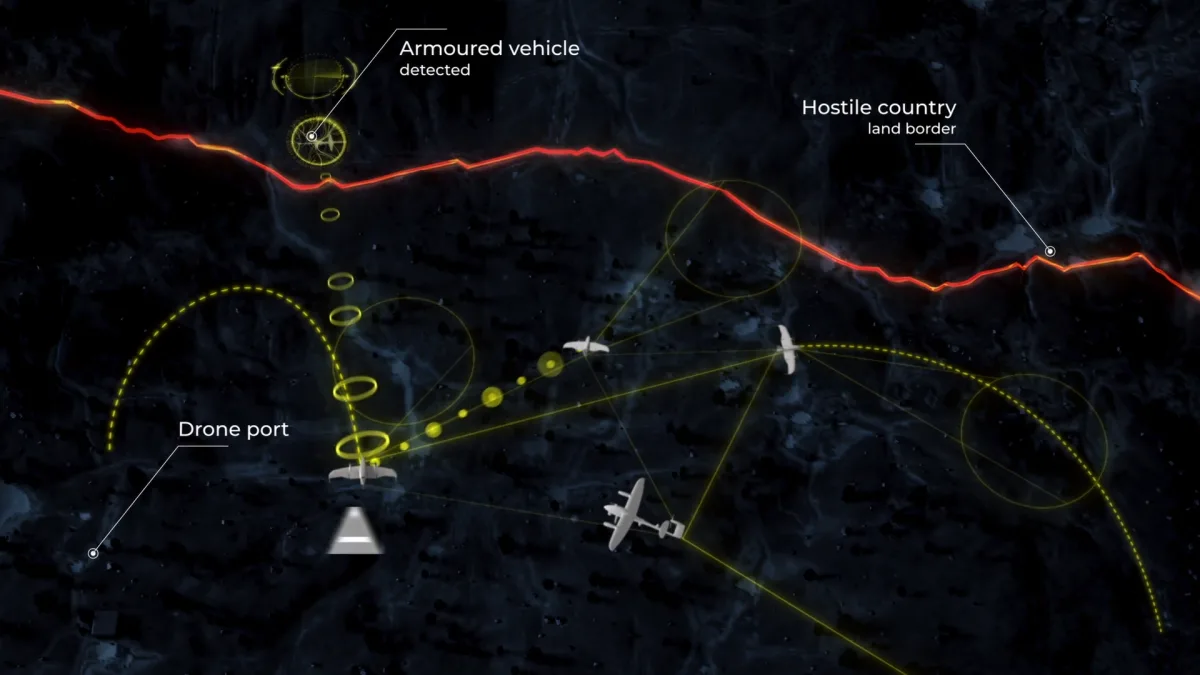
The agreement between the Ukrainian start-up Frontline and the German company Quantum Systems, culminating in the creation of the joint venture Quantum Frontline Industries, represents one of the most advanced cases of this transformation. The production of Ukrainian drones on German soil, under NATO standards, marks a paradigm shift: the experience gained on the battlefield is directly transferred to the European defense industrial base.
The “Build with Ukraine” program, promoted by Berlin, is not limited to ensuring short-term supplies but aims to integrate Ukraine into the European military procurement architecture in the medium and long term as well. Co-production thus becomes a strategic tool, not just an industrial one.

Germany as the European Hub for Drones and Rearmament
Germany's decision to invest in co-production with Ukraine is part of the broader rearmament plan initiated after 2022 and strengthened in 2024-2025. Berlin aims to rebuild critical industrial capacities, reducing dependence on non-European suppliers and shortening supply chains.
In this context, drones represent a priority sector. The Ukrainian industry has demonstrated rapid, adaptive, and cost-effective innovation capabilities, resulting from a high-intensity conflict where unmanned systems have become central. For Germany, integrating these skills means accelerating the development of operational capabilities for the Bundeswehr while simultaneously creating an exportable offer at the European level.
The synergies do not stop at drones. Rheinmetall has already initiated joint ventures with Kyiv for the maintenance and production of armored vehicles and ammunition, while the German government has allocated billions of euros to enable Ukraine to produce long-range missiles as an alternative to the direct supply of Taurus. Industrial convergence becomes an integral part of Germany's security strategy.

The European Ecosystem: EU, NATO, and Defense Start-ups
At the European level, cooperation with Ukraine is being structured through dedicated institutional and financial tools. The European Union has launched programs like BraveTech EU and EUDIS to connect Ukrainian military innovation with European defense start-ups and SMEs, fostering the development of disruptive technologies.
Drones, anti-drone systems, electronic warfare, and artificial intelligence applied to the battlefield are at the core of these initiatives. The goal is twofold: to capitalize on Ukrainian operational experience and strengthen the European Defence Technological and Industrial Base in a context of increasing global competition.
In 2025, venture capital investments in European defense reached record levels, exceeding two billion dollars. Germany and the United Kingdom remain the main poles of capital attraction, while Ukraine emerges as a real military innovation laboratory, capable of quickly testing and improving new solutions.

Part 4 – United Kingdom and Bilateral Cooperations: Towards a Continental Model
The United Kingdom has developed a complementary approach to the German one, based on long-term bilateral agreements with Kyiv. The UK-Ukraine strategic partnership includes not only military assistance but also industrial cooperation, technology transfer, and joint production of ammunition and advanced systems.
British industrial missions and co-production agreements strengthen the resilience of Western supply chains, reducing bottlenecks that emerged during the conflict. At the same time, other European countries – from Scandinavia to Central Europe – are exploring similar models, promoting the localization or controlled relocation of Ukrainian military productions.
Overall, these dynamics indicate a structural transformation: Ukraine is progressively being “booked” as an industrial partner for European rearmament. The convergence between Western production capacities and Ukrainian innovation is redefining European defense, laying the foundations for a more integrated, flexible system oriented towards high-intensity conflicts in the long term.



Comments
No comments yet. Be the first!