


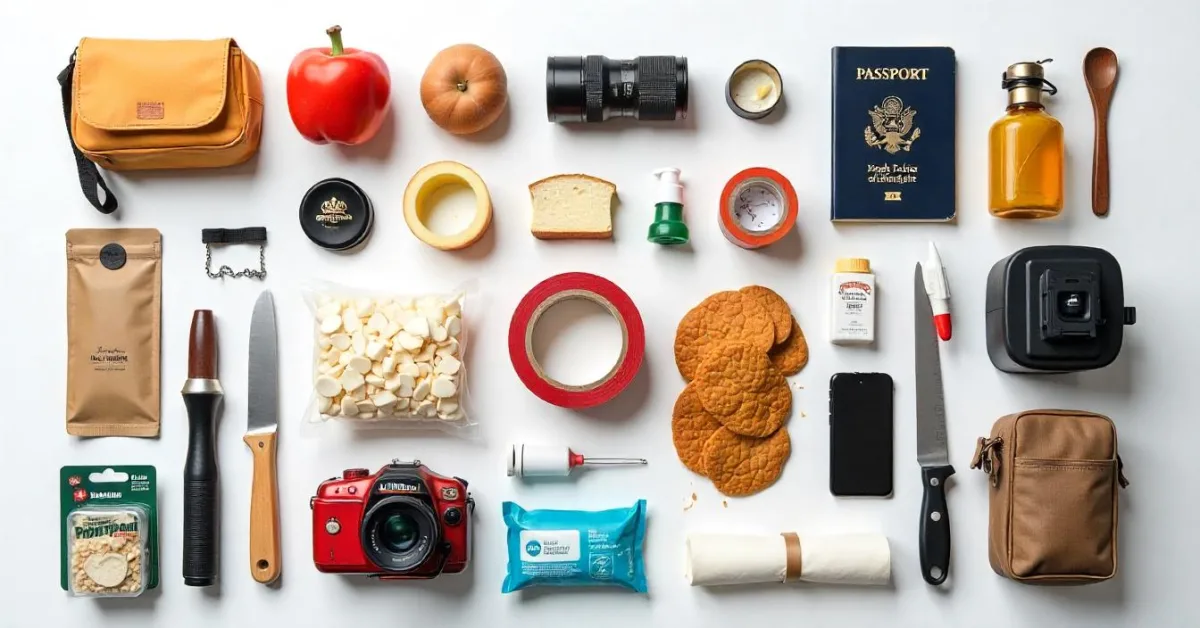

Food supplies, water, medicines, and batteries for at least 72 hours. The European Union is preparing to officially ask citizens of member countries to organize themselves to survive independently for the first three days in case of an emergency. The measure—which at first glance may seem excessive—fits into a much broader and more worrying context: recent intelligence analyses suggesting that Russia could launch a military attack against Europe within the next five or ten years.
This is reported by El País, which previewed the draft of the Union's Preparedness Strategy, presented today by the European Commission. A document that, without mincing words, invites member states to prepare concrete plans to strengthen civil resilience and directly involve the population in the logic of prevention and self-defense.
“Europe's preparedness and resilience in the face of armed violence could be tested in the future,” reads the draft.

An increasingly less hypothetical scenario
The new strategy comes as fears grow of a possible escalation by Moscow. Security agencies of several member countries, including Germany, have begun outlining realistic conflict scenarios, emphasizing how Russia, despite its engagement in Ukraine, is strengthening its military capacity on the European front as well.
Brussels responds with a package of 30 strategic measures, including the creation of common European stocks (food, energy, medicines), interstate emergency simulations, civilian population training, and a digital platform for real-time alerts and practical instructions.
But the most delicate step is related to the use of joint military resources among member states: a possibility provided by European Treaties but which, in this context, takes on a meaning far from theoretical.

Changing mindset to face the state of emergency
The European Commission speaks clearly of a “change of mindset”: from the idea of a Europe immune to war, to a society ready to react to violent, sudden, and interconnected crises. For this reason, in addition to the military response, there is an emphasis on civilian emergency preparedness: every European citizen must be able to withstand at least three days without essential services.
In the coming months, another integrative strategy will focus on protecting critical infrastructure and combating hybrid threats, such as cyberattacks and disinformation campaigns. These too, according to the Commission, are tools already active in Russia's geopolitical arsenal.
Europe and the test of history
The new strategic line is clear: it is not about alarmism, but realism. The conflict in Ukraine has shown that war can once again knock at Europe's doors. And if the Kremlin decides to extend its pressure beyond current borders, the EU wants to be ready. At least for 72 hours.



Comments
No comments yet. Be the first!