


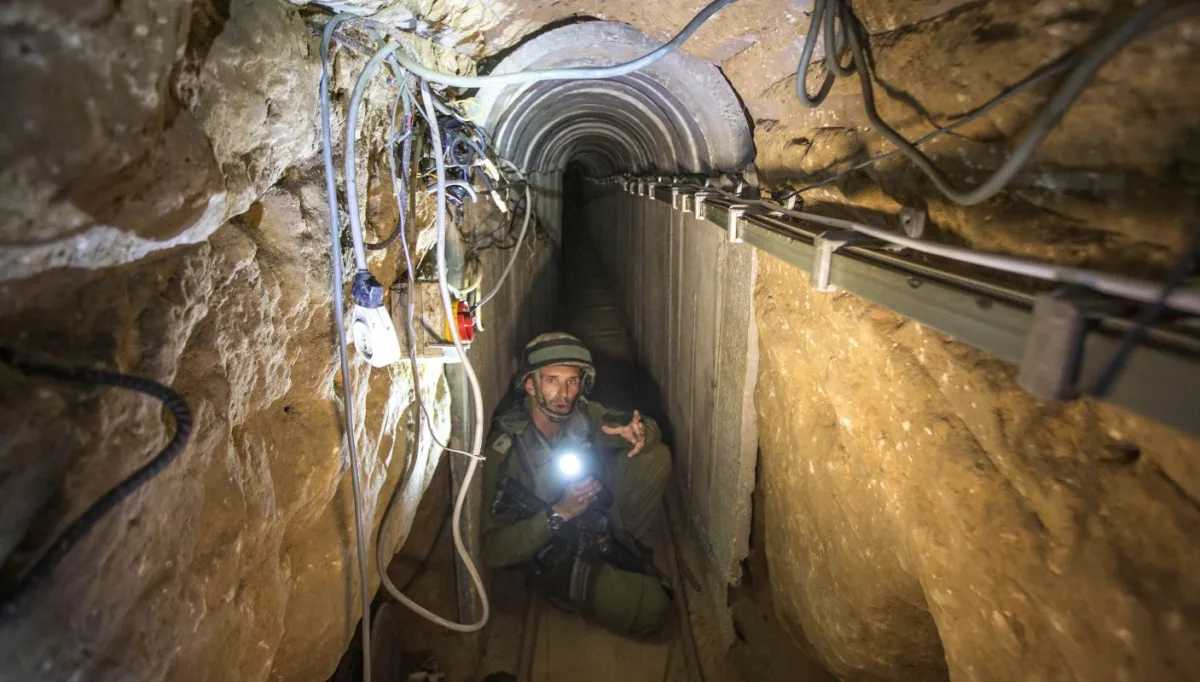

The Hamas attack on October 7, 2023, and the subsequent Israeli operation "Swords of Iron" marked a turning point in contemporary military history. At the center of the defensive and offensive strategy were not only the surface streets but an invisible and lethal infrastructure: the "Gaza Metro". This network, estimated to be between 350 and 450 miles, represents a doctrinal challenge that is forcing armies worldwide, including the U.S. Army, to rewrite urban combat manuals.

The Architecture of Underground Dominance
The Gaza tunnel system should not be confused with simple makeshift shelters. It is a complex military engineering work, layered for functions and depth:
- Tactical and Interdiction Tunnels: Located a few meters from the surface, these tunnels are designed for "hit and run". They allow fighters to suddenly appear behind enemy lines, conduct ambushes with anti-tank weapons (RPGs), and disappear underground before retaliation.
- Strategic and Logistic Tunnels: Dug at depths that can exceed 30-40 meters, these are equipped with reinforced concrete walls, electricity, forced ventilation systems, and wired communication networks (to avoid electronic interception). Here are the command and control centers (C2), rocket production workshops, and supply depots for long-term sieges.
The Technological Challenge: Detection and Geolocation
Finding a tunnel in a dense urban environment is like searching for a needle in a concrete haystack. The IDF has deployed a cutting-edge technological arsenal to map this "underworld":
- Seismic and Acoustic Sensors: Used to monitor ground vibrations. Although effective, they face difficulties in Gaza's sandy soil, which muffles sound waves compared to rocky terrains.
- Ground Penetrating Radar (GPR): Essential for identifying structural voids, but limited by depth and the presence of other civilian infrastructures (sewers, electrical cables).
- Thermographic Analysis: Drones equipped with IR sensors search for "heat signatures" produced by ventilation systems or hidden generators underground.
- Artificial Intelligence: AI is used to cross-reference historical data, satellite images, and intelligence signals to predict where access shafts might be hidden, often within hospitals, schools, or mosques to exploit the human shield.

Operational Tactics: The Use of Robots and Dogs
Hand-to-hand combat in tunnels is every soldier's nightmare. To mitigate risks, the modern approach follows a strict sequence:
- Robotic Exploration: The use of specialized drones (capable of flying without GPS signal) and unmanned ground vehicles (UGVs) allows mapping of tunnels and detection of explosive traps (IEDs) or toxic gases.
- The Oketz Unit: Trained dogs play a vital role. Thanks to their sense of smell and agility, they can locate hidden enemies and explosive charges in spaces too tight for robots.
- The Specialized Yahalom Unit: Once the threat is identified, elite engineers intervene, equipped with specific gear such as low-frequency radios (the only ones that penetrate the ground) and enhanced night vision goggles.

Neutralization: From Foam to Explosive "Sponges"
Destroying a tunnel is not simple. Total collapse requires enormous amounts of explosives. The IDF has therefore introduced alternative methods:
- Sponge Bombs: Chemical containers that, once activated, release an expandable foam that hardens instantly, sealing gaps without causing dangerous explosions for civilians on the surface.
- Flooding and Gas: In some areas, methods have been tested to render tunnels unusable by introducing water or fumes, although with complex environmental and tactical implications.
Conclusions: A New Era of Asymmetric Warfare
The experience in Gaza shows that air and technological superiority can be partially neutralized by underground dominance. As highlighted by the U.S. report, the proliferation of drones on the surface will increasingly push adversaries (as also seen in the Azovstal steelworks in Ukraine) to seek refuge and tactical advantage underground.
For future armies, the ability to fight in "multi-domain" environments – simultaneously including the sky, the land, and the underground – will no longer be a specialist option but a fundamental necessity for survival and victory.



Comments
No comments yet. Be the first!