


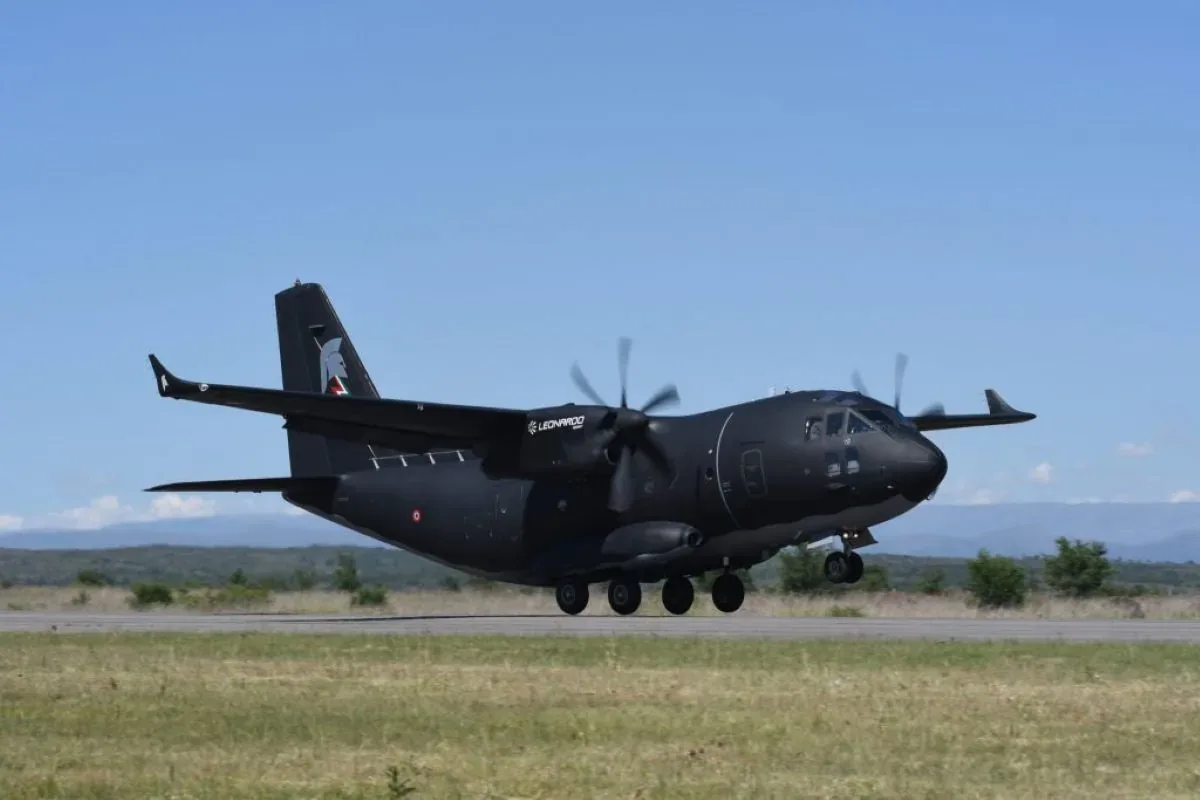

The ability to rapidly project forces is the pillar on which the geopolitical credibility of a modern nation is founded. For Italy, historically a bridge between Europe, the Wider Mediterranean, and the African continent, this prerogative directly translates into the efficiency of its air transport component. Today, however, the backbone of the air mobility of the 46ª Brigata Aerea di Pisa, based on the fleet of Lockheed Martin C-130J Super Hercules aircraft, bears the weight of years and relentless operational use in the most complex theaters around the globe. Purchased at the turn of the late 1990s, the Italian "Super Hercules" are now approaching thirty years of operational life: a longevity that inevitably raises issues related to maintenance and the availability of the airframes.
The Wear of the Carriers and the Training Stasis of the Folgore
Thirty years of service for a military transport aircraft measure the deep structural stresses endured between semi-prepared runways, steep-angle takeoffs, and missions in desert environments. Although the C-130J remains an extraordinary machine, the inevitable increase in wear rates and the complexity of global supply chains reduce the operational readiness of the fleet.
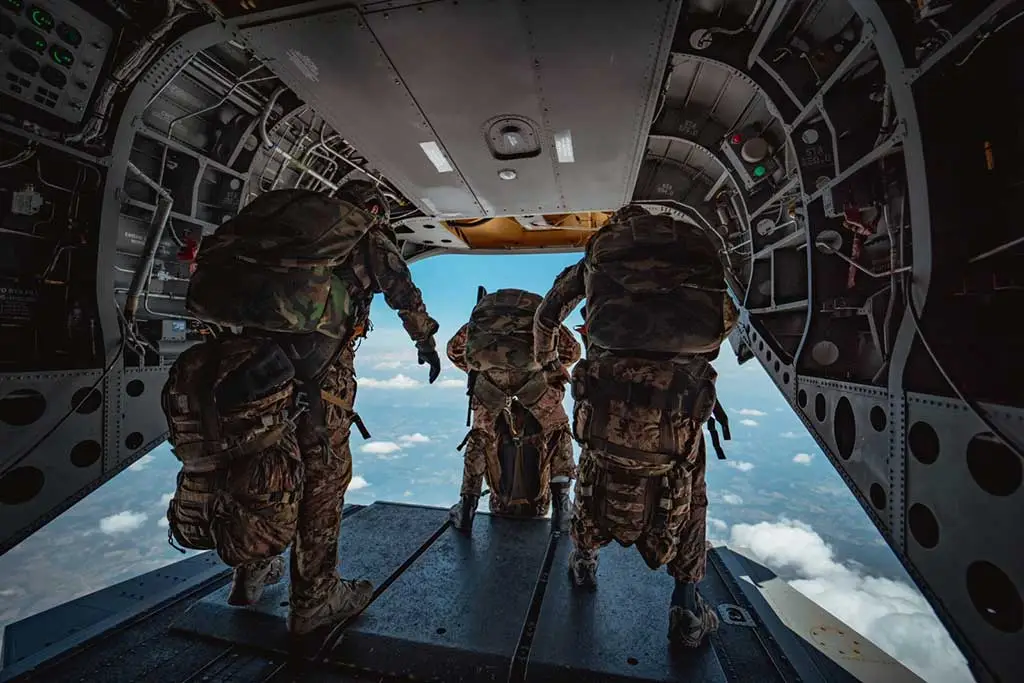
This logistical slowdown generates a worrying domino effect on the operational capabilities of elite units. The most evident symptom of this contraction is reflected in the Paratroopers Brigade "Folgore". Having one of NATO's best airborne assault forces and not being able to deploy it quickly due to the limitations of the air tactical fleet represents a strategic paradox. Training is directly affected: data indicates that an average Italian paratrooper manages to perform just 1 to 2 jumps per year. A figure well below the standards necessary to maintain full fluidity and readiness for action, turning an immediate projection resource into a tool partially constrained by the chronic shortage of available carriers.
The Asymmetry of Investments: The 1.4 Billion Heavy Tanker Program
While the tactical transport fleet struggles to ensure training and operational adherence volumes, the Italian Air Force is undertaking a significant modernization program on the strategic front of its tanker fleet, aiming to enhance in-flight refueling and long-range transport capabilities. This project involves acquiring six new twin-engine tanker aircraft, selected through an international competition.
The program, with an estimated investment of about 1.41 billion euros, will extend until 2035, ensuring Italy greater operational autonomy and better interoperability in international missions. This important allocation covers both the purchase of the aircraft and the integrated logistical support service for a ten-year period. Previously, in 2022, an investment of 1.12 billion euros was considered for the acquisition of six Boeing KC-46A, including initial five-year logistical support. However, with the program's revision and the issuance of a new determination to contract in 2024, the amount was updated to 1.41 billion euros, reflecting the changed operational needs and required technical specifications.
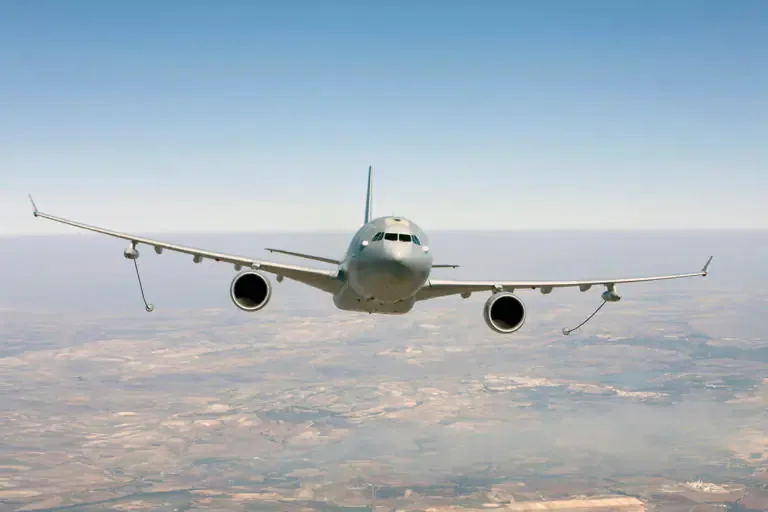
The risk of strategic asymmetry: While the new Tanker program guarantees a strategic projection and a very high level of flight autonomy for the front-line fighters, it risks polarizing financial resources, neglecting light and medium tactical transport. This segment is the only one truly essential for direct support and troop evacuation on the ground in the most austere operational theaters.
The African Quadrant and the Need for the C-27J Spartan Card
The relevance of tactical transport clearly emerges when analyzing Italy's geopolitical priorities, strongly oriented towards cooperation and stabilization of the Sahel and sub-Saharan Africa region. In these territories, large and advanced strategic tankers or heavy transport aircraft cannot deploy troops on the front line: geography and lack of infrastructure impose very tough requirements on the ground. African airstrips are often stretches of dirt, sand, or clay, improvised, short, and devoid of any airport support.
Operating effectively in Africa requires a carrier capable of short takeoffs and landings (STOL), able to "absorb" dust ingestion in the engines and operate in total logistical isolation thanks to an autonomous auxiliary power unit (APU). In this context, enhancing the fleet through the C-27J Spartan produced by Leonardo represents an indispensable strategic choice. The Spartan shares part of the avionics and engine with the C-130J but offers unique tactical flexibility. Introducing a new batch of C-27J would allow for the creation of a balanced fleet: the C-130J and the new Tankers would manage long strategic routes, while the Spartan would handle tactical insertion and direct support to the Folgore paratroopers and units on the African ground.
Conclusions: A Necessary Balance for Sovereignty
The planning of the Italian military instrument cannot disregard a perfect balance between high-altitude strategic projection and tactical ground capability. If the 1.41 billion euro investment for the new tankers projects the Air Force to the top of altitude capability until 2035, the simultaneous obsolescence of the transport line risks leaving the troops on the ground. Financing the enhancement of the Leonardo C-27J Spartan line means closing this strategic circle. Only by restoring training mobility to the "Folgore" Brigade and ensuring flexible carriers for the African context can Italy confirm its sovereignty and real intervention capability in modern multi-domain scenarios.


Comments
No comments yet. Be the first!