




In the current geopolitical landscape, the modernization of armed forces is no longer an option, but an existential necessity. The emergence of hybrid conflicts and technological acceleration are forcing governments to rewrite tactical doctrines, shifting the focus from the number of battalions to the quality of technological integration.
Advanced Weapon Systems: Beyond the Human
The heart of modernization lies in overcoming the physical limits of the combatant. Automation and speed are the new pillars of tactical superiority.
-
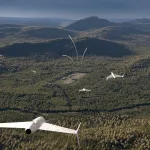
Unmanned Systems (Drones): No longer mere observation tools, but autonomous attack platforms capable of operating in "swarms" to saturate enemy defenses.
-
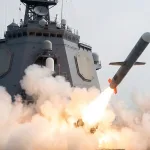
Hypersonic Technology: With speeds exceeding Mach 5, hypersonic missiles drastically reduce the adversary's reaction times, rendering many conventional air defense systems obsolete.
-
Ground and Naval Robotics: The use of UGV (Unmanned Ground Vehicles) for demining and logistical support protects the most precious resource: human life.
Digital Infrastructures and Artificial Intelligence
If weapons are the arm, digital infrastructure is the nervous system. The true modern challenge is informational superiority.
The Role of AI
Artificial Intelligence is transforming the decision-making process. Through predictive analysis, command systems can:
-
Process enormous volumes of data from satellite sensors in milliseconds.
-
Identify enemy movement patterns invisible to the human eye.
-
Simulate thousands of tactical scenarios before moving a single unit on the field.
Note: The resilience of communication networks (such as military 5G and low-orbit satellite constellations) is crucial to ensure that AI receives constant data even in degraded electronic environments.
The Cyber Domain: The Fifth Dimension of War
Modern warfare is fought on servers before battlefields. A nation can be paralyzed without a single shot being fired, simply by targeting its critical infrastructures (energy, banks, transportation).
-
Proactive Defense: It is not enough to respond to attacks; armed forces must develop cyber-hunting capabilities to neutralize threats within enemy networks.
-
Simulation and Training: The use of "Cyber Ranges" (virtual ranges) allows specialized units to train against advanced malware in controlled environments.
-
Digital Diplomacy: Sharing intelligence among allies (as occurs within NATO) is the only effective shield against state-sponsored attacks.
Conclusions: Towards an Integrated Defense
Modernization is not just about purchasing new hardware, but a cultural paradigm shift. Success will depend on the ability to integrate land, sea, air, space, and cyberspace into a single fluid operational ecosystem (MDO - Multi-Domain Operations). The required investments are substantial, but the cost of unpreparedness in an unstable world would be infinitely higher.



Comments
No comments yet. Be the first!