


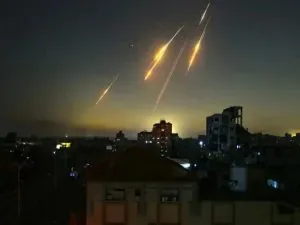

The night of war between the United States and Iran in the strategic corridor of the Strait of Hormuz tears the veil on a reality that Washington struggles to accept: the superpower is getting entangled in a quagmire of attrition and remote counterinsurgency that, due to dynamics and friction costs, dangerously mirrors the strategic errors of the Afghan two-decade period.
While diplomacy desperately tries to keep negotiation channels alive and the Pentagon downplays the raids as a "proportionate self-defense response," the facts on the ground tell a different story. It is the story of a continuous drip where Tehran's asymmetric deterrence is exposing the vulnerability of the world's most sophisticated war machine.
The Technological Paradox: From Expensive Fighters to "Low-Cost" Drones
The core of the geopolitical ridicule lies in the economic and operational balance of the clashes. The United States responds with precision munitions launched from fifth-generation fighters and Apache attack helicopters (one of which was shot down, sparking the latest escalation). Tehran and the Pasdaran counter with a rain of drones and solid-fuel missiles Khyber Shikan.
The parallel with Afghanistan is evident, but with a technological aggravation:
- Cost asymmetry: Millions of dollars spent on air defense systems (Patriot) and flight hours to intercept vectors that cost a fraction of those figures.
- The myth of invulnerability shattered: Iranian claims of shooting down MQ-9 Reaper drones over Jam and, especially, the alleged attack on the hangars of F-35 fighters and the US command at the Jordanian base of Al-Azraq – although downplayed by Amman – mark a psychological point of no return.
When a regional guerrilla force can legitimately declare (and attempt with partial success) to have targeted the crown jewels of American aviation – from F-16s to Raptors to F-35s – the global perception of US power inevitably slides towards the grotesque.
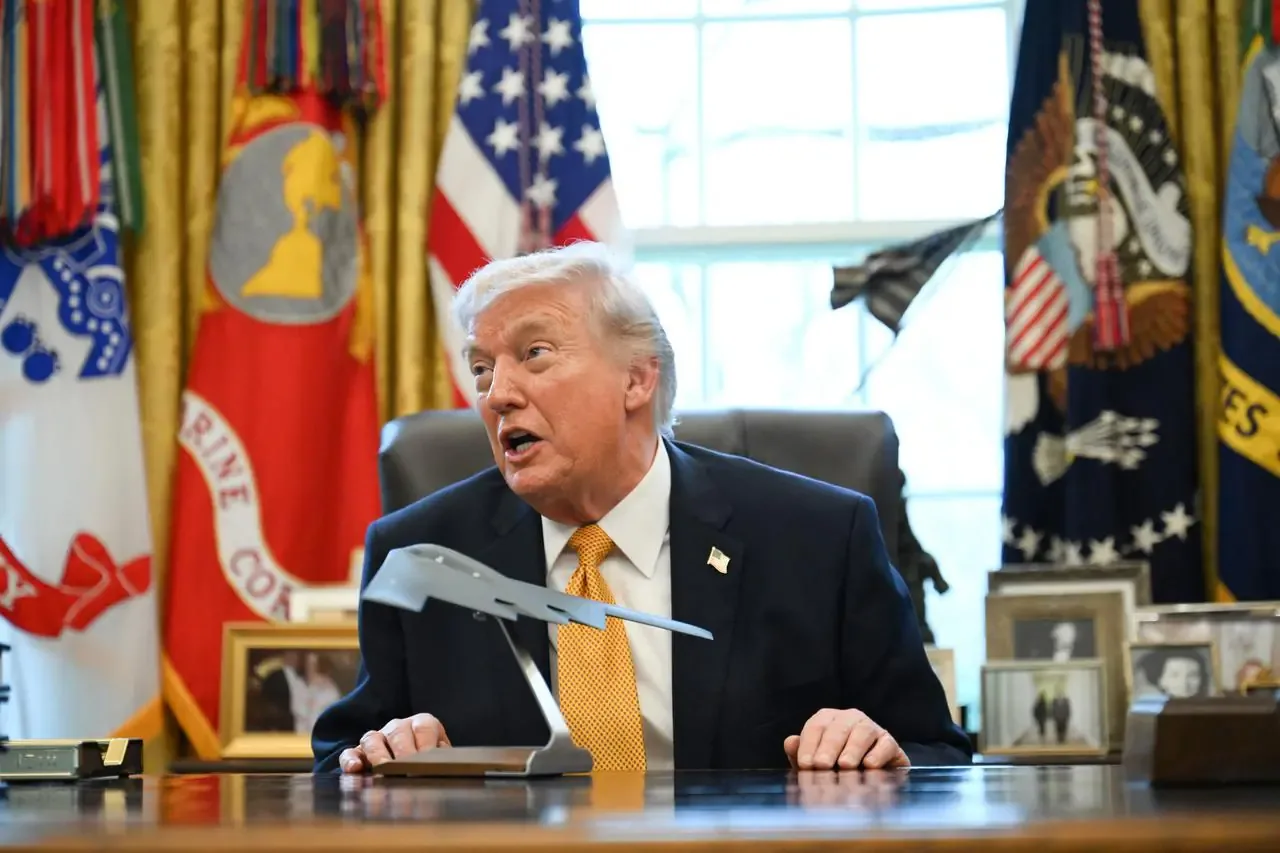
The Hour of Decisions for Donald Trump
President Donald Trump faces a strategic crossroads that no longer allows for half measures or distracting social media posts. The strategy of "surgical and proportionate retaliation" has failed: it does not deter Iran, does not protect the thirsty Gulf allies, and progressively wears down the military and reputational capital of the United States.
The options left on the table are radical:
- The decisive turn (Hard Escalation): A total shift that deeply strikes the nerve centers of the Pasdaran to restore real deterrence, accepting the risk of an open regional conflict.
- Strategic disengagement (Disengagement): Acknowledge that the permanent presence in the Gulf and the exposed bases in Bahrain, Kuwait, and Jordan has become a fixed target and accelerate a definitive peace agreement.
Continuing with the current "hit and negotiate" line means condemning US forces to an invisible but lethal war of attrition. A shadow theater where America risks losing valuable pieces of its aviation under the blows of an enemy playing at home and applying guerrilla rules to the 21st century. The history of the Persian Gulf, as ominously reminded by Iranian Foreign Minister Araghchi, is full of sad chapters for foreign intruders. It remains to be seen if Washington will want to write another one.



Comments
No comments yet. Be the first!