


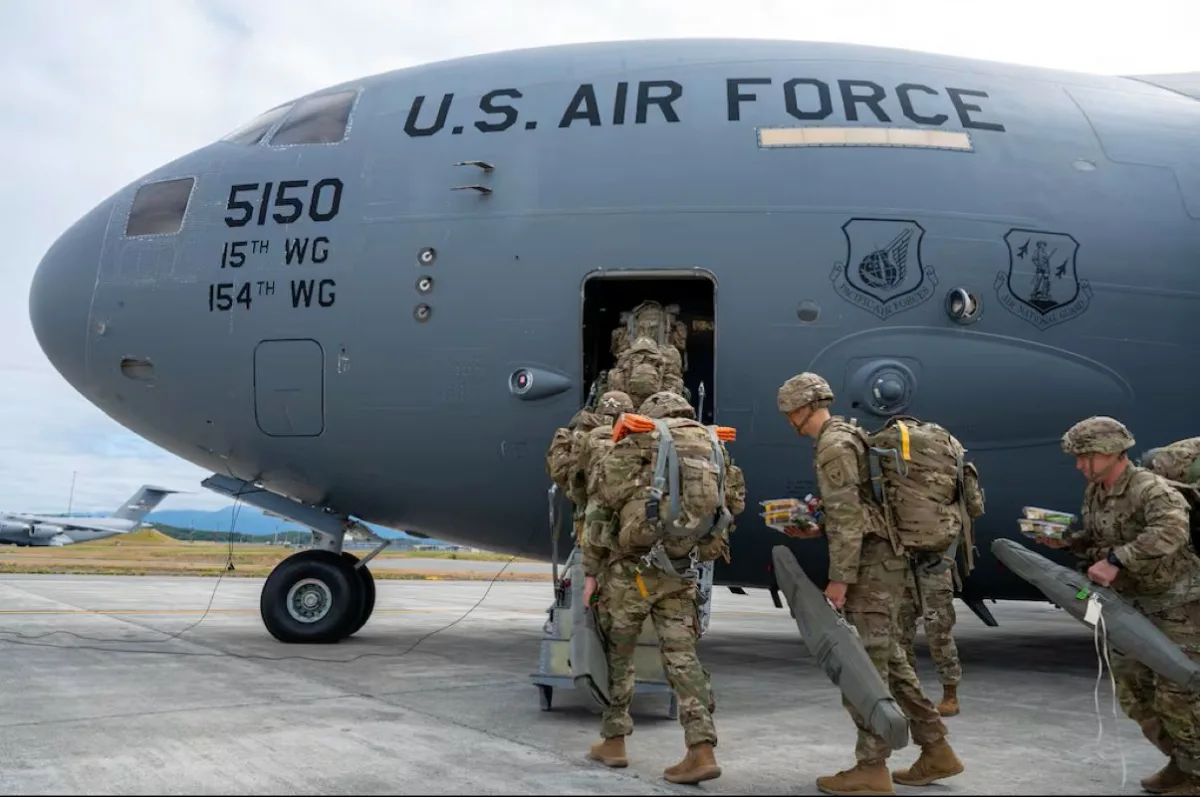

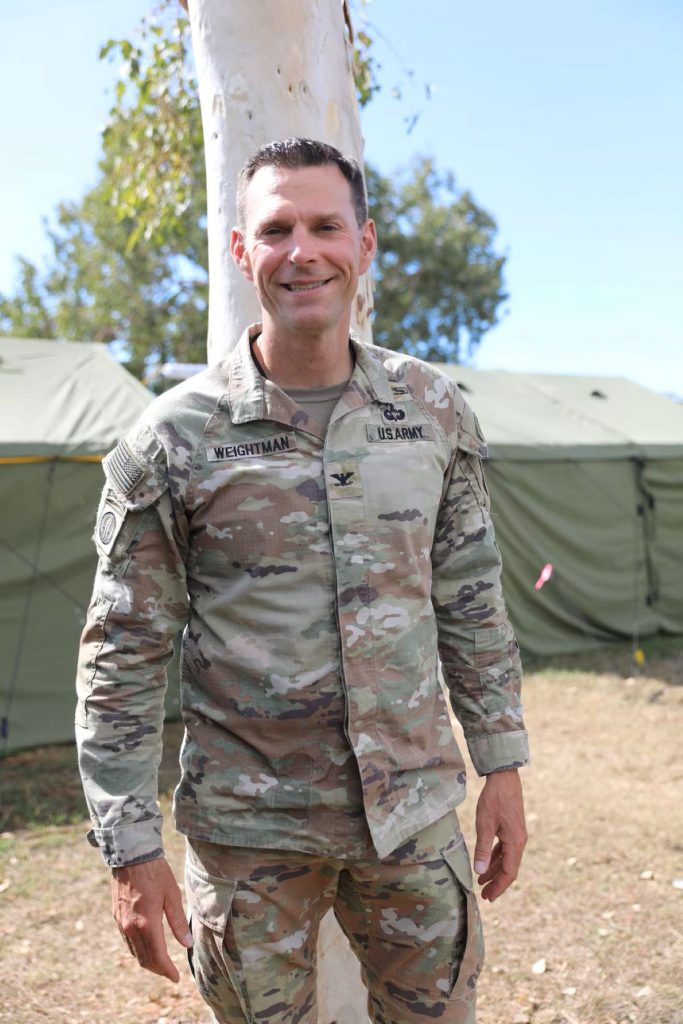
On July 14, 2025, the Talisman Sabre exercise began, the largest military operation ever conducted in the Pacific, involving 40,000 soldiers from 19 nations, including the United States, Japan, South Korea, India, and several European countries. The event culminated with the arrival of American paratroopers in Australia, who performed a night jump directly from Elmendorf-Richardson base in Alaska. After a 14.5-hour flight, the paratroopers executed a precision landing in the countryside of Townsville, in northern Queensland, as part of a complex air operation simulation. Colonel Brian Weightman, commander of the 2nd Infantry Brigade Combat Team (Airborne) of the 11th Airborne Division, emphasized the precision and danger of these operations, stating that although there are risks, the troops' preparation was impeccable, with only three minor injuries during the operation. After landing, the paratroopers continued the mission, advancing 48 kilometers towards an urban target, completing a high-intensity demonstration action. The jump, along with the joint maneuvers, highlighted the effectiveness of interoperability among allied forces, a crucial aspect for the success of future operations.
International Cooperation and the Power of Technology
One of the main features of Talisman Sabre 2025 was the interoperability among forces from different countries. In addition to American troops, the exercise saw the participation of French, German, Japanese, and South Korean soldiers, creating a highly cooperative environment. The maneuvers included amphibious landings, the use of drones, and missile tests, while advanced communication systems allowed optimal coordination among all forces in the field. Colonel Weightman highlighted the importance of technology in modern operations, emphasizing how continuous connection via voice, data, and video has improved situational awareness. This, combined with the ability to project forces over long distances, was crucial to optimizing the exercise's effectiveness. The operations extended not only in Australia but also in nearby Papua New Guinea, a strategic territory where the United States recently signed a security agreement. The presence of advanced land missile systems like the Typhoon and F-35 jets added value to the exercise, showcasing the effectiveness of the combination of air, land, and maritime capabilities.

Geopolitical Implications and Defense Preparedness
The Talisman Sabre 2025 exercise assumes increasing geopolitical importance in an international context characterized by ever-tenser strategic competition in the Indo-Pacific. The growing Chinese threat, particularly regarding the situation in Taiwan and claims in the South China Sea, has prompted Washington and Canberra to strengthen their military axis. General J.B. Vowell, deputy commander of the U.S. Army in the Pacific, stated that the training operations are a concrete response to the region's challenges, emphasizing the United States' determination to ensure the area's stability. The exercise is not only an operational test but also a powerful global political message, aiming to demonstrate the capability for rapid and coordinated reaction in case of conflict. The 11th Airborne Division, which participated with its command, is one of the most versatile forces of the American army, capable of operating in extreme environments, from the Arctic to subtropical climates like Australia's. The participation of over 40,000 soldiers, the use of new technologies, and large-scale logistical planning confirm the international coalition's commitment to protecting a "free and open" Indo-Pacific, as stated by Australian Vice Admiral Justin Jones.

The Talisman Sabre 2025 exercise represented not only an opportunity to strengthen the operational capabilities of allied armed forces but also a symbol of the growing determination of the United States and Australia to counter emerging geopolitical challenges, with the aim of maintaining stability and security in the Indo-Pacific region.






Comments
No comments yet. Be the first!