




In the past three years, the United States armed forces have spent over $6 billion to recruit and retain soldiers, in an increasing effort to bridge the recruitment gap. These financial incentives, aimed at stimulating the reform of the armed forces, have seen a significant increase in allocations since 2022, with the Navy significantly surpassing other branches of the armed forces in terms of recruitment and retention bonus spending.
Since 2022, the United States Navy has significantly increased its budget for recruitment and retention bonuses, with a substantial increase compared to other military branches. This increase in funds has been crucial in addressing the recruitment shortfall, especially after the COVID-19 pandemic reduced public events and opportunities for recruiters to meet young candidates. Despite the challenges, spending on bonuses has been instrumental in regaining lost ground in terms of new enlistments.
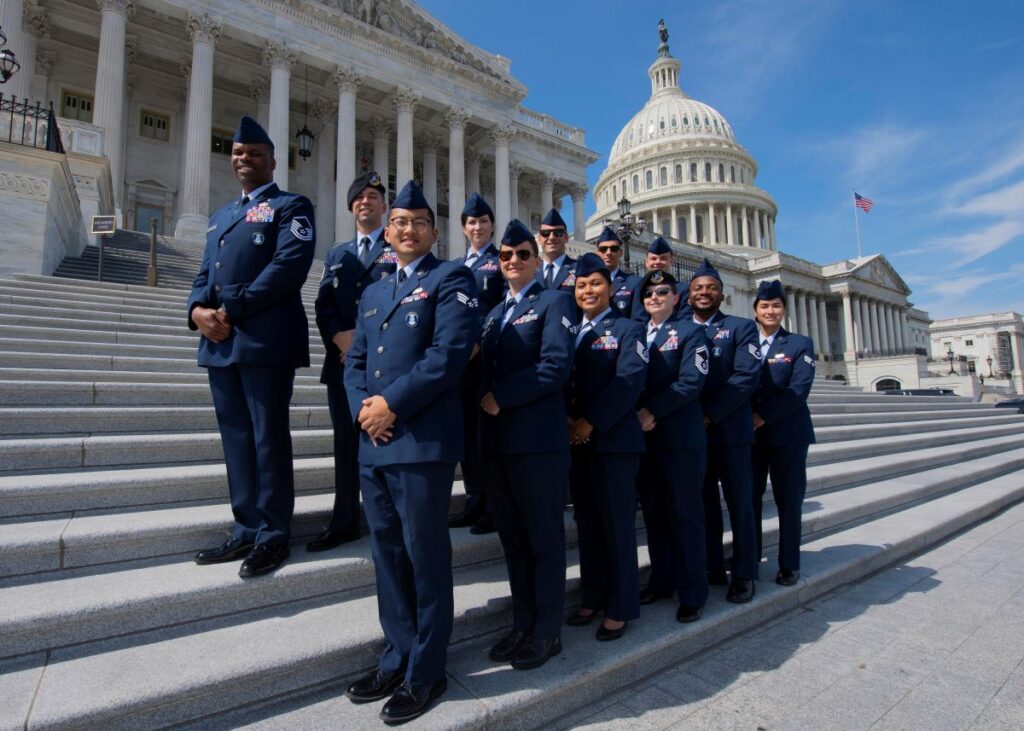
The Navy and Its Efforts to Retain Soldiers
The Navy spent enormously in 2023 to overcome a significant recruitment shortfall. Despite being one of the smaller branches of the armed forces, the Navy has invested considerable sums to incentivize the retention of its sailors, with about 70,000 sailors receiving bonuses each year, more than double what was spent on Army soldiers. Admiral James Kilby, deputy chief of naval operations, emphasized how sailor retention is crucial for achieving the Navy's personnel goals, although the corps is facing difficulties in recruiting officers for certain roles.
The Army and Its Initiatives to Catch Up
The United States Army has faced the greatest recruitment challenges in the past decade. However, thanks to new policies and initiatives, including the "Future Soldier Prep Course" established in 2022 at Fort Jackson, South Carolina, the Army has managed to make a significant recovery. This program offers underperforming soldiers up to 90 days of academic and physical training to help them meet the Army's required standards, resulting in thousands of new enlistments.

Major Getty, spokesperson for the Marine Corps, also highlighted how the use of retention bonuses was helpful in 2024, when Marines were allowed to remain in service a year earlier than expected, thus increasing the number of soldiers who received bonuses.
Spending on Bonuses and Recruitment Challenges
In 2023, the Air Force also increased its spending on recruitment bonuses, although it reduced the amount in 2024. The Space Force, however, has not currently authorized recruitment bonuses. The Marines, despite meeting their recruitment goals, were forced to rely on a large number of late applicants to meet their needs. Compared to other branches of the armed forces, the Marines tend to distribute bonuses among a larger number of soldiers, as the total strength of the corps is smaller.
The United States armed forces, while investing large sums to recruit new soldiers, aim to strengthen the most difficult positions to fill. This includes roles in cyber, intelligence, and special forces, as well as combat, tank, and artillery jobs, which are considered vital for the country's security and operational readiness.

Future Prospects
With the increase in bonuses and spending, the U.S. armed forces are now in a better position to achieve their recruitment goals and retain soldiers already in service. The initiatives and programs introduced, along with the use of financial incentives, have proven to be effective tools in reversing negative recruitment trends. However, it remains to be seen how the armed forces will continue to cope with the growing difficulty of attracting young people in an increasingly competitive landscape, where career opportunities are numerous.
The $6 billion spent on recruiting and retaining soldiers demonstrates the importance the United States government places on the preparedness and operational capability of its armed forces. Despite the challenges, efforts to attract and retain personnel seem to be on the right track, although long-term changes may require even more innovative strategies to address future challenges.






Comments
No comments yet. Be the first!