




Space has become a strategic arena where global powers compete to increase their geopolitical influence and gain the advantages offered by the space economy. In recent decades, the space sector has seen a strong boost both scientifically and technologically, with the growing participation of public and private actors, redefining the landscape of international competition. However, in this context of innovation and progress, artificial intelligence (AI) is emerging as a key factor capable of revolutionizing space operations, particularly in the field of military operations, posing new challenges and opportunities.

The New Space Competition and the Role of Private Actors
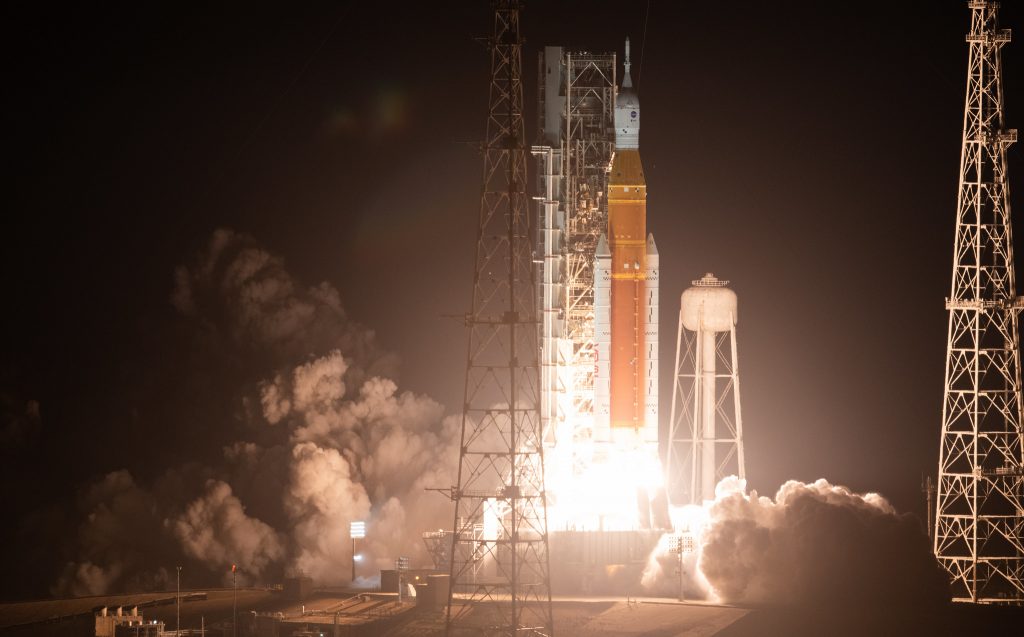
In the last twenty years, space exploration has gained renewed motivation, with major world powers increasing their presence in the solar system and Earth's orbit. Among the main players in this new space era are the American SpaceX, which has launched over 5,000 satellites and plans to launch another 7,000, the China Academy of Space Technology with its “Guowang” constellation, and the European Union finalizing the IRIS2 project.
These initiatives are redefining the landscape of the space economy, creating new economic and security opportunities, but also new geopolitical challenges. In fact, the growing private participation in space is also widening the gap between space powers and countries that still do not have access to these resources, thus creating geopolitical instability.

The Concept of Space Power and Military Space Operations
The concept of “space power” has sparked growing interest in geopolitical circles, but it still lacks a unified definition. Traditionally, space power has been seen as the ability to use space to support land, sea, and air forces, enabling them to operate more effectively. However, with the evolution of global competition, control of space has become a fundamental factor for the projection of military power. Globalization and the increasing competition among states have highlighted the need to understand space power as an autonomous and strategic resource, capable of influencing a country's vital sectors, including security, economy, and diplomacy.
Military space operations, which include activities such as satellite monitoring and the use of anti-satellite weapons, have become a fundamental aspect of national defense. The protection and control of space resources have thus become priorities for the world's major powers, which are equipping themselves with structures and capabilities to defend their space assets.
Space Threats and Security Risks
In the context of space operations, the protection of assets in space has become a growing concern. Threats can be both intentional and unintentional. Unintentional threats include natural phenomena such as asteroid collisions or solar radiation, while intentional ones involve targeted sabotage actions, such as anti-satellite (ASAT) attacks or electronic and cyber interference operations. The accumulation of space debris is another risk factor, as it increasingly makes accidental collisions likely, which could compromise the safety of assets in orbit.
In response to these threats, countries are developing Space Domain Awareness (SDA) capabilities to monitor the space environment and improve the security of space operations. These efforts aim to ensure that states can protect their interests and respond promptly in the event of attacks or incidents.
Artificial Intelligence in Space Operations
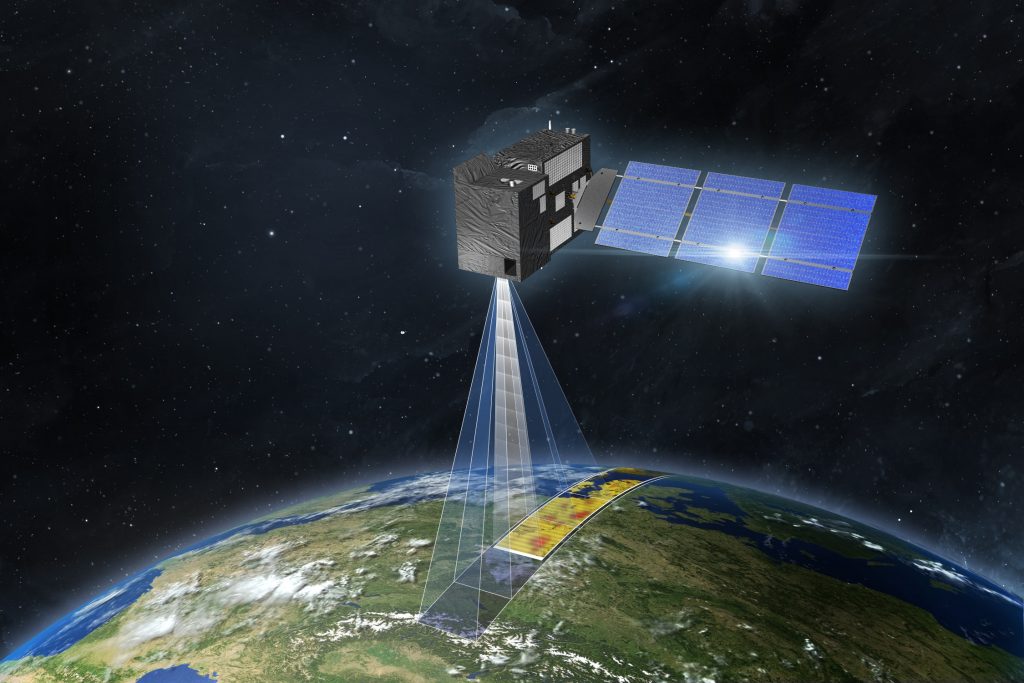
Artificial intelligence (AI) is emerging as a fundamental technology to improve the efficiency of space operations and address the challenges associated with increasing space congestion and threats. AI can be used to optimize satellite management, enhance the ability to predict and prevent collisions, and analyze sensor data to detect potential threats. Additionally, AI can help improve the security of satellite communications and protect sensitive data from cyberattacks.
For example, the use of AI systems for intrusion detection in satellite networks could reduce the risks of sabotage, while the adoption of machine learning and deep learning techniques could increase the predictive capacity of space operations, enhancing rapid response capabilities. AI can also contribute to the autonomous maintenance of satellites, reducing the need for direct human intervention in space, a crucial aspect given the high cost and risks associated with repair operations.
The Future of Space Operations and International Governance
With the increase in space operations and the growing importance of security in space, the management and regulation of space power are becoming increasingly crucial. States must face not only technological challenges but also political and regulatory ones. The lack of a shared global governance on the use of force in space and emerging technologies like AI could lead to conflicts and an arms race in space, similar to the Cold War.
Initiatives for greater international cooperation, such as the creation of shared rules for the protection of space resources and the limitation of ASAT tests, are important steps to ensure stability in space. The European Union, for example, has defined its space strategy for security and defense, aiming to strengthen the resilience of space systems and promote global partnerships. However, emerging powers, such as China and India, are increasing their space presence and military capabilities, adding new complexities to an already fragmented geopolitical scenario.
Conclusions
Space power is now a crucial element of national security policies, with significant implications for global geopolitics. Military space operations, the protection of space resources, and the use of AI for security and operational efficiency are topics of growing importance. Space governance must evolve to address the challenges posed by increased space congestion and military threats, promoting international cooperation based on common rules.
Space powers must continue to develop their defensive capabilities in space, but also address the ethical and regulatory issues related to the use of artificial intelligence in military contexts. A collaborative and regulated approach is essential to ensure that space remains a domain of cooperation and innovation, rather than conflict. The growing dependence on space resources and the potential use of AI could revolutionize not only military security but also the global geopolitical balance.



Comments
No comments yet. Be the first!