


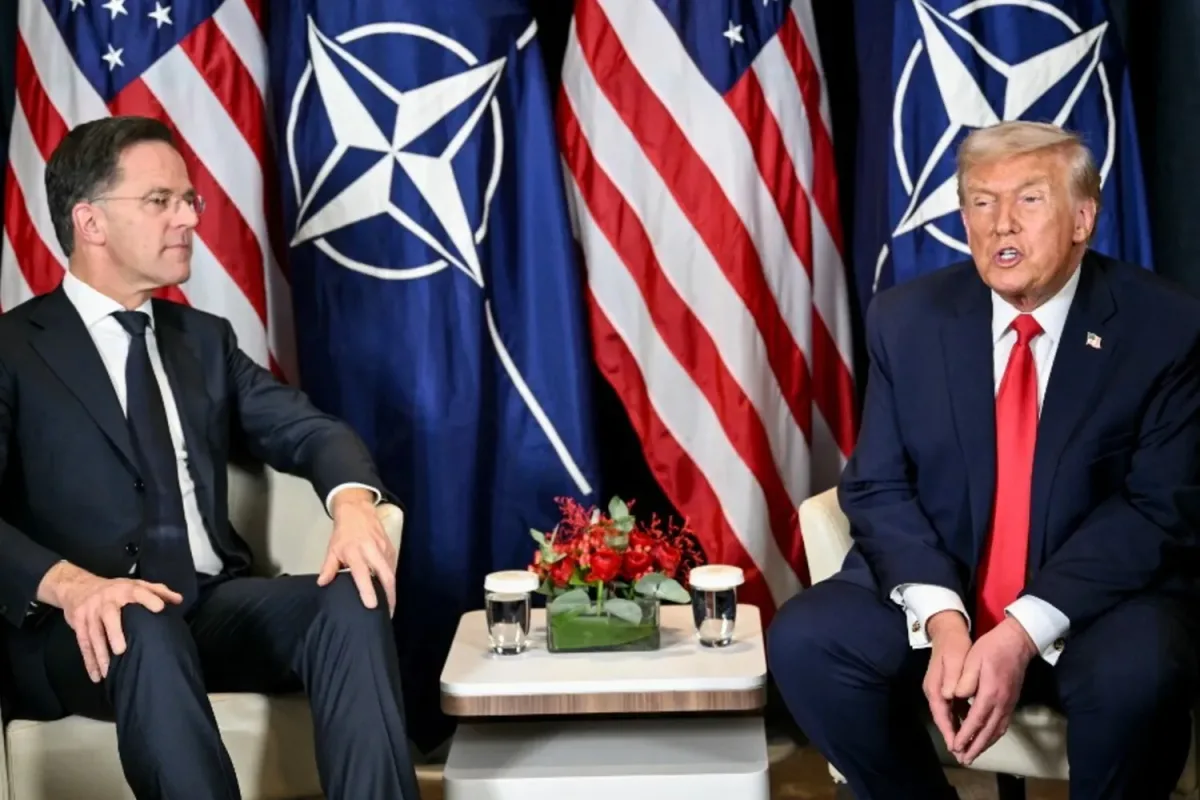

The meeting on April 8, 2026, at the White House between President Donald Trump and NATO Secretary General Mark Rutte marked a turning point in the transatlantic relationship. What seemed a week ago to be an imminent threat of total U.S. withdrawal from the Alliance has evolved into a strategy of "military surgery": a redistribution of forces based on political loyalty and operational support.
The "Pay-to-Play" Military Doctrine
According to reports from the Wall Street Journal and echoed by major European outlets, the Trump administration is formalizing a policy of "selective withdrawal". The crux of the dispute is no longer just the infamous 2% of GDP for defense, but the lack of ally support in the recent U.S./Israel conflict with Iran.
- The loyalty criterion: Trump has called NATO a "paper tiger," accusing European members of not responding to the call to arms when the Strait of Hormuz was blocked.
- Redislocation, not just withdrawal: The plan is to reward "willing" states (like some Eastern European countries) with a greater presence of American troops, while withdrawing them from nations considered "evasive" or uncooperative.

The German and French Perspective
In Europe, the reaction is a mix of pragmatism and alarm.
- Germany (Deutschlandfunk): The German press highlights how Trump is using NATO as a "test" of loyalty. Berlin watches with concern Washington's tendency to shift the alliance's axis towards the Pacific and the Middle East, citing the involvement of partners like Japan and Australia, whom Trump seems to prefer over historic European partners.
- France (AFP/Anadolu): Emmanuel Macron has described the current climate as one of "too much confusion." French media underline Trump's frustration with what he perceives as "poor European gratitude" after the support provided to Ukraine, which the tycoon now calls "not an American problem."
The Congressional Obstacle
Despite the aggressive rhetoric, the formal withdrawal of the United States from NATO remains a tortuous path.
By law, the President of the United States cannot unilaterally withdraw from an international treaty of such magnitude without a qualified majority in Congress.
For this reason, Trump's strategy has shifted to the executive level: unable to dissolve the contract, he is reducing services. The relocation of troops and the reduction of funding for military infrastructure in Western Europe are tools the White House can activate without going through a parliamentary vote.

Trump's "Military Dream"
While threatening cuts to NATO, Trump has proposed a defense budget of 1.5 trillion dollars for 2027, focused on building what he calls the "Dream Military."
- Key projects: The "Golden Dome" missile defense system and the "Golden Fleet" naval modernization.
- The goal: A military force that responds exclusively to American national interests, making NATO no longer the pillar of global security, but an exclusive club reserved for those who "deserve" Washington's protection.
In conclusion, the meeting with Rutte seems not to have mitigated U.S. frustration, but has confirmed that NATO, as we have known it since 1949, is undergoing an irreversible genetic mutation.





Comments
No comments yet. Be the first!