


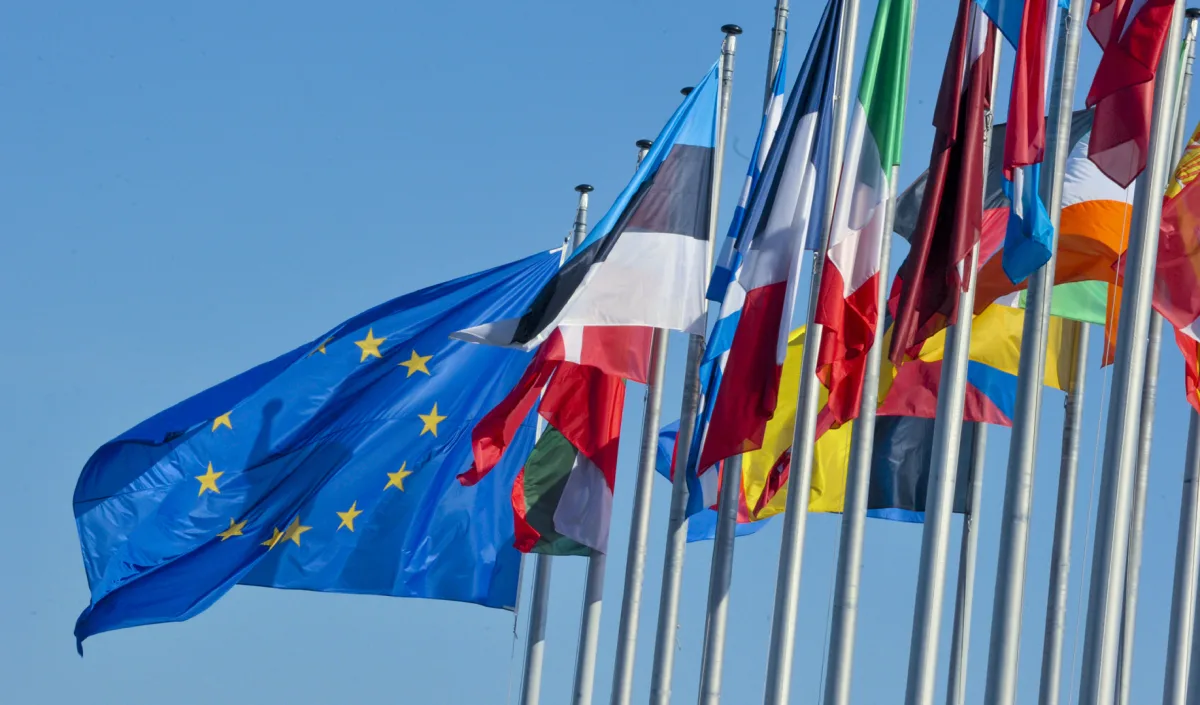

In the context of a possible disengagement of the United States from Europe, the study published by the Kiel Institute for the World Economy outlines an alarming scenario: to ensure credible deterrence against Russian aggression, Europe would need 300,000 more soldiers and to increase defense spending by at least 250 billion euros a year. The figure, although imposing, is justified by the constant strengthening of Russian forces, with 700,000 men in Ukraine and an intense industrial production of armaments. However, spending alone is not enough: a common strategic planning among European states is indispensable. Without an integrated command, a shared operational doctrine, and a unified logistics chain, investments risk being dispersed in inefficiencies. Moreover, it is necessary to rely on companies truly experienced in the military sector, even those outside the continent: U.S. and Israeli industries, which have been continuously innovating for decades, represent models to follow or collaborate with. European security cannot be left to chance or national fragmentation. It is time to recognize that Europe, if it wants to survive as an independent political actor, must change its paradigm.

Industry, technology, and a new civic spirit
The necessary change is not only material but cultural. A profound rethinking of the relationship between civil society and defense is needed: the public must understand that the war effort—or rather, the preparation for war—does not concern only the armies but involves the entire population. Defending the European model of freedom, pluralism, and well-being means accepting a collective participation in the strategic effort, from industrial production to recruitment and training. A central role is assumed by drones, the true military revolution of the 21st century. Only by fully understanding the potential of these tools—in combat, surveillance, logistics, and electronic warfare—can Europe aspire to strategic credibility. Equally important is the construction of a robust cyber defense infrastructure, capable of protecting civilian and military networks from intrusions, sabotage, and disinformation campaigns. Without solid cyber defense, any modern army risks being blinded and paralyzed. This technological transition is the key to avoiding a return to an analog era, where digital vulnerability translates into tactical defeat.

Strategic training and national resilience
Alongside technological innovation and military integration, Europe must also decisively invest in the training of a leadership class aware of the strategic challenges of our time. It is urgent to strengthen the culture of defense from schools, universities, and professional training. It is not just about creating new officers or military technicians, but about developing a civilian elite capable of understanding modern warfare, making informed decisions, and leading a society ready to withstand crises. National resilience starts with knowledge, not just weapons.

A challenge for Europe's identity
This strategic transformation is not only about countering the Russian threat. It is part of a much broader challenge: that between models of civilization. Europe finds itself between two opposing poles—on one side, the United States, with a robust democracy but different in values and priorities; on the other, powers like China or Russia, founded on authoritarian and centralized systems. Defending Europe means defending a unique model of political coexistence, based on rights, the rule of law, cooperation, and economic freedom. If Europe intends to survive as an autonomous entity, it must build a military pillar worthy of its civilization. This requires coordinated investments, military production on a European scale, interoperability between national armed forces, a shared strategic mindset, and advanced technological integration. The time for hesitation is over: it is necessary to face the future with realism, clarity, and determination. Only in this way can the European Union face the challenges of the 21st century, not as a mere spectator, but as a protagonist.



Comments
No comments yet. Be the first!