


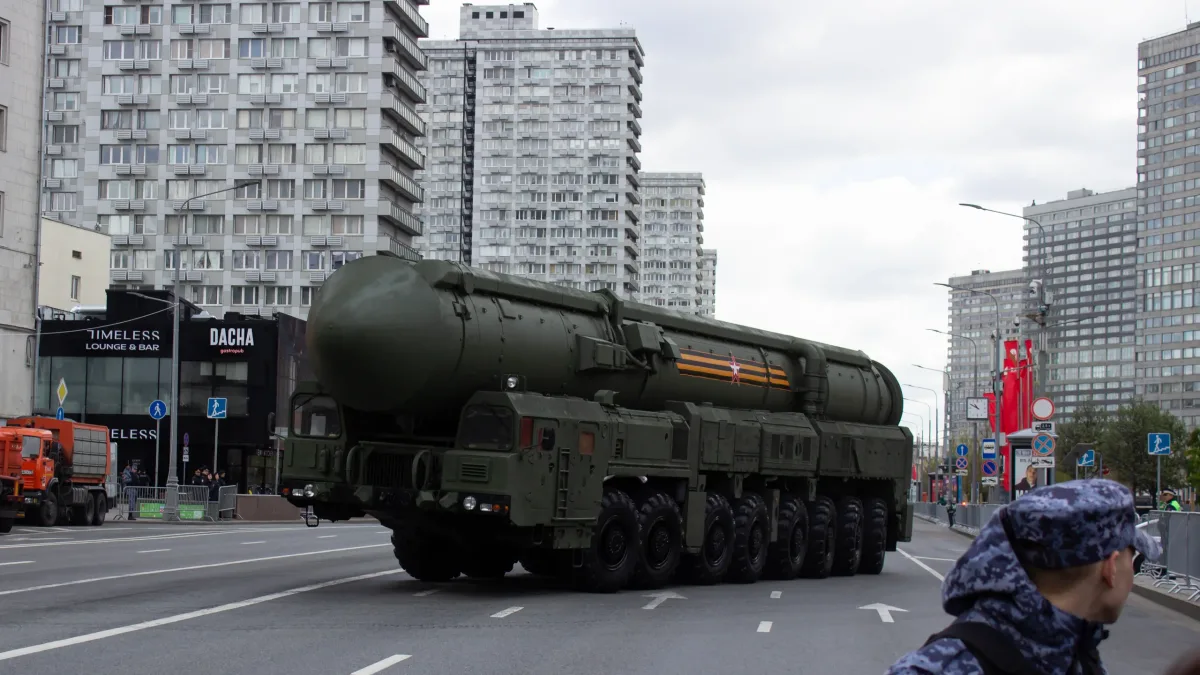

In the unstable world of the 21st century, nuclear deterrence remains one of the most effective tools for preventing large-scale conflicts. NATO, aware of this reality, continues to consider nuclear weapons as a pillar of its defense strategy. But what happens when a state voluntarily gives up this deterrent tool? The case of Ukraine offers a dramatic answer.
Nuclear Deterrence According to NATO
NATO defines nuclear deterrence as an essential component of its collective security strategy. It serves to:
- Prevent aggression from hostile actors
- Ensure peace through the credible threat of devastating consequences
- Strengthen cohesion among allies by sharing the “nuclear burden”
In its 2022 Strategic Concept, the Alliance reiterated that as long as nuclear weapons exist, NATO will remain a nuclear power. Deterrence, according to the Alliance, is not only military but also political: it must be credible, effective, and secure.

Ukraine: From Nuclear Power to Victim of Aggression
Upon the dissolution of the Soviet Union, Ukraine found itself with the third-largest nuclear arsenal in the world:
- About 1,900 nuclear warheads
- 176 intercontinental ballistic missiles
- 103 strategic bombers
However, in 1994, with the Budapest Memorandum, Kiev agreed to transfer all nuclear weapons to Russia, in exchange for security guarantees from Moscow, Washington, and London. These guarantees included respect for Ukrainian sovereignty and its borders.
In 2014, Russia annexed Crimea. In 2022, it invaded Ukraine on a large scale. None of the guarantor states intervened militarily to defend Kiev, demonstrating the limits of non-binding diplomatic promises.
An Uncomfortable Thesis: Deterrence Would Have Worked
If Ukraine had maintained operational control of its nuclear arsenal, Russia would have had to consider the risk of retaliation. Nuclear deterrence works precisely because it imposes an unacceptable cost on the aggressor. Without nuclear weapons, Ukraine lost that deterrent power.
NATO itself recognizes that deterrence is effective only if the threat is credible. The Ukrainian case shows that giving up the nuclear deterrent, even in the name of peace, can expose a state to extreme vulnerabilities.

Conclusion: Security and Realism
The story of Ukraine is a lesson for the international community. Peace is not guaranteed by promises, but by concrete defense tools. Nuclear deterrence, however controversial, remains one of these tools. NATO knows this well and continues to invest in its strategic credibility. Ukraine, on the other hand, has paid a high price for believing that security could be guaranteed without deterrence.



Comments
No comments yet. Be the first!