


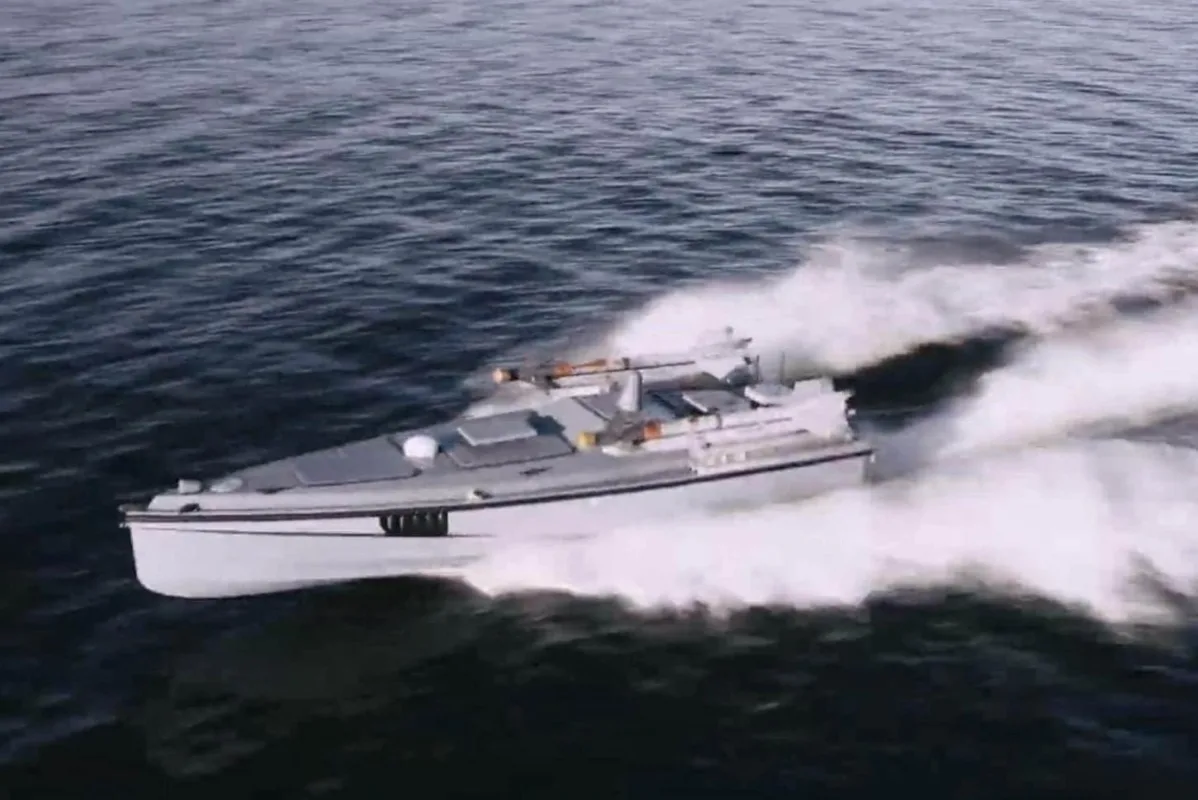

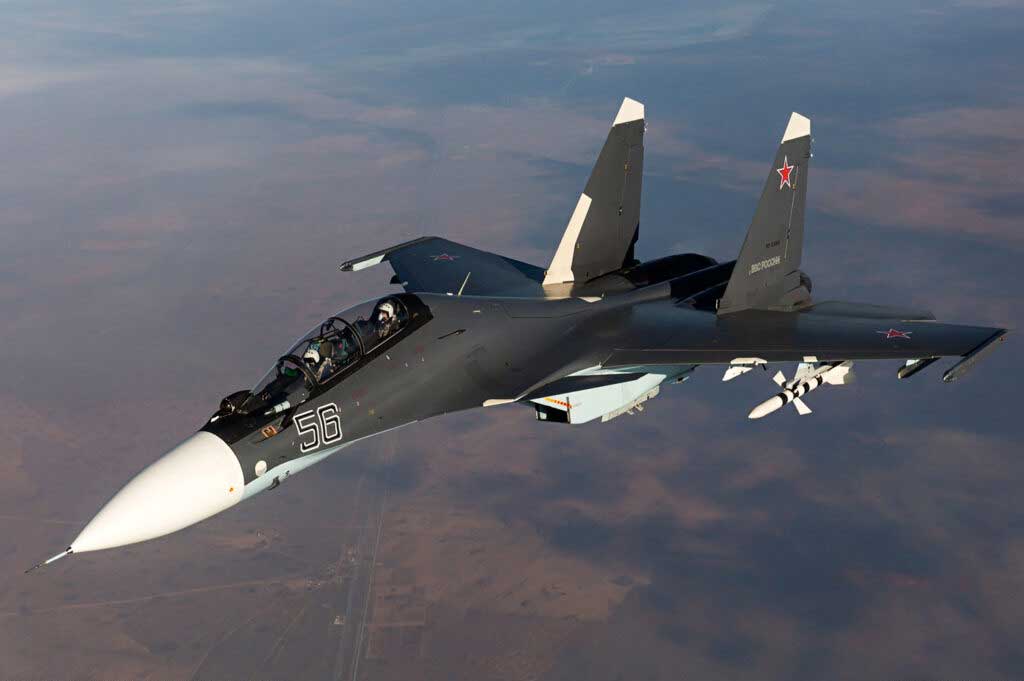
The Magura V7, the latest variant of the naval drone developed by Ukraine, has accomplished one of the most surprising military feats of recent years: the downing of two Russian Su-30 Flanker jets in the Black Sea. This unprecedented event – confirmed by General Kyrylo Budanov, head of the Ukrainian Defense Intelligence Directorate (HUR), and later by President Volodymyr Zelensky – represents the first time in history that fighter jets have been shot down by an unmanned surface vessel (USV) naval drone.
Initially, it was thought that a Magura V5 or the "Sea Dragon" version equipped with Soviet AA-11 Archer missiles had been used. However, intelligence sources and naval analyses, including Naval News, revealed that the attack was carried out by the Magura V7, a larger and more advanced model. Approximately 8 meters long, compared to the V5's 5.5 meters, the V7 features an optimized structure, a reshaped bow for better seaworthiness, and a more comprehensive sensor suite. Most importantly, it carried for the first time two AIM-9 Sidewinder air-to-air missiles of U.S. manufacture, mounted on rails that appear to be liftable for launch.

This new type of armament offers a range of up to 10 kilometers, comparable to that of the Archer missiles, but with superior reliability and precision. It is a leap in quality that transforms a naval drone from a simple kamikaze vehicle into a long-range attack platform, capable of engaging aerial targets with lethality never before seen on autonomous surface units.
A combined strategy that changes the rules of the game
The success of the Magura V7 is not only technological but also strategic. Ukraine has been able to fully exploit the integration between its naval drones and combined operations units, which unite naval special forces and intelligence. These coordinated teams operate with speed, flexibility, and, above all, in a multidomain mode, combining naval, aerial, and cyber elements into a single operational network.
The two Russian Su-30s shot down on May 2 were sent to intercept Ukrainian USVs heading towards targets in the Black Sea. But instead of finding passive targets, they encountered drones armed with air-to-air missiles, capable of returning fire and shooting them down. It is a radical change in the threat balance: what was until recently considered a low-tech means can now destroy fourth-generation fighter jets.
The Magura V7 also demonstrates an important capability for modularity: although the current main armament consists of Sidewinders, nothing excludes the possibility of alternative configurations. The absence of an explosive charge at the bow – typical of kamikaze boats – suggests that the drone can be adapted according to the mission, increasing its operational versatility. This makes it one of the most dynamic weapon systems currently deployed in the field.
The future of naval warfare and the international response
The introduction of the Magura V7 marks a turning point in contemporary naval warfare. Ukraine, despite not having a traditionally strong navy, has managed to balance forces in the Black Sea by leveraging advanced autonomous technologies. Its armed USVs are rewriting the rules of maritime engagement, forcing even major naval powers to rethink doctrines and defense systems.
The threat posed by these drones no longer concerns only ships: now attack aircraft and helicopters are vulnerable during patrol or interdiction operations. This capability radically transforms the concept of air superiority in coastal areas and confined naval theaters.
International interest in Ukrainian USVs, and particularly in the Magura V7, is set to grow. Major powers – the United States, China, the United Kingdom, and Turkey – are already working on similar systems, but the operational experience accumulated by Kyiv offers a real competitive advantage. Future conflicts will increasingly feature armed maritime drones, capable of striking with precision and at low cost, without risking human lives.
Ultimately, the Magura V7 is not just a weapon: it is a symbol of the new era of naval warfare. Ukraine, forced to innovate under the pressure of an invasion, has ended up anticipating trends that will become central in global military strategy in the coming years.



Comments
No comments yet. Be the first!