




The June 2025 NATO summit, held in The Hague, marked a significant turning point in the defense policy of member countries. With the commitment to reach 5% of GDP for military spending by 2035, NATO is preparing to face one of the greatest challenges since the end of the Cold War. The goal, however, was not decided without resistance and negotiations. The United States, under the leadership of Donald Trump, played a crucial role in imposing this policy. Trump exerted constant pressure on allies, particularly in Europe, to ensure that they too contributed more to the continent's defense, at a time of growing geopolitical uncertainty.
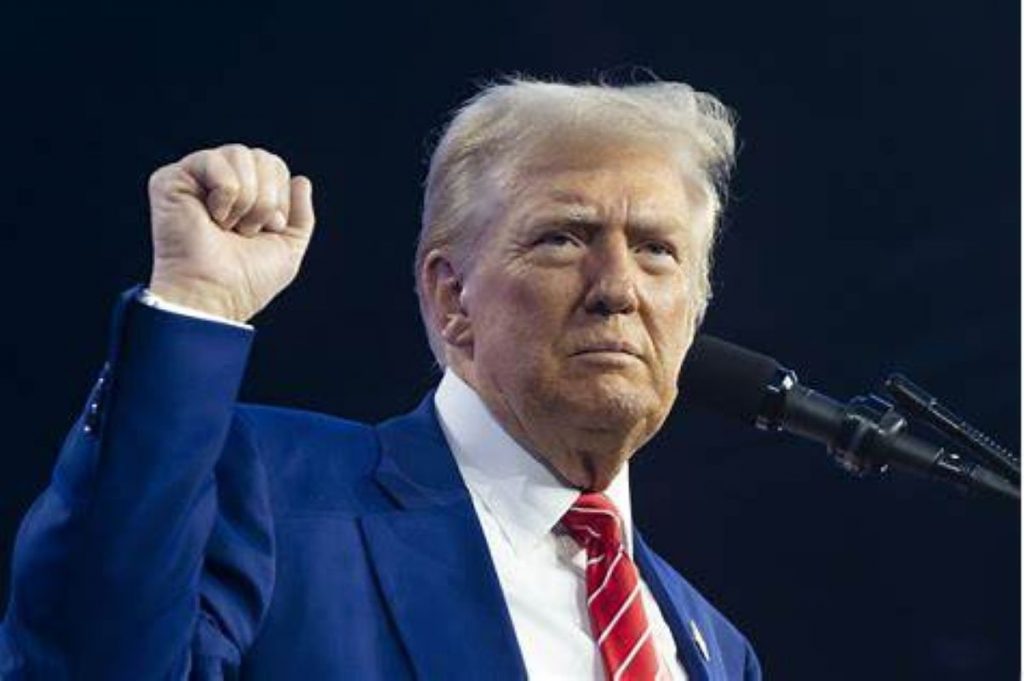
The American president has repeatedly emphasized that NATO can no longer rely solely on the United States for its security, as Washington has decided to gradually reduce its direct involvement. Emerging threats, such as those from Russia and China, have been a key factor in accelerating the push towards increased military spending. The agreement reached establishes that each country must allocate 3.5% of its GDP to traditional military spending, while 1.5% must be directed towards "dual use" technologies, such as cybersecurity systems and strategic infrastructures. This is a fundamental step towards Europe's defensive autonomy, although not without difficulties, especially in terms of national budgets and internal economic priorities.
Italy and the Challenges of Increasing Defense Spending
Italy, like other NATO members, is committed to responding to new common needs, maintaining a pragmatic approach attentive to the country's economic reality. Prime Minister Giorgia Meloni reiterated that Italy is determined to meet the commitments, adopting flexibility that allows adapting the growth path of expenses to national economic specificities. Prime Minister Meloni emphasized how, thanks to her mediation, the introduction of minimum annual increase constraints was avoided, allowing Italy to independently set the timelines for achieving the goals.

The investment plan in the armed forces is still under discussion. The most realistic estimates speak of about 60-70 billion euros over ten years, considering the distinction between spending on armaments and investments in "dual use" technologies. Italy has sought to emphasize the need to optimize available resources, giving particular importance to national industrial skills and a strategic use of resources.
The Italian government has also stressed the importance of addressing these challenges with an eye on internal priorities, such as health and education, without compromising social welfare. The government's commitment is clear: to consider security not as a burden, but as a fundamental investment for the country's stability and protection.
Exceptions and International Frictions: The Case of Spain
Another aspect that sparked discussions during the summit was the exception granted to Spain, which obtained a waiver on military spending targets, continuing to maintain spending at 2.1% of GDP. Spanish Prime Minister Pedro Sánchez successfully negotiated this waiver, focusing on other areas, such as strengthening the defense industry and adopting more advanced technologies. Despite this exception, Spain reiterated its commitment to support NATO's general objectives, but with a differentiated approach compared to other countries.

This situation highlighted frictions within the Alliance, with some countries calling for greater flexibility and others, like Italy, preferring to remain aligned with the United States' position. The discussion on military spending also raised the issue of the quality of investments. Prime Minister Meloni indeed emphasized that Italy cannot simply spend more, but must invest in modern technologies and advanced industrial skills. The war in Ukraine has highlighted how some tools, such as drones, have become essential in modern defense, and Italy must seek to orient itself towards these innovative technologies.
The course of the summit also saw continued attention to the Iranian issue, with the crisis in the Middle East continuing to influence the international strategic framework. While Italy's position on security remains solid, the internal discussion within NATO remains complex, with divergences on how to achieve common goals without compromising internal resources. This scenario, while marking a consolidation of European defense, leaves open relevant questions about the sustainability of these commitments, particularly for countries facing economic difficulties.
In summary, NATO is undergoing an epochal change, with an increase in military spending reflecting new global geopolitical challenges. Italy is working to negotiate a path that balances internal economic needs with the effectiveness of investments. In this context, the commitment towards a future of cooperation and common growth within the Alliance will become increasingly strong, contributing to strengthening relationships and achieving shared goals for the collective good.



Comments
No comments yet. Be the first!