




The hybrid war between Israel and Iran has long surpassed the boundaries of conventional conflict. In a global context where major powers confront each other on multiple fronts, the two countries have developed a war consisting of covert operations, infiltrations, targeted killings, and technological attacks. This conflict, defined as a "hybrid war," has evolved into an invisible battle, where every move is calculated and every success is claimed discreetly, yet leaving visible traces for those who know where to look.
Covert Operations: Infiltrations and Killings
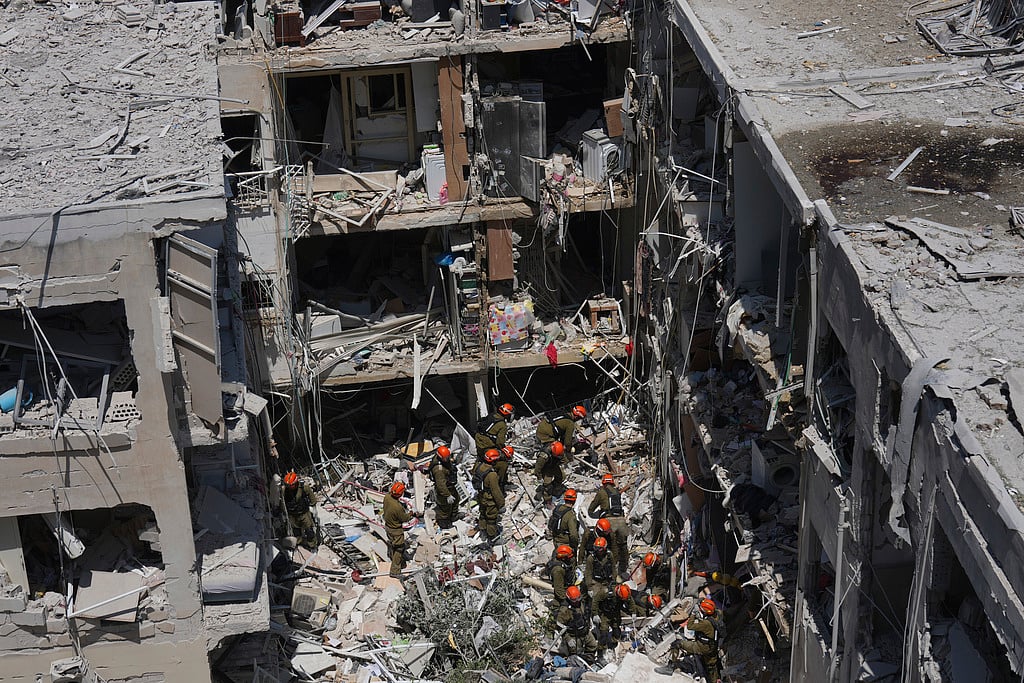
Israel has adopted a secret war approach towards Iran, executing clandestine infiltration operations to hit strategic targets, particularly in the field of nuclear research. An emblematic example of this tactic is the elimination of Iranian scientists involved in nuclear programs. The 14th Iranian nuclear scientist, Mohammad Reza Sedighi Saber, was killed in an attack in Tehran, an action that seems to be part of a series of targeted killings by Israel, aimed at decimating the scientific leadership of the Iranian nuclear program. These attacks have been carried out with advanced technologies such as missiles, drones, and modified rockets, but the exact method remains shrouded in mystery. The action against Saber, likely an aerial mission with a rocket or drone, was one of the most recent events in this long series of attacks.
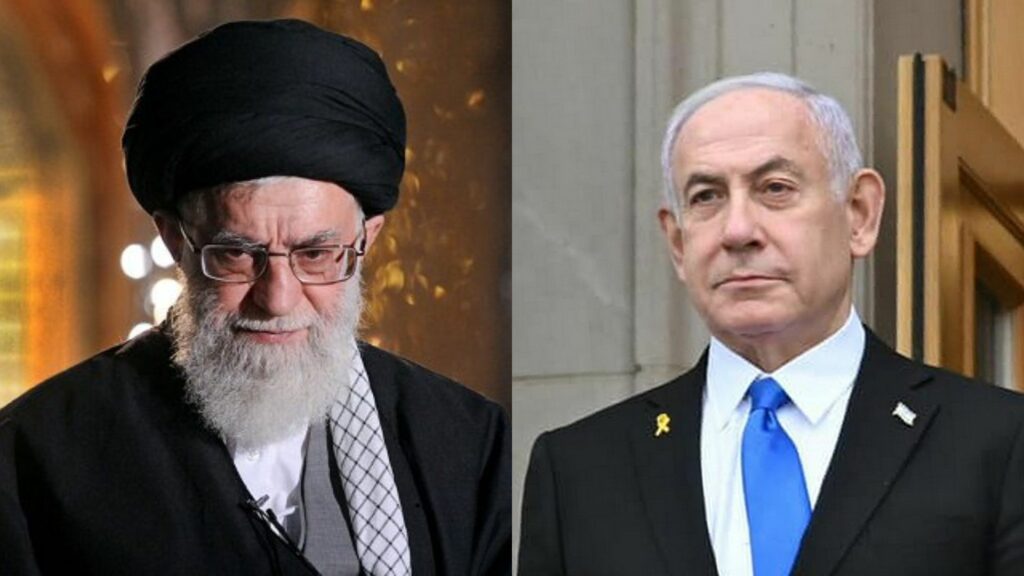
Israeli actions have had a devastating impact on Iranian nuclear research, but Tehran's response was not long in coming. To counter the infiltrations, the Iranian government has launched a crackdown campaign, hanging alleged Mossad spies and arresting dozens of people accused of collaborating with Israel. Despite these efforts, secret operations continue, and the fear of new infiltrations remains high.
The Spy Strategy: The Hunt for Infiltrations
The use of spies is another crucial aspect of the conflict between Israel and Iran. Both nations have infiltrated each other's territories and allied countries to gather vital information and sabotage enemy operations. Israel, through Mossad, has operated globally, recruiting informants and infiltrators, who have worked to decipher Iranian military secrets. On the other hand, Iran has tried to do the same, with numerous attempts to infiltrate Israeli and Western forces.
In particular, Tehran has accused the West of supporting Iranian infiltrations into its security networks. Iranian spies, mostly from Eastern Europe, have been tracked, arrested, and often paid in cryptocurrencies. In this context, the FBI has issued alert bulletins to stop sleeper cells that could carry out surprise attacks. The spy war is not limited to the Middle East but also extends to Europe, as demonstrated by surveillance operations on Israeli targets in countries like Cyprus and Greece.

The Use of Advanced Technologies: Drones and Cyberwarfare
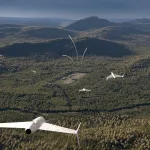
The asymmetric war between Israel and Iran is not only made of ground operations but also of advanced technologies. The conflict has seen the use of drones by Israel to eliminate strategic targets, such as Iranian scientists and military personnel. These remotely piloted aircraft have become one of the most lethal tools in Israel's hands, which has developed sophisticated surveillance capabilities to locate and strike high-value targets.
In parallel, Iran has sought to improve its cyber defense, reducing electronic communications and trying to equip itself with encrypted devices to protect its sensitive information. Collaboration with countries like China to obtain advanced security technologies has been a strategic move, but Israel's capabilities in the field of cyber warfare continue to be a strong point.
Bases and International Operations
The conflict is not limited to the Middle East. Israel has conducted covert operations in other countries, such as Cyprus and Greece, where two Azerbaijani citizens were arrested for photographing Israeli military installations. These individuals were accused of working for the Iranian government, seeking to gather strategic information on Israeli bases in the Mediterranean. The espionage operations have also extended to the United States, with the discovery of a spy network recruited by the Iranian Revolutionary Guards, ready to gather sensitive information on Prime Minister Netanyahu's family.
Washington, concerned about possible attacks, has issued warnings regarding sleeper cells, but the main challenge for Israel and its allies remains the constant flow of information from Iranian spy networks.
Conclusions: The Continuation of an Invisible War
The hybrid war between Israel and Iran is far from stopping. Despite Tehran's efforts to stop Israeli infiltrations and reduce communication capabilities, the shadow war continues, with targeted attacks, infiltrations, and covert operations. Israel, strong in its technological superiority, will continue to use drones, cyber warfare, and field operations to strike the Iranian nuclear program and other strategic threats. On the other hand, Iran, unfortunately, finds itself in a defensive position, trying to protect its secrets through increasingly draconian security measures. The shadow war is not just a military battle but a struggle of intelligence and strategy, destined to last for many more years.



Comments
No comments yet. Be the first!