During the conflict in Ukraine, numerous reports have highlighted how
Ukrainian electronic warfare systems have successfully disrupted Russian ballistic missiles, causing deviations from their targets. Recently, the Kyiv Independent reported that
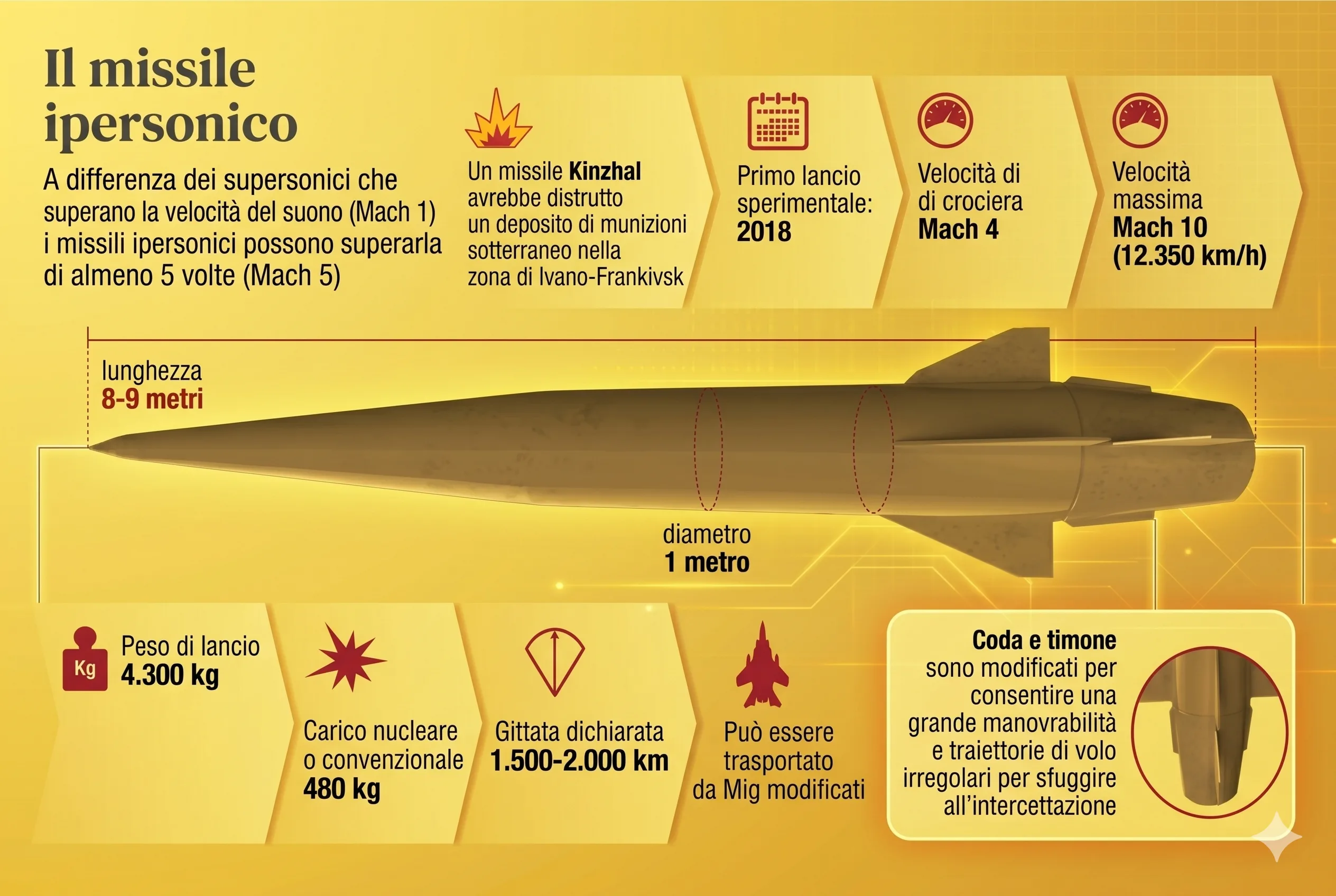
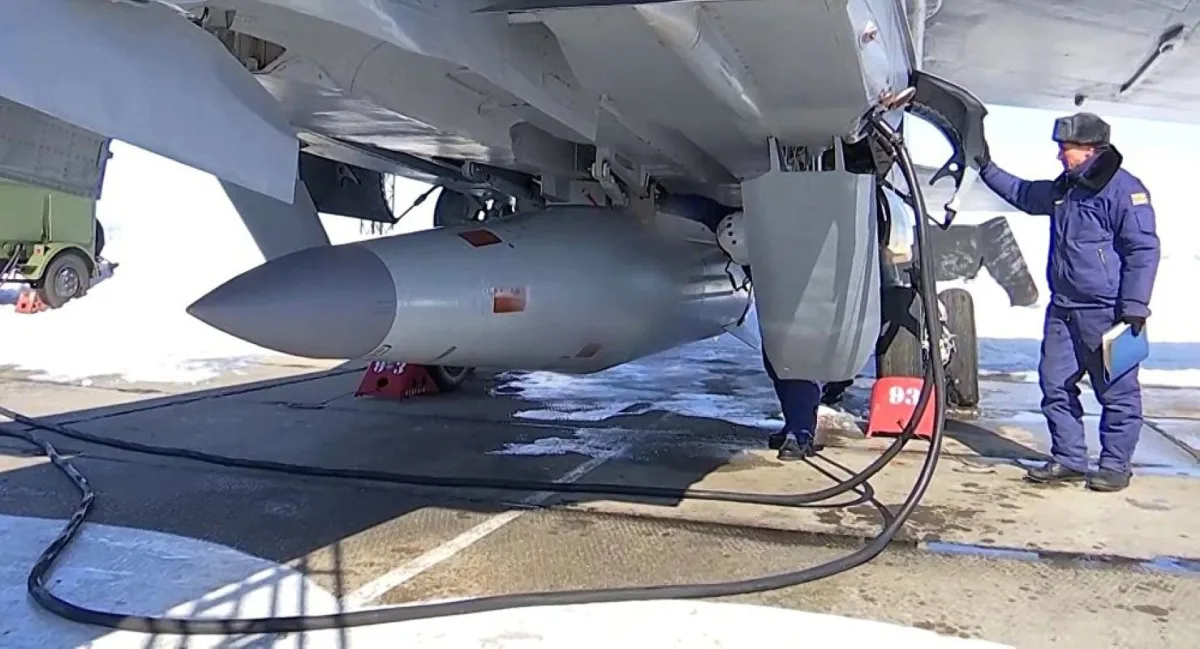
an electronic warfare setup neutralized 58 of the 59 Kh-47M2 Kinzhal ballistic missiles launched by Russia. However, the term "neutralized" might be inaccurate and deserves further analysis.
The Role of Electronic Warfare
Electronic warfare is a crucial component in modern military operations, as it allows for the disruption, deception, or neutralization of the adversary's communications and guidance systems. Electronic warfare systems use a variety of techniques, including
jamming and deception, to interfere with enemy electronic signals. In the context of the Ukrainian conflict, these capabilities have been exploited to
disrupt the guidance systems of Russian ballistic missiles, reducing their effectiveness and accuracy.
It is believed that the ability to disrupt ballistic missiles like the
Kh-47M2 Kinzhal, a hypersonic missile, is due to the advanced use of jamming equipment that can interfere with guidance and navigation signals. This type of defense offers a significant advantage, as it can prevent missiles from reaching their targets, protecting critical infrastructure and human lives.
[caption id="attachment_18229" align="alignnone" width="1024"]
Electronic Warfare: A Weapon Against Russian Ballistic Missiles?[/caption]
The Limits of Electronic Defense
Despite the reported successes, electronic warfare also presents significant limitations. The ability to interfere with missiles
depends on the frequency and power of the signals used, as well as the technology employed by the missiles themselves. Modern missiles can be designed to withstand jamming attempts, with redundant guidance systems and the ability to operate in jamming-resistant environments.
Moreover,
electronic warfare systems require constant evolution to remain effective against emerging threats. The rapid technological innovation by adversaries means that electronic countermeasures must be continuously updated to maintain their advantage. This represents a significant challenge in terms of resources and technological development.
Strategic Implications and the Future of Electronic Warfare
Electronic warfare capabilities will likely play an increasingly central role in future military operations, influencing defense and attack strategies. The ability to disrupt advanced weapon systems like hypersonic missiles can alter the balance of military power, providing countries equipped with such technologies a significant strategic advantage.
Looking to the future, it is likely that nations will increasingly invest in
research and development of electronic warfare technologies, seeking to improve the jamming and protection capabilities of their systems. International cooperation could play a crucial role, facilitating the exchange of information and technologies among allies to strengthen common defenses against ballistic threats.
In summary, while electronic warfare has proven to be a valuable asset in defense against ballistic missiles, its capabilities and limitations must be carefully assessed and continuously developed to address future challenges.









Comments
No comments yet. Be the first!