


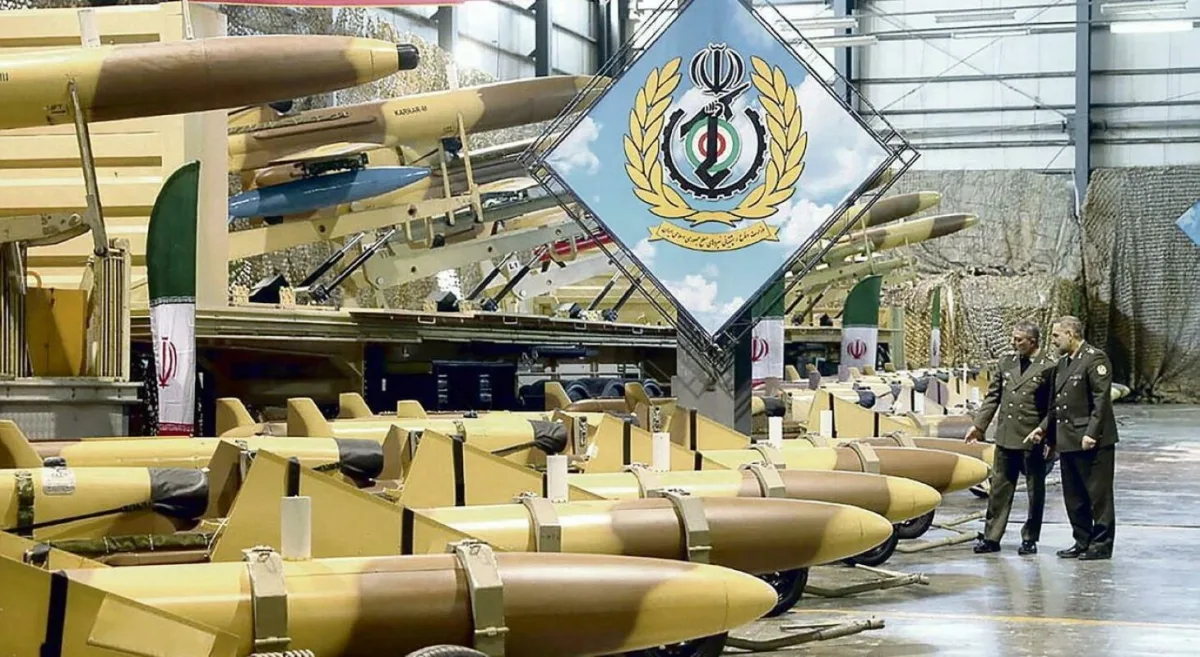

The recent attack launched by Israel against Iran has profoundly shaken the geopolitical landscape of the Middle East. Israel has initiated an unprecedented offensive aimed at stopping the advancement of the Iranian nuclear program and neutralizing some of the country's most powerful military figures. The operation, named "Operation Rising Lion," was described by Prime Minister Benjamin Netanyahu as an action that will last several days. This attack saw the deployment of 200 Israeli fighter jets, marking a significant escalation of tensions between the two countries.
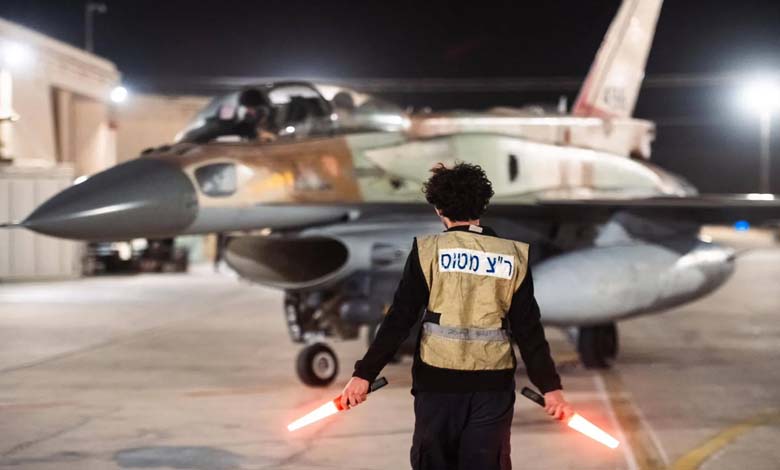
The strategy of explosive drones and the role of the Mossad
According to Israeli security sources, the Mossad played a central role in planning the operation. Israeli security revealed that the Mossad had set up a base inside Iran for launching explosive-laden drones, which had been introduced into the country well in advance and activated during the attack. These drones were used to strike missile positions at a base near Tehran, deemed a direct threat to Israel. Meanwhile, Mossad commando units operated in central Iran, deploying precision-guided weapon systems near Iranian surface-to-air missile batteries.
Attack on nuclear targets and Iranian military leaders
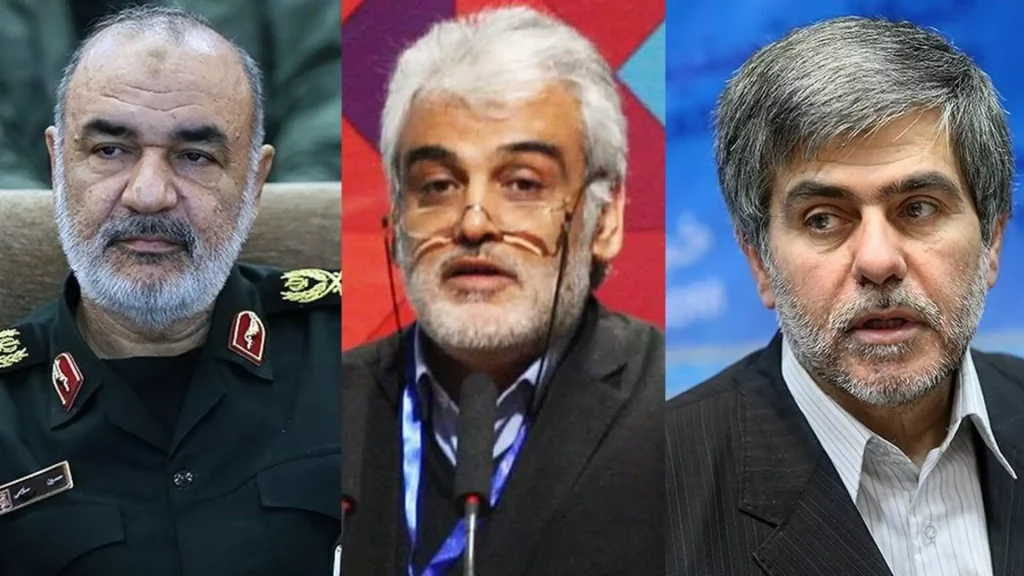
During the Israeli attack, some of Iran's highest military officers were killed. Among the victims were General Hossein Salami, commander-in-chief of the Islamic Revolutionary Guard Corps (IRGC), and Major General Mohammad Bagheri, chief of staff of the Iranian armed forces. The death of these leaders represents a severe blow to the Iranian leadership, already tested by international sanctions and previous Israeli operations.
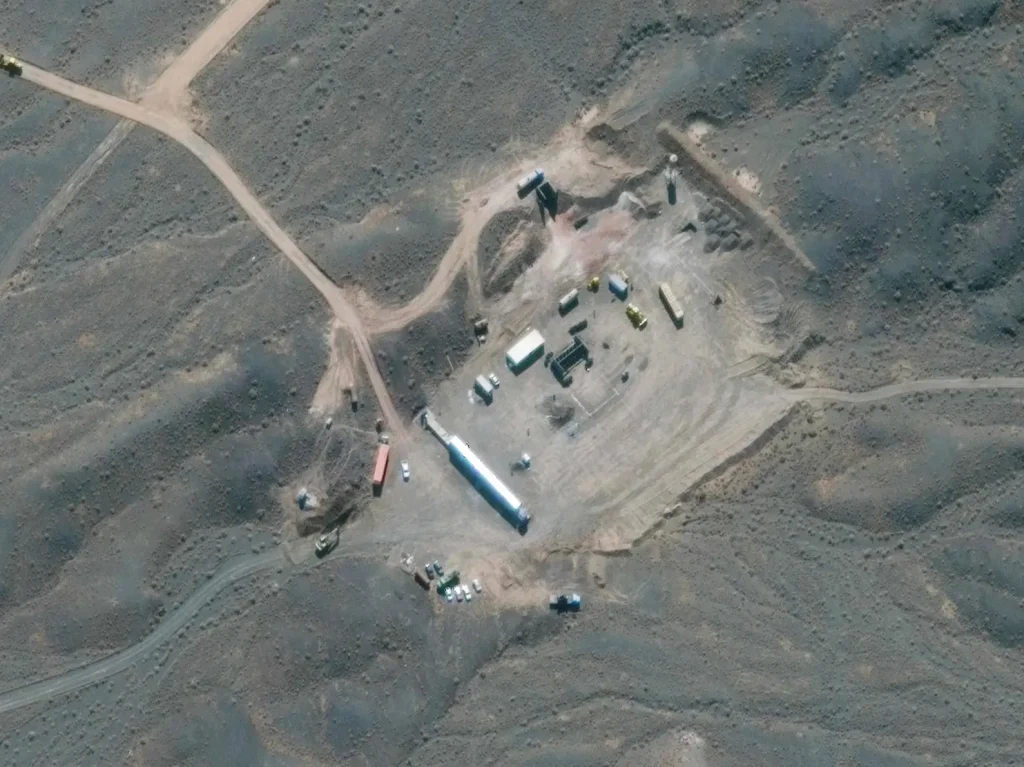
According to Netanyahu, the operation aimed to "strike at the heart of the Iranian nuclear program." Among the targets hit were the main enrichment facility at Natanz and its nuclear scientists. The Iranian source Tasnim confirmed the death of six nuclear scientists, emphasizing that the Israeli attack further weakened the country's nuclear capabilities.
Following the attack, Iran launched more than 100 drones against Israeli territory, which were promptly intercepted by Israeli defense. Iranian forces have threatened that Israel will pay "dearly" for the operation, while Iran's supreme leader, Ayatollah Ali Khamenei, has promised that Israel will face "severe punishments."
The risk of a broader regional war
Israeli operations against Iran seem to mark a point of no return. Israel has always considered Iran an existential threat, as Tehran refuses to recognize Israel and has developed alliances with hostile armed groups, such as Hezbollah in Lebanon, Hamas in Gaza, and the Houthis in Yemen. With Iran now engaged in a nuclear escalation, the possibility of a broader regional war has become concrete, with the risk that the United States may become involved in the conflict, given their close ally in Israel.
Former U.S. President Donald Trump warned Iran, emphasizing that the country must reach a nuclear deal "before there is nothing left to negotiate." Trump suggested that the next Israeli attacks could be "even more brutal," heightening tension in the region.
Satellite images and social media reports show that the Natanz site, Iran's main uranium enrichment center, was severely damaged. Despite statements from Iranian authorities who spoke of "superficial" damage, the damage to Natanz's underground facilities remains uncertain. However, the director of the International Atomic Energy Agency (IAEA), Rafael Grossi, confirmed that there were no increases in radiation levels, indicating that the underground part of the facility remained intact.

The geopolitical context and international reactions
The whole world is watching with apprehension the consequences of this attack. While some countries, such as Saudi Arabia and China, have condemned the Israeli operation, other countries are waiting to see how the situation will evolve. The crisis could have repercussions throughout the region, especially if Iran responds with a series of military reprisals or through its regional allies. The situation remains highly unstable, and the intensification of the shadow war between Israel and Iran could lead to an open conflict with global implications.
The Israeli operation against Iran has triggered a new phase in the conflict, with implications that go far beyond the region's borders. The death of high-ranking Iranian commanders and the attack on nuclear sites mark a significant turning point in the shadow war that has been going on for decades. With the possibility of Iranian retaliation and the ongoing evolution of the situation, the Middle East area is now on the brink of a larger-scale war.



Comments
No comments yet. Be the first!