



The Russian-Ukrainian conflict is no longer limited to the military front or diplomatic confrontation: it has increasingly transformed into a hybrid war where the domain of intelligence plays a central role. This is demonstrated by the recent lightning operation conducted by the Security Service of Ukraine (SBU) in Kyiv, culminating in the neutralization of a Russian Federal Security Service (FSB) cell in just 72 hours.

The operation, which took place following the killing of Colonel Ivan Voronych in the Holosiivskyi district, marks a new phase in the conflict: not only clashes on the ground but also targeted assassinations, infiltrations, and sabotage, conducted by undercover secret agents. According to investigations, the victim had been carefully monitored by two FSB agents – a man and a woman – tasked not only with tracking Voronych's movements but also with executing the elimination plan using a silenced weapon.
Coordinating the Ukrainian response was General Vasyl Malyuk, director of the SBU, who worked in close synergy with the Kyiv police. The intelligence work was swift and precise: the suspects were located in less than three days, and an operation for their capture was immediately launched, culminating in a shootout that led to the elimination of the Russian agents. The decision to proceed with the armed intervention, although risky, found legal coverage in Article 348 of the Ukrainian Penal Code, which legitimizes the use of force to protect state public officials.
HUMINT and SIGINT: Tools of Modern Counterintelligence
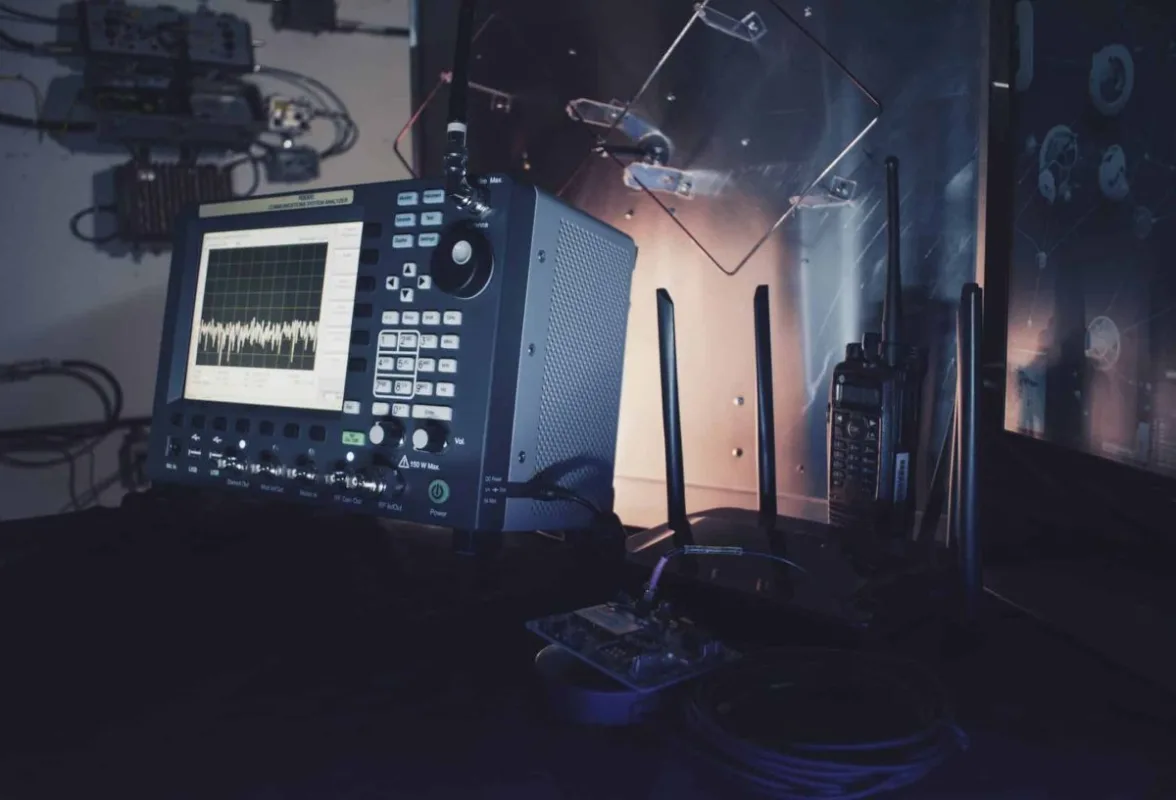
The SBU's action highlights a qualitative leap in the operational capabilities of Ukrainian intelligence. In a hybrid war context, where there are no clear fronts or easily recognizable uniforms, information gathering becomes crucial. The Kyiv operation stood out for its effective combination of HUMINT (Human Intelligence) and SIGINT (Signals Intelligence), two essential pillars of modern secret warfare.

Through HUMINT, the SBU was able to rely on reliable human sources capable of providing information on the movements and identities of the suspects. Simultaneously, the use of electronic interception technologies – from urban surveillance systems to phone taps – allowed for the precise location of FSB agents and anticipation of their moves. The result was a targeted, swift, and legally framed action that neutralized a threat without causing collateral damage.
General Malyuk described the operation as a strategic success, emphasizing that only permanent cooperation between law enforcement and security apparatuses can contain Russian clandestine activities. In a conflict where Moscow continues to invest in unconventional operations – sabotage, disinformation, political assassinations – the Ukrainian response is adapting with increasing effectiveness, transforming the SBU into a central actor in national defense.
The SBU as a Pillar of Ukrainian Resistance
Since the beginning of the so-called Russian "special military operation," the Ukrainian Security Service has progressively expanded its role, evolving from a simple counterintelligence structure to an offensive body capable of operating on multiple levels: intelligence, internal security, operations in occupied territories, and cyber activities. According to official sources, about 85% of hostile operations planned by Moscow are now intercepted and neutralized before they can be executed.
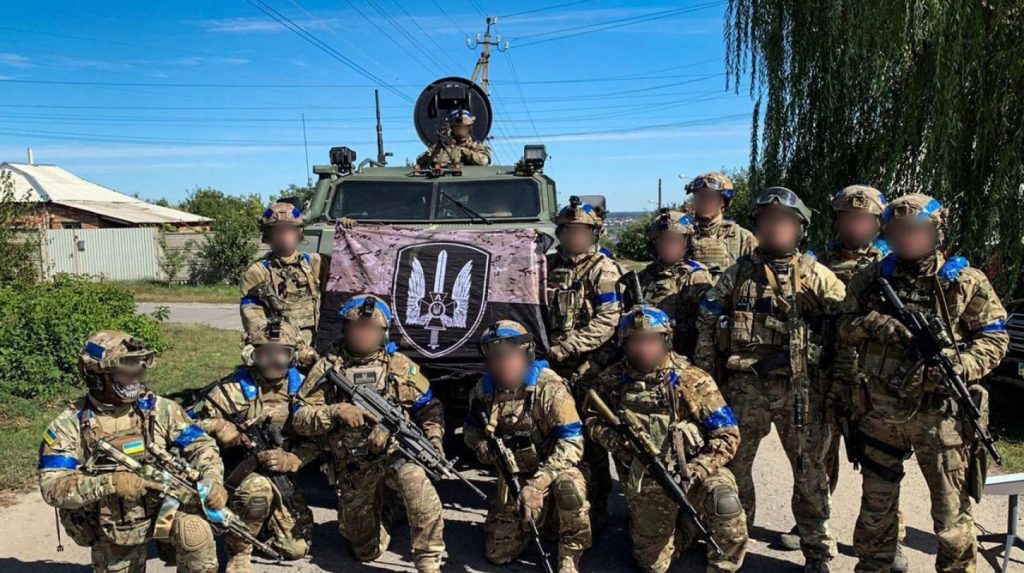
This figure, impressive if confirmed, reflects the structural and technological adaptation of the SBU, made necessary by the evolution of the conflict. In a densely populated urban environment like Kyiv, and in the presence of a threat hiding among civilians, the quality of the information gathered and the speed of response become decisive. In this context, intelligence is not just a tactical tool but a key element of the Ukrainian state's survival strategy.
The action from July 10-13 against the FSB cell shows how Ukraine is not just a passive theater of foreign infiltrations but also a capable subject of responding, adapting, and striking. The fight against Russian subversive activities today is not only played out along the trenches of Donbass or in European diplomatic meetings but also in the hidden corners of cities, in the servers of communication networks, in the silences of undercover agents. And in this secret war, the SBU seems to have found its ground of excellence.



Comments
No comments yet. Be the first!