


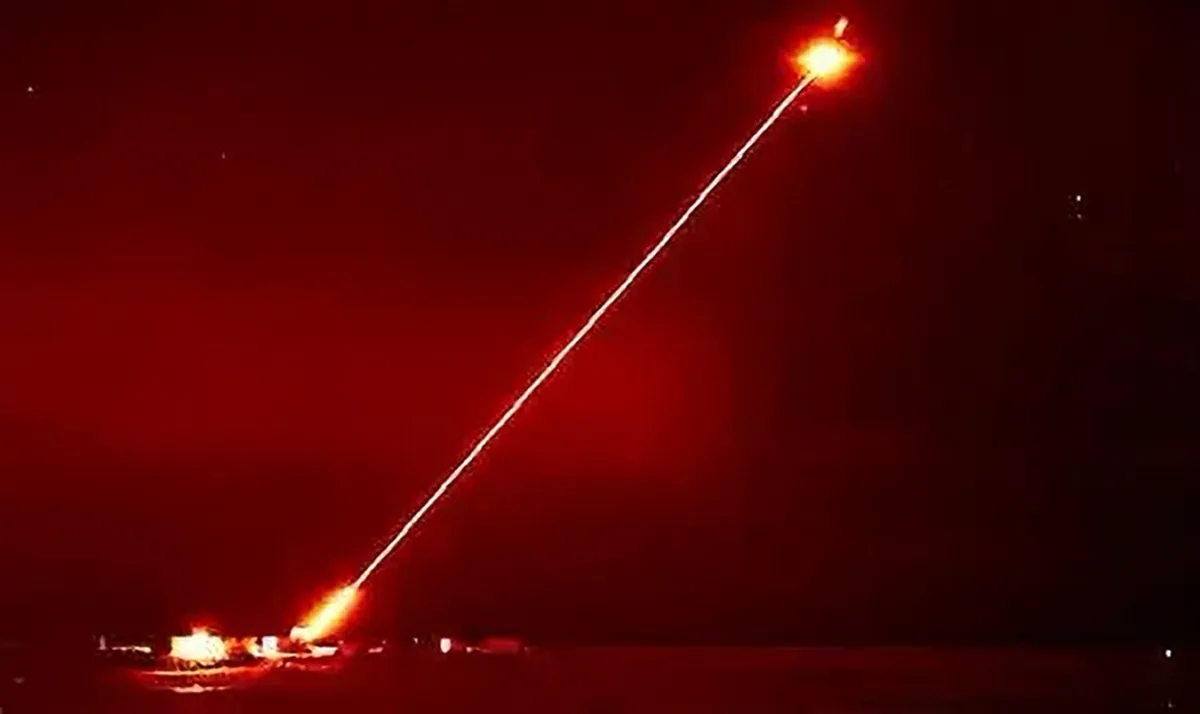

The United Kingdom is making significant strides in the field of advanced weaponry with the DragonFire laser system, one of the most promising innovations for the future of defense. This system, which has been successfully tested off the Scottish coast, is set to become operational on Royal Navy ships by 2027. DragonFire represents the culmination of years of research and development, with the UK Ministry of Defence (UK MoD) and a consortium of private sector companies such as MBDA, Leonardo, QinetiQ, and the Defense Science and Technology Laboratory (Dstl) having invested over 100 million pounds in this project.
DragonFire is designed to take down small targets, such as drones, with impressive precision from distances over 5 kilometers. The ability to hit these targets with a single beam of light makes the weapon extremely cost-effective: the cost of a single "shot" is less than 10 pounds (about 12 euros), a negligible amount compared to the millions of pounds required to launch missiles or artillery shells. With this innovation, the United Kingdom aims to drastically reduce the costs of military operations while maintaining a high response capability against modern threats like drones.
The system will be installed on four Royal Navy units, including the Type 45 destroyers and the new Type 26 frigates, which are currently under construction. The implementation of DragonFire on these ships underscores the growing importance of directed energy weapons in modern defense strategies, aimed at protecting strategic resources, particularly against emerging threats such as drone attacks.
What is the DragonFire laser, the weapon that destroys aerial targets with absolute precision
DragonFire is a high-energy laser cannon developed and tested in the United Kingdom, where it recently demonstrated its ability to take down aerial targets with absolute precision at over 3 kilometers away. This directed energy weapon system (LDEW) is designed to provide short-range air defense and close protection for military ships, an innovative and powerful response to modern threats like armed drones.

DragonFire was developed by a consortium of companies, including MBDA, Leonardo UK, QinetiQ, Arke, BAE Systems, Marshall, and GKN, and recently completed a successful test at the Porton Down range in Wiltshire. During the test, the system managed to track, aim, and destroy a drone over 3 kilometers away, demonstrating its infallibility. With a 50 kW laser beam, DragonFire can hit much smaller targets, the size of a coin, traveling at the speed of sound, with millimeter precision.
The system is integrated into a turret that facilitates target acquisition at various distances and under different weather conditions, both on land and at sea. DragonFire is designed to neutralize aerial and maritime targets with exceptionally high precision, using a combination of advanced technologies, including glass fibers to generate the powerful laser beam and a precise tracking system, which includes an electro-optical camera and a second low-power laser. The system's energy needs are met by an innovative flywheel energy storage system (FESS), developed jointly by the United Kingdom and the United States.
The UK's strategic commitment: a long-term vision for defense
The United Kingdom is pursuing a long-term vision for defense, focusing on technological innovations like DragonFire to maintain global strategic superiority. The implementation of the laser system on Royal Navy ships is just one example of the central role that directed energy weapons are assuming in defense strategies. With the increase in drone attacks, which are now a constant threat, British defense is preparing to face increasingly sophisticated and complex challenges.
The decision to allocate significant resources to the DragonFire program, with the aim of putting it into mass production, reflects the importance that the UK government places on these advanced technologies. The laser weapon is seen as an ideal solution to modern threats, thanks to its ability to take down targets with minimal operational costs and without generating significant collateral damage. The growing importance of DragonFire in British national defense is also linked to the increase in defense spending, which is expected to reach 2.5% of GDP by 2027, with an investment of 2.2 billion pounds aimed at strengthening the country's defensive capability.
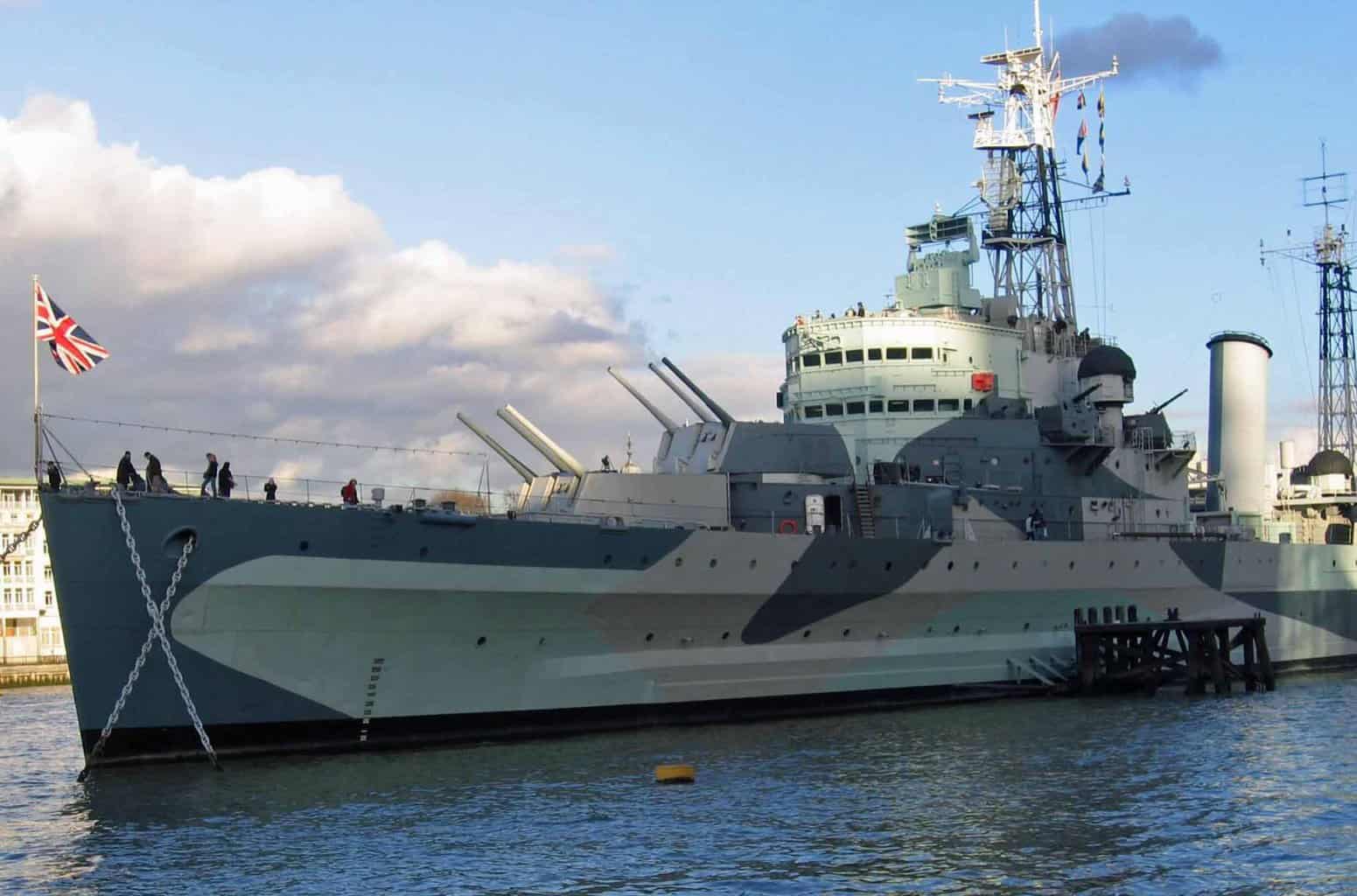
Although the laser weapon represents an important step in the modernization of the British armed forces, there are still challenges to be faced, such as the precise calibration of the beam and operational difficulties in adverse weather conditions. But with the right investments, the implementation of DragonFire on UK warships represents a major step towards a future where advanced technologies are at the forefront of national security protection.
In conclusion, the United Kingdom is implementing a defensive strategy that aims to combine technological innovation with long-term strategic investments. DragonFire will help ensure that the country remains prepared to face future challenges, consolidating its position as an advanced military power on the global stage.






Comments
No comments yet. Be the first!