


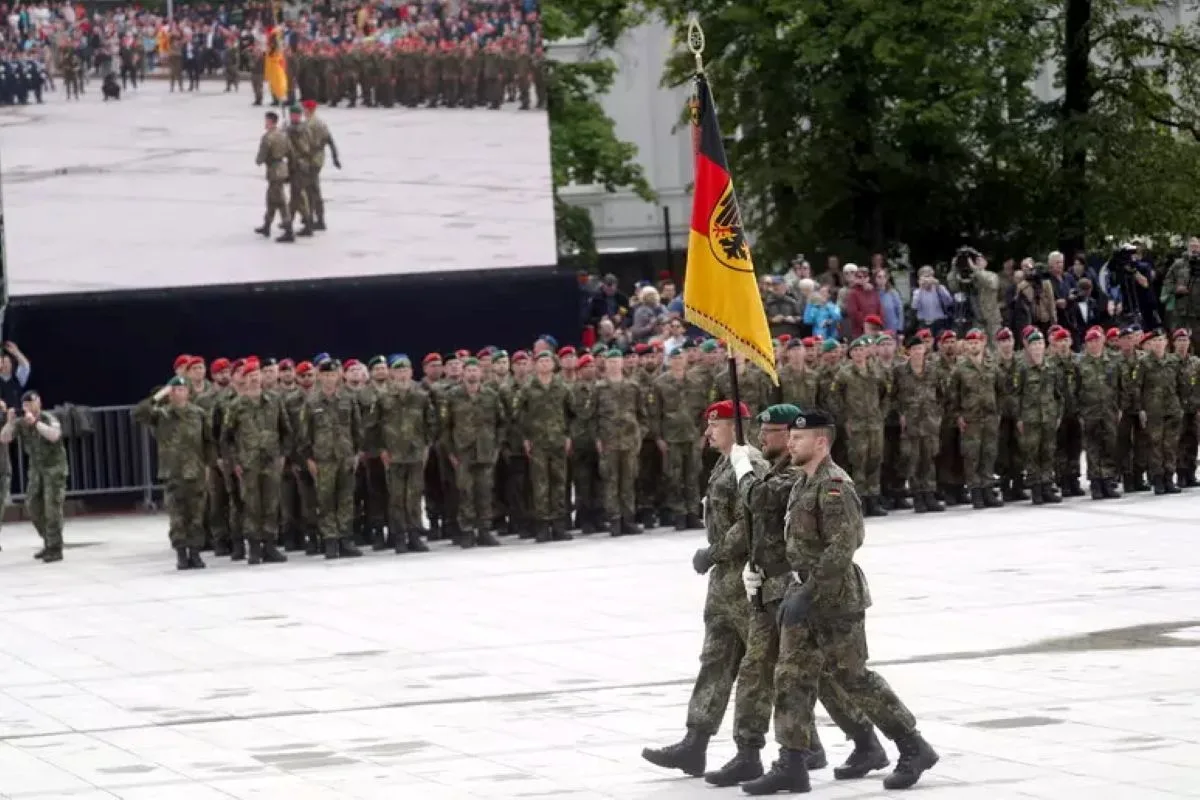

In recent years, Germany has initiated a series of discussions and initiatives aimed at reforming its military recruitment system. After the suspension of compulsory conscription in 2011, the German government sought to replace it with an army exclusively based on volunteer soldiers. However, with new geopolitical challenges and the growing need to strengthen the armed forces, Defense Minister Boris Pistorius is now proposing the possibility of reintroducing compulsory conscription, at least as an option in case of necessity.
The current military service reform is primarily based on voluntariness, as indicated in the coalition agreement between CDU, CSU, and SPD. The government's goal is to create a "new attractive military service," capable of attracting a sufficient number of young people who choose to pursue a career in the armed forces. However, Minister Pistorius has emphasized the need to prepare for a possible reintroduction of compulsory conscription if voluntary recruitment is not sufficient to cover the needs of active personnel and reservists. The proposed law, which is expected to be presented at the end of August 2025, includes this possibility, providing that, in case of a shortage of voluntary recruits, the government may activate compulsory conscription to meet the growing demand for soldiers.
Target of 60,000 more recruits and 200,000 reservists
Pistorius's proposal foresees a significant increase in the number of active-duty soldiers, with the goal of raising the current 181,000 personnel to 203,000, aiming to reach about 260,000 soldiers in the coming years. The need to recruit at least 60,000 more soldiers fits into a context of growing geopolitical uncertainty, where Germany, as a NATO member, must ensure its national security and contribute to international operations. Additionally, the proposal aims to form a contingent of at least 200,000 reservists, a number that currently hovers around 34,000. To achieve these goals, the government has launched several initiatives to make voluntary military service more attractive, such as the creation of trial campuses, social media campaigns, and the introduction of a national veterans day, all aimed at raising awareness among young people about the benefits of a military career. However, despite these efforts, the results are still insufficient: the number of applications has increased by 19% compared to the previous year, but recruitment still fails to cover all the needs of the armed forces.
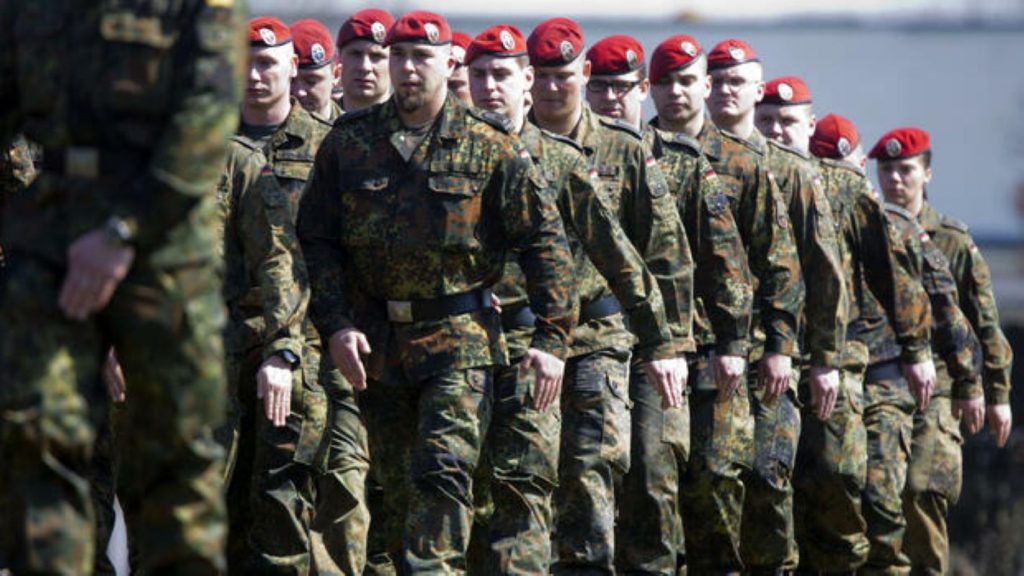
In response to difficulties in voluntary recruitment, Minister Pistorius announced that the reform law must also provide for an “emergency solution,” namely the possibility of activating compulsory conscription if the number of volunteers is not sufficient to meet the needs of active personnel and reservists. Although the number of applications is increasing, many candidates are not eligible, and about 20,000 recruits dropped out in 2024. To make military service more attractive, the government plans economic incentives, such as better housing conditions, and a data collection system that requires all male citizens aged 18 to declare their availability, while participation for women will be voluntary. If the number of voluntary recruits is not sufficient, compulsory conscription will come into effect to cover the need for soldiers, thus ensuring that Germany can promptly respond to national security needs.
A broad political debate and future challenges
The proposal to reintroduce compulsory conscription has sparked a broad political debate in Germany. The proposal has received support from government figures such as Jens Spahn (CDU) and Markus Söder (CSU). Some SPD members, however, have suggested that compulsory conscription could be discussed more concretely in the next legislature. Even the Finance Minister and Vice-Chancellor, Lars Klingbeil, acknowledged that Germany might need to prepare for the possibility of reintroducing compulsory conscription as an emergency measure if necessary.
Meanwhile, the German government has initiated a significant increase in defense spending, which will reach 3.5% of GDP by 2029. This increase in defense resources has been motivated by the growing threat posed by Russia and the need to strengthen the German armed forces to ensure national security and stability in the Euro-Atlantic area.
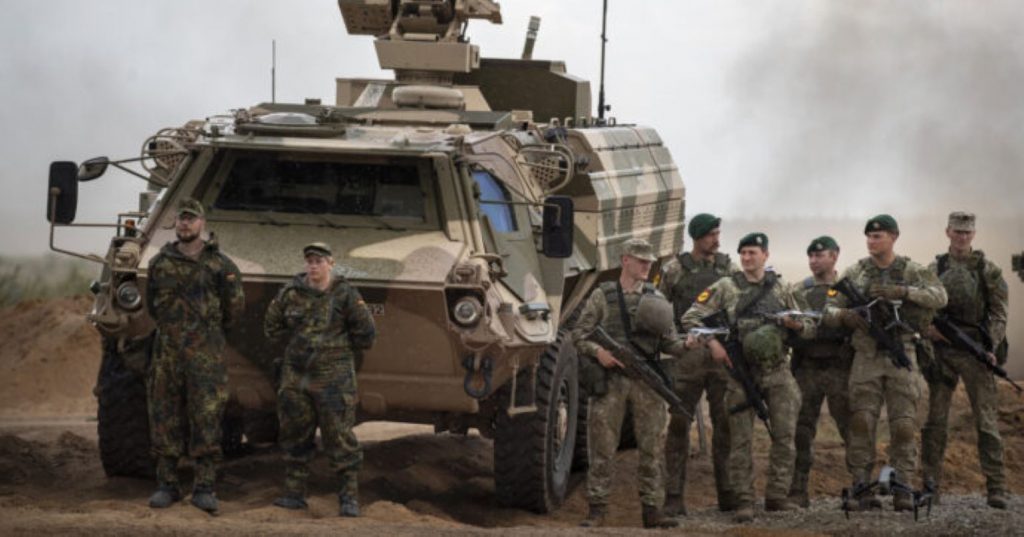
The reform of military service in Germany marks an important step towards a more modern and responsive defense. Although voluntariness remains the cornerstone, the possibility of reintroducing compulsory conscription represents a response to international security challenges and recruitment difficulties. If the proposal is approved, Germany will have a more flexible defense system, capable of quickly adapting to emerging needs and ensuring the preparedness of the armed forces for future challenges.





Comments
No comments yet. Be the first!