




On May 15, 2025, the United Kingdom and Germany officially confirmed that they will collaborate to develop an advanced weapon with a range of over 2,000 kilometers. This project marks a significant milestone in defense cooperation between the two countries, established by the Trinity House Agreement, a bilateral agreement signed in October 2024. The announcement, following this historic agreement, demonstrates how both nations are ready to enhance European security and stimulate domestic economic growth through technological innovations in the defense sector.

The New Project: Deep Precision Strike
The new missile system, named “Deep Precision Strike”, represents one of the most advanced long-range attack capabilities ever designed by the United Kingdom. This missile, which is planned to be developed jointly between the two countries, will have a range exceeding 2,000 km, aimed at strengthening NATO's deterrence and protecting European security. As highlighted by the British government, the project will help boost the defense sectors both in the UK and Europe, creating jobs and stimulating investments in advanced technologies.
This development occurs in a changed geopolitical context, with Donald Trump's return to the presidency of the United States and the consequent call for greater responsibility by Europe in its own defense. The missile announcement was made during a summit in Berlin, where the Defense Ministers of Germany and the United Kingdom, Boris Pistorius and John Healey, also discussed other joint initiatives, such as the purchase of torpedoes for maritime patrol aircraft and the supply of British military bridges to Germany.
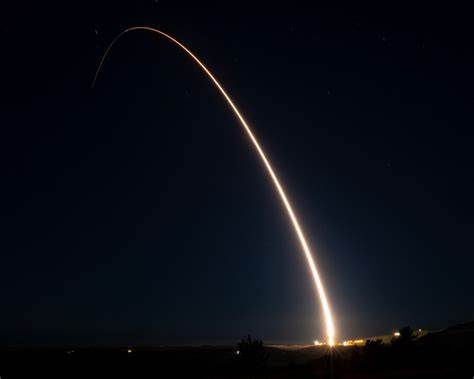
The Missile Specifications
No precise details have been provided about the type of missile to be developed, but it is speculated that the “Deep Precision Strike” could be either a ballistic missile or a cruise missile. The growing Russian threat on NATO's eastern flank has pushed member countries, particularly European ones, to invest in long-range attack capabilities to strengthen their security. This initiative is part of a broader strategy that includes collaboration among various European nations, such as France, Italy, and Poland, under the European Long-Range Strike Approach (ELSA) project, aimed at developing long-range attack capabilities.
Currently, among the European NATO member countries, only Turkey possesses a conventional ground-launched missile with a range exceeding 300 km: the Bora ballistic missile. In comparison, Russia possesses much more powerful long-range missiles, launched from ground, air, and sea, including missiles capable of carrying nuclear warheads. The superiority of Russian missile systems has raised the need to enhance European defense capabilities, and the Anglo-German project represents a fundamental step in this direction.
Anglo-German Cooperation and Other European Agreements
The Anglo-German agreement is part of a context of growing cooperation among European nations. The European Long-Range Strike Approach (ELSA), launched in 2024, has seen the participation of several countries, including the United Kingdom, Germany, France, Italy, Poland, and Sweden. Although no further details have been revealed about the types of missiles to be developed, the goal is clear: to equip with long-range attack capabilities to counter threats from Russia and strengthen NATO's defensive posture in Europe.
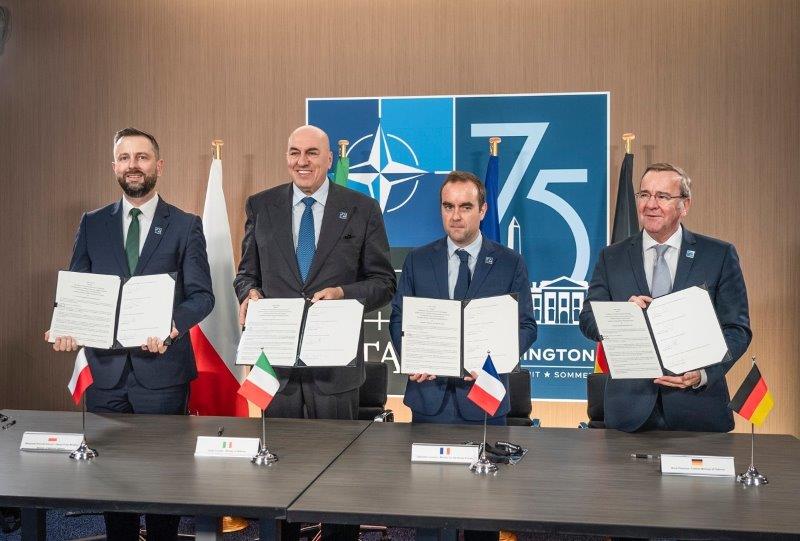
The “Deep Precision Strike” project represents a significant step in the European defense strategy, highlighting the importance of cooperation among NATO member countries. The collaboration between the United Kingdom and Germany not only strengthens NATO's deterrence but also contributes to stimulating the defense industry, creating jobs, and promoting technological innovation. In an increasingly unstable world, initiatives like this are crucial to ensuring the security and stability of the European region.






Comments
No comments yet. Be the first!