


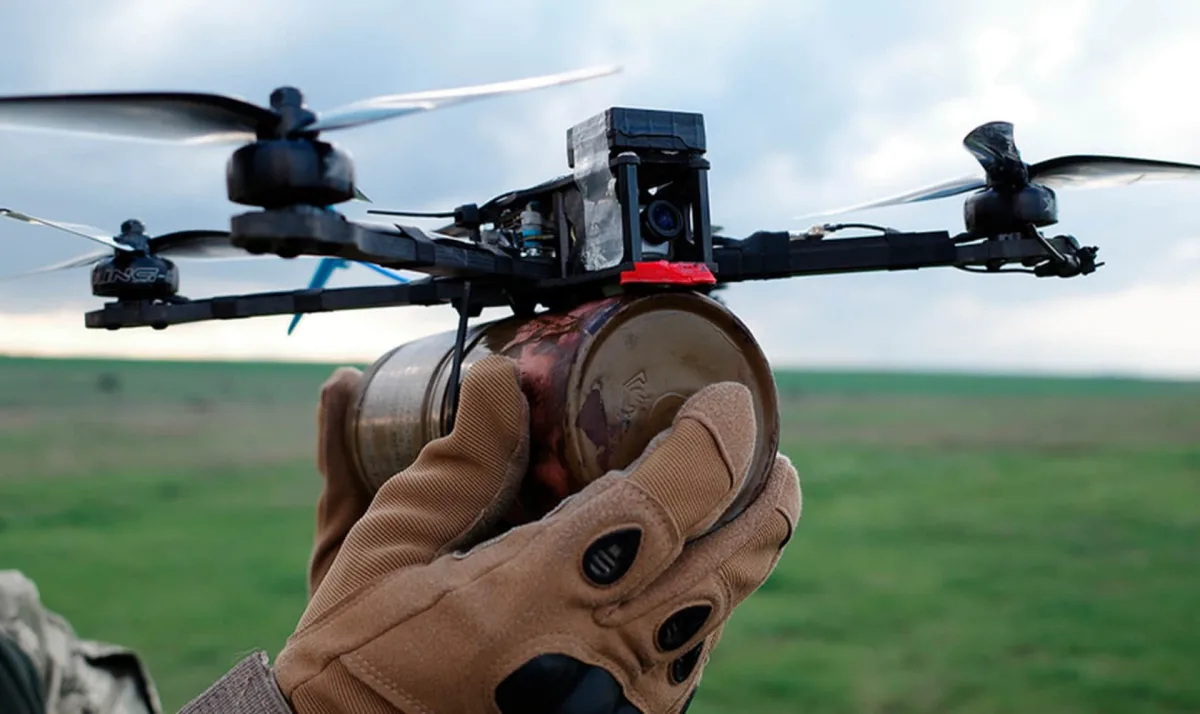

In a context where electronic supremacy is crucial, the ability to operate in total radio silence has become a fundamental tactical asset. For this reason, both Russian and Ukrainian armed forces have begun to employ FPV (First Person View) drones equipped with fiber optic links instead of radio frequency. This measure allows them to bypass electronic countermeasures and drastically reduces detectability by passive radars.
The technology, first introduced by the Russians in the spring of 2024, has quickly spread among Ukrainian armed forces as well, particularly in elite units operating in urban scenarios and environments with high radio interference density.
FPV drones equipped with fiber optic links offer an estimated success rate of around 50% in direct attack missions, a remarkable result in operational terms. However, these are very delicate systems: the slightest imperfection in maneuvering or a pilot error can cause the cable to break or the loss of control of the vehicle. In some cases, there have been incidents with accidental detonations due to incorrect maneuvers.
Limited Production and Logistical Challenges
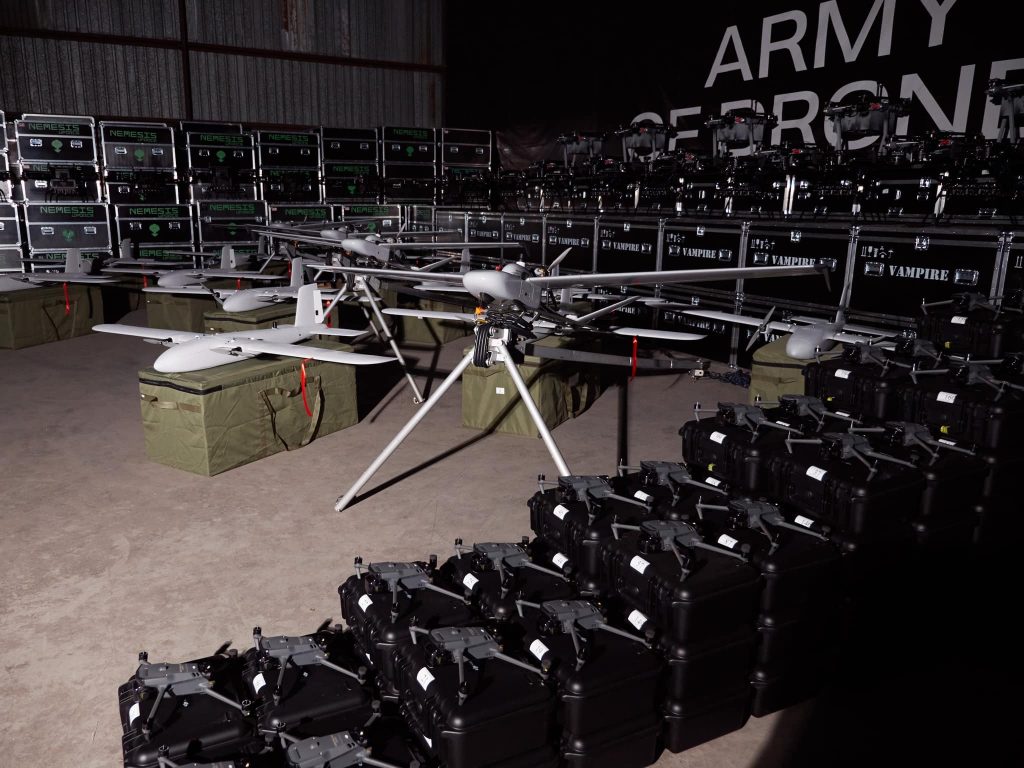
Despite the advantages, the availability of these drones is still limited. Less than 5% of FPV drones used in the field in Ukraine are equipped with fiber optics, mainly due to the scarcity of reliable manufacturers and long waiting times for quality models. Initially, many systems distributed on the market were assembled with low-quality Chinese components, resold without the necessary technical expertise. Only a few local manufacturers have adapted the technology to real operational needs over time, improving its effectiveness.
The average price of an FPV drone with fiber optics and an operational range of up to 10 km is currently around $1,200. However, the more advanced versions can cover distances up to 15 or 20 km, while some Russian models have already reached 30 km.
Radio Frequencies in Crisis
At the same time, FPV drones with radio control continue to suffer from the effects of Russian electronic warfare, including frequency overload and active jamming. In some cases, the probability of reaching the target drops to 30%, especially in complex urban environments or in the presence of strong countermeasures.
To overcome these difficulties, radio repeaters are strategically placed on top of buildings or elevated points to ensure a stable channel for the signal. However, the increasing density of drones in flight leads to overcrowding of the radio spectrum, further complicating coordination between units.
The Russian Advantage in Electronic Warfare
Russia has demonstrated a remarkable ability to quickly enhance and deploy new electronic countermeasures. Once a jamming or interference technique is developed, it is implemented systemically across the front. Countermeasures continuously evolve, making it difficult to maintain a constant technological advantage.
Ukrainian forces are responding by improving component quality, increasing transmitter power, and experimenting with innovative solutions to ensure operational continuity for their drones.
Future Prospects and Challenges
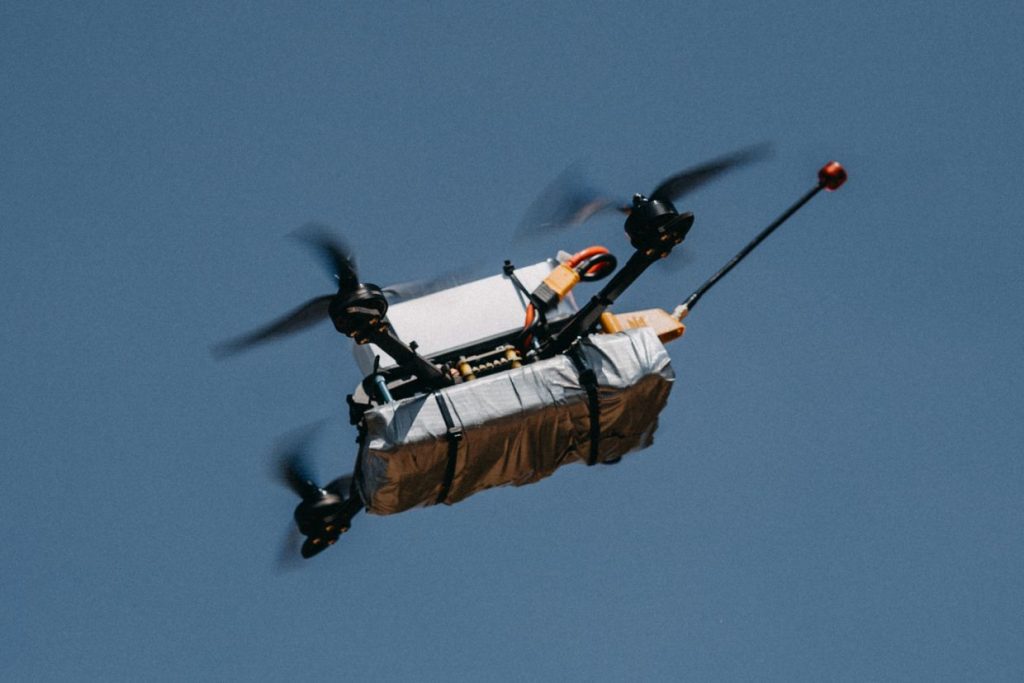
Fiber optic technology represents a strategic frontier of the conflict. But widespread adoption requires state-level planning, investments in the national industry, and a logistical network capable of supporting demand. The lack of a stable supply chain is currently hindering the operational potential of these systems, despite the promising results obtained in the field.
Pending a more robust industrial response, units employing this technology will continue to play a decisive role, especially in high-risk missions where signal survival is as crucial as the precision of the strike.



Comments
No comments yet. Be the first!