


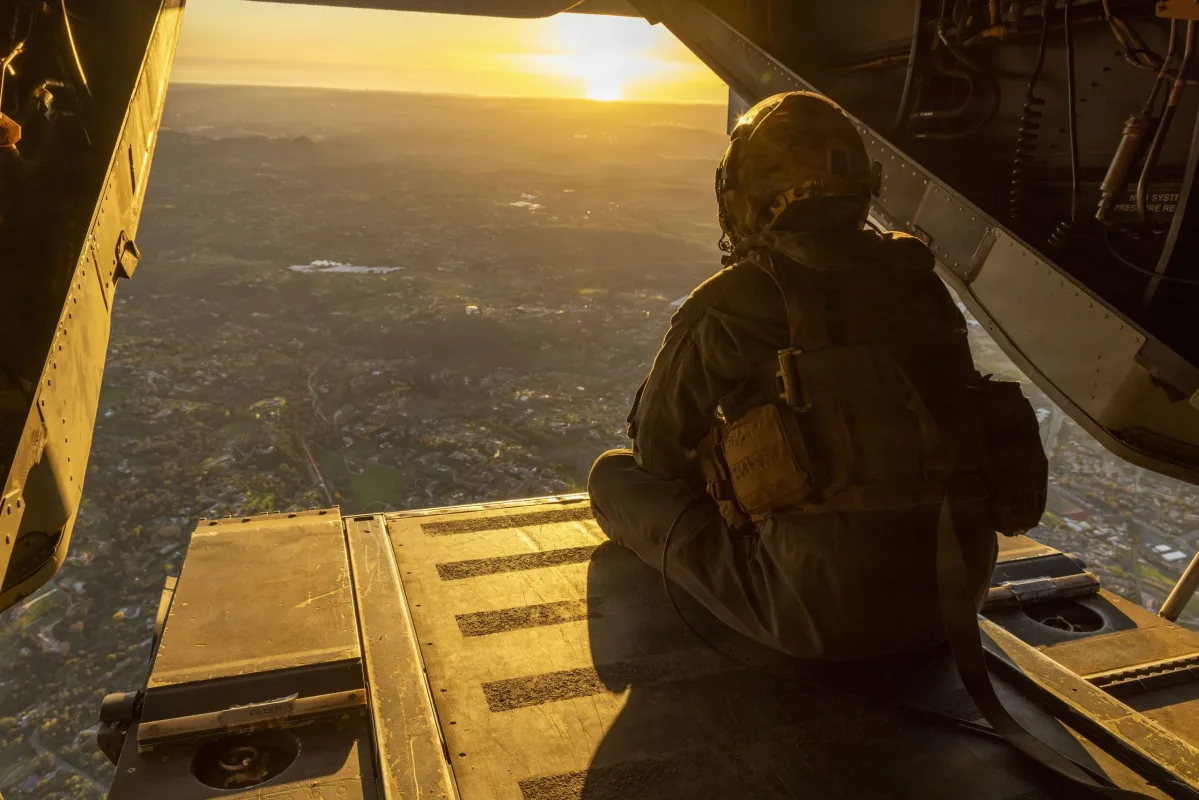

Washington's decision to drastically cut its contribution to NATO's rapid response force has triggered an internal diplomatic crisis within the Alliance, prompting European governments to urgently seek clarification. The removal of frontline military assets — essential for patrolling and rapid reaction — indeed risks compromising the collective capability of the Western axis to deter and contain Russia's growing aggressive ambitions.
Sources close to the negotiation tables reveal that overseas delegates have recently presented European partners with a detailed plan to lighten the U.S. contribution to the "New Force Model." This is the strategic pool of armaments and contingents that the Atlantic Alliance must be able to mobilize within a timeframe not exceeding 10 days to extinguish any crisis outbreak at its inception.
The Details of the Disengagement: The Dossier Revealed by Die Welt
Breaking the confidentiality on the Pentagon's plans was a journalistic scoop by the German newspaper Die Welt, which disseminated the inventory of assets that the American administration intends to recall home. The contraction of investments hits the pillars of continental security:
The Map of Contingent Cuts:
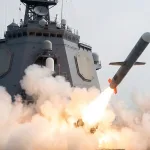
- Elite Naval Assets: The USA intends to deprive NATO of one of the two carrier strike groups currently operational in the Old Continent, simultaneously nullifying the presence of submarines equipped with Tomahawk cruise missiles.
- Aerial Logistics: Aircraft used for in-flight refueling will undergo a reduction, decreasing from 79 to 63 units.
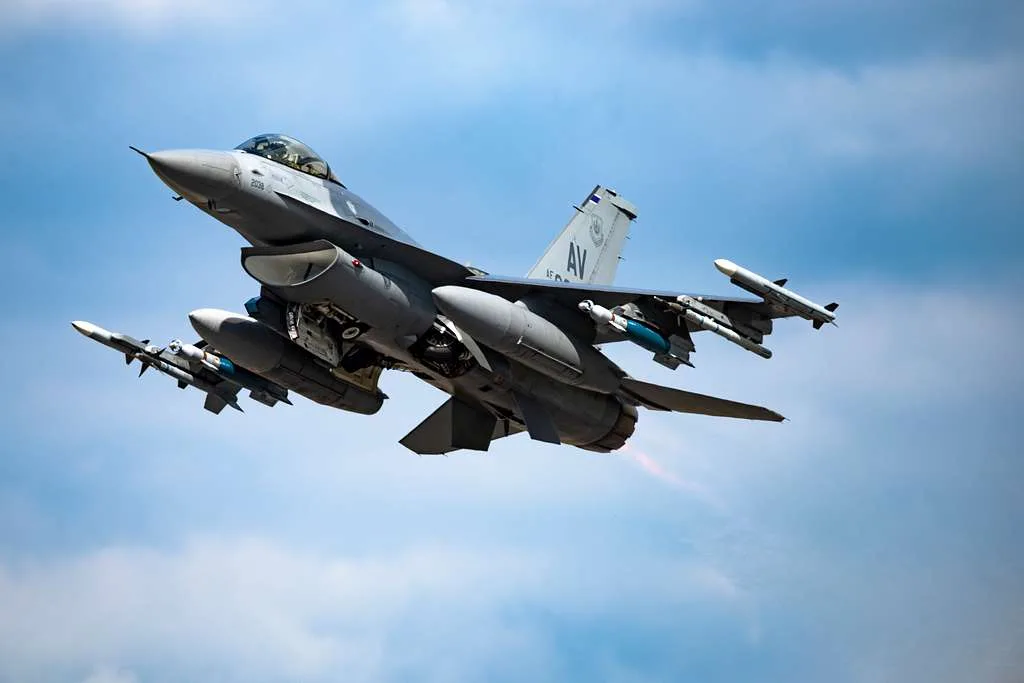
- Air Supremacy: The fleet of multirole fighters F-16 and F-15E available to the integrated command will decrease from 153 to 99 units.
- Submarine Surveillance: The deployment of P-8 Poseidon maritime reconnaissance aircraft, essential shields for tracking Moscow's submarine movements, will be reduced.
This funding cut reflects President Donald Trump's geopolitical doctrine, firmly intent on lightening the logistical commitment in Europe to focus the military apparatus and state finances on the Asian theater and American internal security. In this context, recent measures to repatriate 5,000 troops stationed in Germany and revoke the deployment of a long-range heavy artillery unit are also included.
Intelligence on Alert and the Specter of Conflict
The upcoming NATO leaders' summit will inevitably be monopolized by the need to transfer the financial and operational burden to European governments. However, uncertainty and fear prevail among the chancelleries on the eastern flank of the Atlantic perimeter, exacerbated by military analysts' reports.
"Defense leaders and several European diplomats agree that Moscow could test NATO's resilience with a show of force within the next two or three years. The real problem is that we are groping in the dark: we do not know if this disengagement will materialize in the short or medium term."
— Confidential statement from a European diplomat
To contain the panic, officials sent by Washington have attempted to reassure partners, highlighting how European countries already possess most of the removed technologies in their arsenals. A thesis that convinces European capitals little, aware that such resources are distributed in a fragmented manner and on a reduced scale.
The Imbalance of Deterrence in the Atlantic
According to the scientific and geopolitical community, the American retreat will not penalize the entire defense line uniformly but will hit very specific geographical segments.
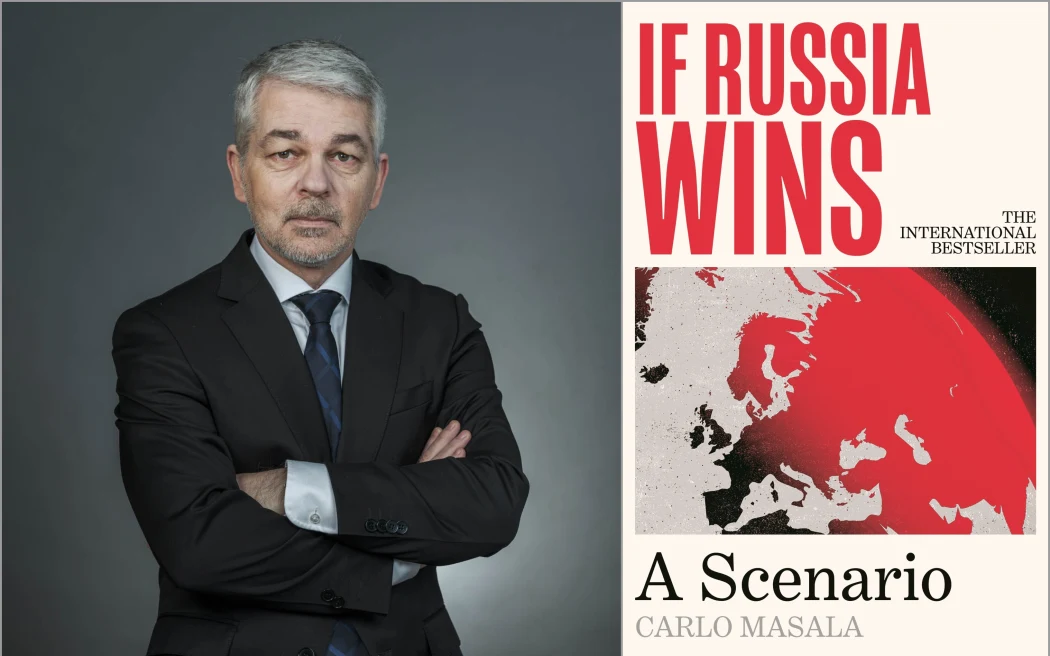
Carlo Masala, professor of international politics at the Bundeswehr University in Munich, draws a severe assessment of the maneuver:
- Return to Isolationism: "We are facing tangible proof that the White House no longer considers Europe an absolute priority for its security. Moreover, this list describes only part of the problem; the other unknown concerns the extent of the ground troop withdrawal."
- Maritime Vulnerability: The type of assets withdrawn suggests that the defensive shield will yield primarily in the Atlantic Ocean and along the southern perimeter of the Alliance, partially preserving only the eastern front.
Washington's Silence and the Pentagon's Line
Pressed by journalists, the American presidency preferred not to release official statements, delegating the response to the Department of Defense.
The Pentagon merely confirmed the line expressed by the United States European Command (EUCOM). The reorganization of contingents, personally coordinated by the Under Secretary of Defense for Policy Elbridge Colby, responds to a clear mandate: "Ensure that Europe takes on the primary responsibility for its conventional security, responding autonomously to the challenges threatening its territory".




Comments
No comments yet. Be the first!