


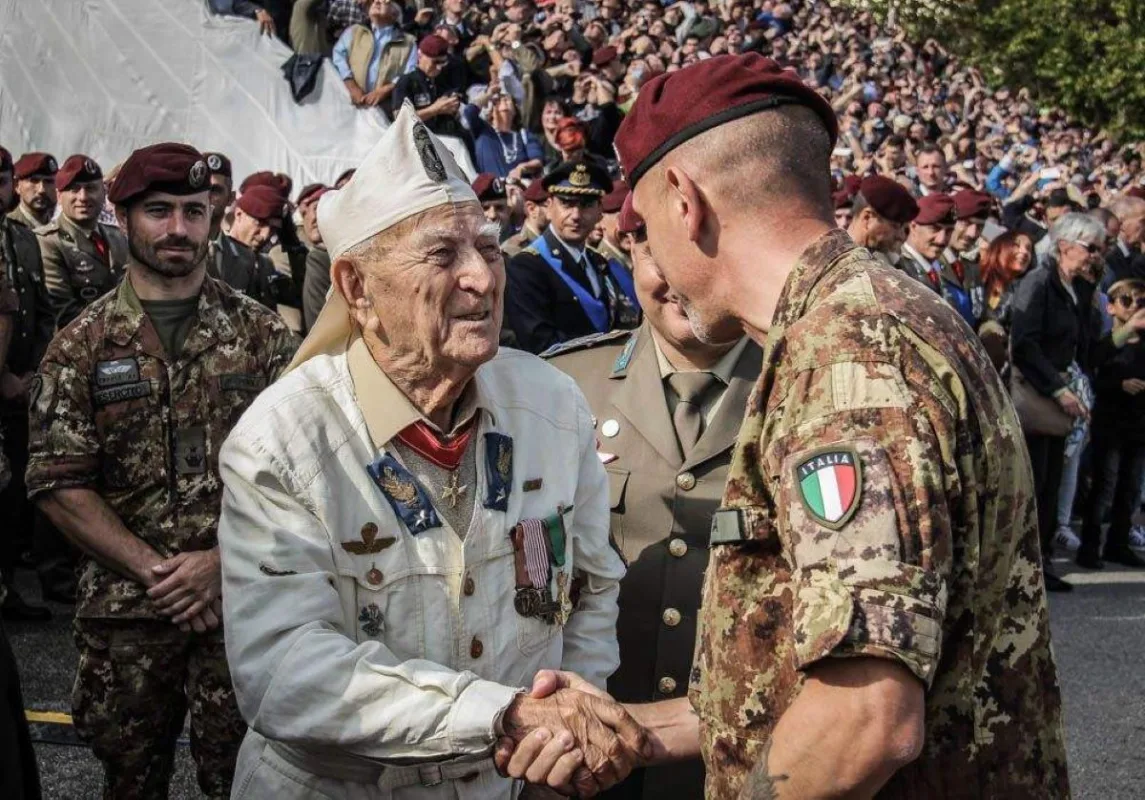

In Italy, the quality of military equipment is not just a technical issue: it is a cultural and moral issue. When there is a lack of a true defense culture, defense easily becomes a sector perceived as “special” only for rules, confidentiality, and tenders, not for its essence: protecting those who serve the State. And when part of the country treats defense as a marginal issue, part of the industrial chain ends up treating it like any other sector: documents, compliance, relations, narrative.
Key concept: in defense, quality is not optional, it is responsibility towards real lives.

Quality in Defense is Not Marketing: It's Survival
Here “quality” does not just mean meeting a specification or passing a test. It means functioning in the field: with stress, tight deadlines, cold, darkness, gloves, noise, difficult maintenance, imperfect logistics. A system can be “perfect on paper” and fail in reality. And in defense, when reality presents the bill, it presents it to the units, not to the slides.
Key concept: compliance ≠ quality. Quality is operational suitability.
The Real Poison: Out-of-Context Bureaucrats (and “Relationship” Careers)
The most toxic part of the problem is that in too many realities, crucial decisions are made by people far from the defense world, without direct experience of real deployment. And when personnel selection slips towards cooptation logics, relational networks, or nepotism, the damage is not only ethical: it is engineering. Because nepotism does not only produce injustice: it produces technical mediocrity.
Key concept: nepotism is not only immoral: it is a design flaw.

How Mediocrity Becomes a Technical Flaw
The consequences are always seen in the same points: wrong requirements, doctored tests, ignored life cycle. “Brochure” parameters are pursued, and robustness, usability, and maintenance are neglected; designs are made to “pass” rather than to discover what does not work; repairability, manuals, training, and logistics are underestimated. The result is a paradox: formally correct products that are operationally mediocre. The industry can declare success; the unit, in the field, experiences failure.
Key concept: when operational capability is missing in the company, quality becomes bureaucracy.
The Moral Point Everyone Pretends Not to See
Providing equipment to the Armed Forces is not a neutral supply. It is a choice that impacts safety, effectiveness, resilience, accident reduction, survival. If this moral responsibility is not internalized, it becomes easier to accept wrong compromises and postpone corrections, offloading the real cost onto the military.
Key concept: in defense, technical quality is the concrete form of moral responsibility.
The Solution That Scares Because It Is Simple: Hiring Veterans
It is not enough to “listen to the military” occasionally. Advisory boards and periodic meetings are not enough. Quality truly improves only when operational experience is inside the company, every day, in the roles that matter: requirements, design, testing, quality, safety, maintenance, support. Veterans bring what cannot be replaced with a document: tacit knowledge. They know what happens under stress, which procedures are bypassed, where usage errors originate, which “small defects” become major risks.
Key concept: consulting is not enough: operational capability must be incorporated.

Why “Consulting” Does Not Work (and Why Hiring Does)
If operational experience is not internal, it arrives late, in packages, when changing is costly and turns into negotiation. Hiring veterans means shifting operational truth upstream, where errors originate and decisive compromises are made.
Key concept: if operational capability enters at the end, it becomes a problem; if it enters at the beginning, it becomes quality.
The Final Question: Contracts or Responsibility?
Do we want an industry that lives on contracts or an industry that lives on responsibility? Without a defense culture, without real meritocracy, and without veterans with voice and power in decision-making points, quality will remain a declared and rarely achieved goal.
Key concept (final): without veterans inside companies, quality remains propaganda. With them, it becomes inevitable.





Comments
No comments yet. Be the first!