


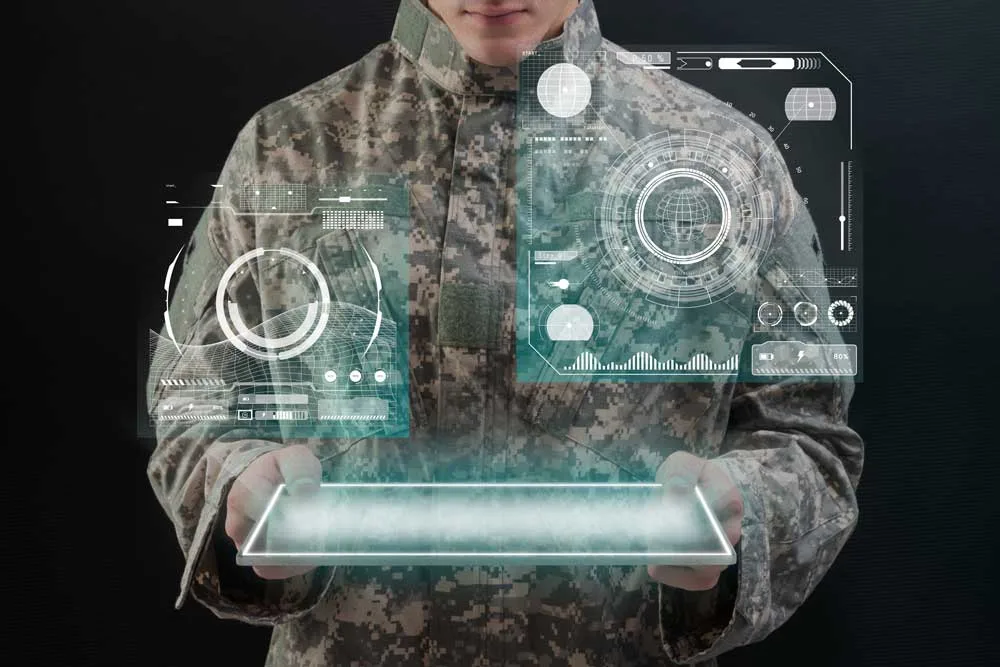

In recent years, technological evolution has led to a significant change in the way wars are conducted and nations are defended. At the center of this transformation is the rise of cyber attacks in the military context, which have become one of the most significant and insidious threats to global security.
These attacks, ranging from the theft of confidential information to the destabilization of critical infrastructures, offer attackers a powerful means to influence geopolitical dynamics without necessarily resorting to conventional military force.
Cyber attacks can take multiple forms, each with specific goals and methods. Here is an overview of the most common types:
- Malware: Any malicious software designed to damage or exploit any program, network, or system. Includes viruses, worms, trojans, ransomware, spyware, and adware.
- Phishing: Attempts to deceive victims into revealing personal information, such as passwords and credit card details, through fake emails or websites that appear legitimate.
- Man-in-the-Middle (MitM) Attacks: Attackers intercept communication between two parties to steal or manipulate data.
- Denial-of-Service (DoS) and Distributed Denial of Service (DDoS): These attacks aim to overload a system or network's resources, making it inaccessible to legitimate users.
- SQL Injection: The attacker exploits vulnerabilities in application software to insert or "inject" malicious SQL code into a database, allowing them to access or destroy sensitive data.
- Cross-Site Scripting (XSS): An attacker inserts malicious code into web pages viewed by other users to steal information or compromise user interaction with the application.
- Zero-day Exploit: Attacks that exploit security vulnerabilities not yet known to software creators or the public. Attackers use them before they are patched.
- Supply Chain Attacks: Target suppliers or partners in an organization's supply chain to access the main target's systems or networks.
- Ransomware: A type of malware that encrypts the victim's files, making them inaccessible, and demands a ransom for decryption.
- Credential Stuffing Attacks: Use lists of usernames and passwords stolen from one site to attempt access to other sites, exploiting users' credential reuse.
- Social Engineering: Psychological manipulation of users to perform actions or reveal confidential information. It does not rely on technical vulnerabilities but on human ones.
- Insider Threats: Security threats that come from individuals within the organization, such as employees, former employees, contractors, or business partners, who have internal access to systems or data.
These attacks can have various objectives, such as data theft, service disruption, system or network damage, or financial fraud. Effective security measures require a multilayered approach that includes physical, technical, and administrative protection to mitigate these risks.
The New Frontier of Cyber Warfare
Cyber attacks in the military domain represent a new frontier of cyber warfare, allowing states and non-state groups to engage in hostile actions with a degree of anonymity and deniability. These attacks can have various objectives, including:
- Cyber Espionage: The theft of sensitive data and military secrets through cyber intrusions has become a common practice, offering attackers valuable information on defense plans, advanced technologies, and operational strategies.
- Sabotage: Cyber attacks can be aimed at disabling critical infrastructures, such as power grids, communication systems, and weapon controls, causing disruptions and compromising a nation's response capability.
- Disinformation and Psychological Operations: The use of cyber campaigns to spread disinformation and influence public opinion is another powerful tool that can alter the political balance and undermine social cohesion.
Challenges and Responses
The asymmetric nature of cyber warfare poses unique challenges for national defense. The difficulty of attribution, the speed of attacks, and their global reach require innovative and collaborative responses. Nations are investing significantly in strengthening their cyber defense capabilities, developing military units specialized in cyber warfare, and cooperating internationally to counter cyber threats.
Towards a Collective Security Framework
The growing threat of cyber attacks in the military context underscores the need for a multilateral approach to cybersecurity. The creation of international norms for behavior in cyberspace, along with the development of information-sharing mechanisms and cooperation in cyber defense, are fundamental steps to prevent conflict escalation and ensure global stability.
Recently, the Italian Army has also undertaken an initiative to strengthen the awareness and preparedness of its forces in the face of such challenges. Recently, the Cyber Security Awareness App (we discuss it in this article) was developed and launched, a platform designed to educate and train military and civilian personnel on cybersecurity. With the introduction of this app, the Italian Army underscores its commitment to promoting a digital security culture that meets the challenges of the 21st century.
Conclusion
Cyber attacks in the military context represent a complex and ever-evolving challenge to international security. As nations adapt to this new form of conflict, the ability to prevent, detect, and effectively respond to cyber attacks will be crucial to maintaining peace and protecting critical infrastructures. In this scenario, international collaboration and technological innovation play a key role in defining the future of global security in the digital age.



Comments
No comments yet. Be the first!