


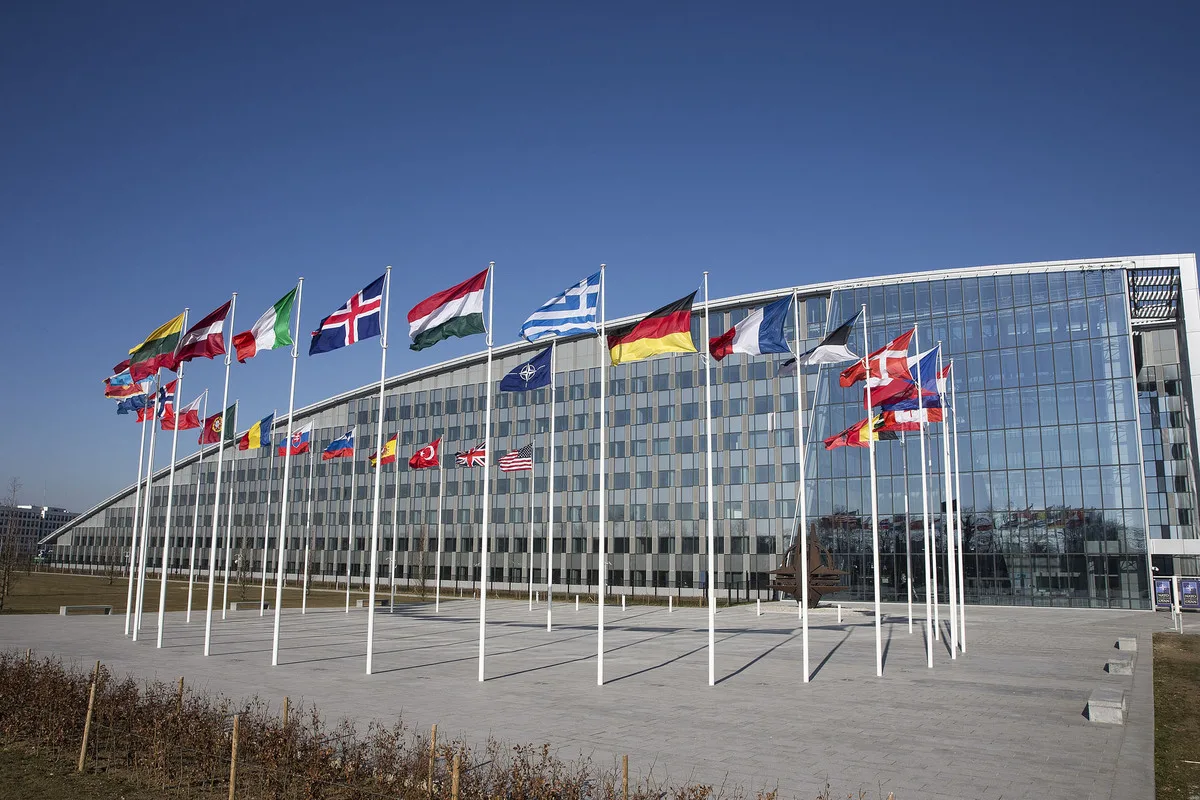

Brussels, May 14, 2025 – The 193rd session of the NATO Military Committee was held at the NATO Headquarters in Brussels. The meeting brought together the Chiefs of Defense of thirty-two allied countries, who addressed the main challenges to Euro-Atlantic security, focusing on NATO's deterrence and defense posture, support for Ukraine, and preparations for the Alliance Summit scheduled in The Hague in June.
The session was opened by Admiral Giuseppe Cavo Dragone, former Commander of COFS and now Chairman of the NATO Military Committee, who emphasized how unity and cohesion among allied armed forces have been the foundation of the Alliance's collective defense. “In a historical moment marked by complex and unstable threats, the ability of our armed forces to operate together decisively has been NATO's true strength”, he declared.

The Chairman reiterated the strategic priorities of the Alliance's Military Authorities: providing timely, autonomous, and concrete military advice to political leadership, supported by a clear and resolute collective will. The session was a crucial opportunity to strengthen the common strategic vision and to define the next steps for the Alliance.
Deterrence, Innovation, and Transformation of NATO Strategy
During the second part of the meeting, the Chiefs of Defense listened to the address by General Christopher Cavoli, Supreme Allied Commander Europe (SACEUR), who outlined the current state of NATO's deterrence and defense posture. His briefing provided an updated overview of ongoing operations and missions, with a look towards future prospects.
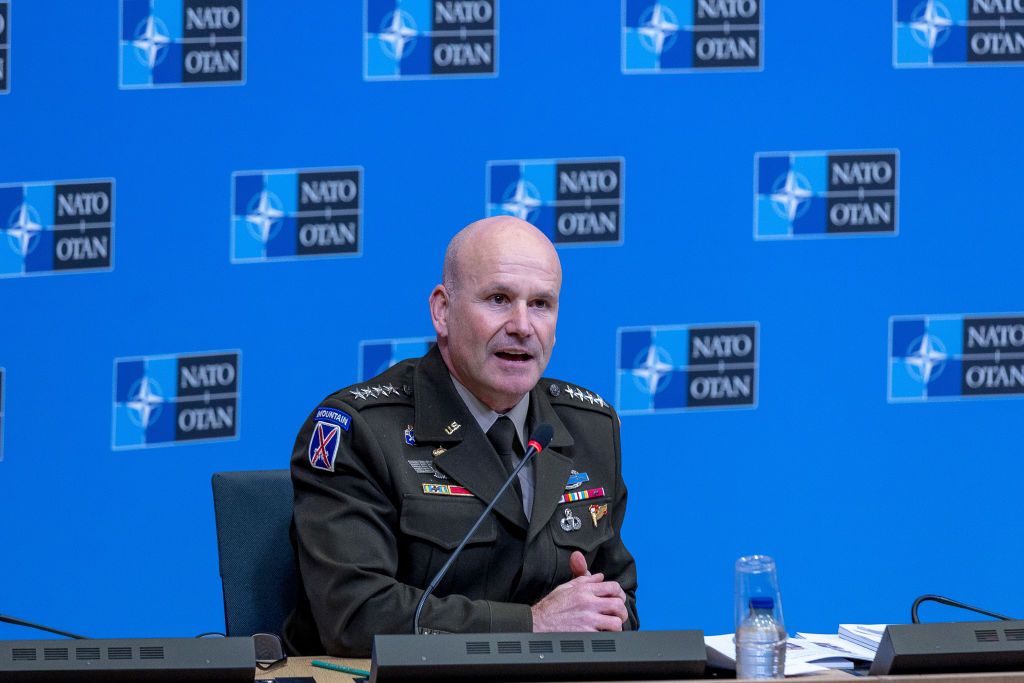
General Cavoli highlighted the strategic importance of maintaining a strong and ready presence along the Alliance's eastern flank, emphasizing that NATO's credibility has been based precisely on its ability to prevent and, if necessary, respond effectively to any threat.
Subsequently, the Chiefs of Defense engaged with Admiral Pierre Vandier, Supreme Allied Commander Transformation (SACT), who presented the progress made in defense planning and technological developments. In particular, he spoke about innovation in key areas such as cyber defense, artificial intelligence, and autonomous systems, emphasizing how the Alliance's ability to quickly adapt to change has become essential to maintaining strategic advantage.
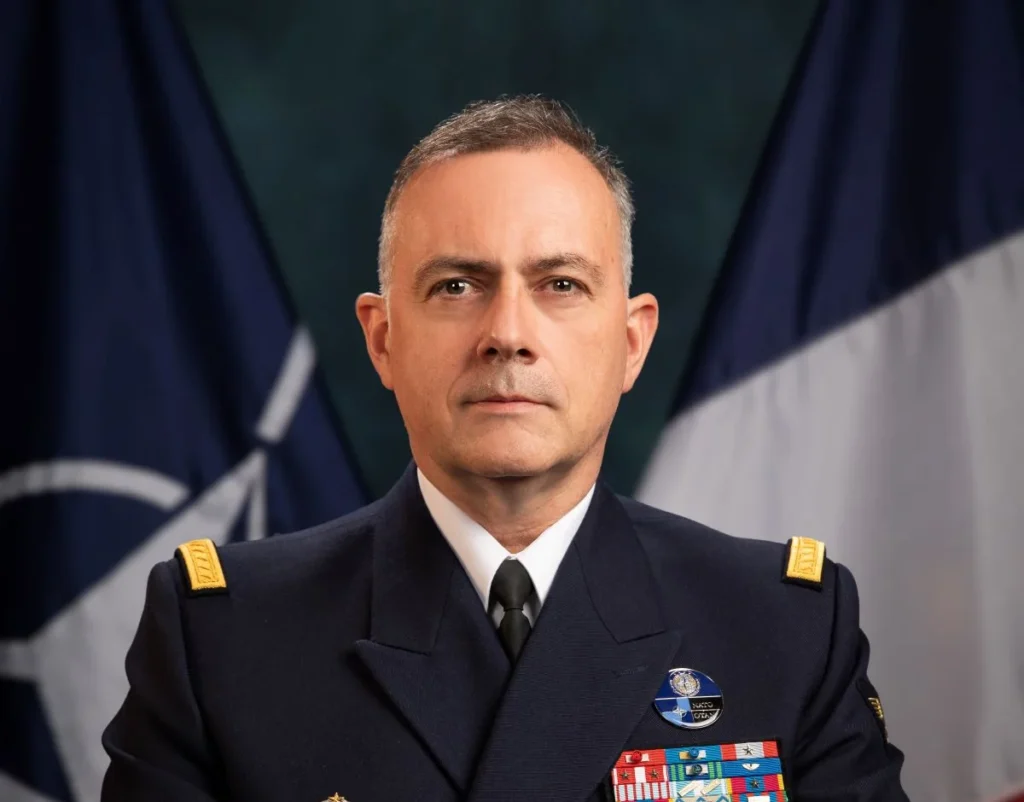
This phase of the meeting confirmed the increasingly close link between technology, military doctrine, and strategic planning.
Support for Ukraine and Strengthening the NATO-Ukraine Council
In the concluding session, military leaders connected via videoconference with General Oleksandr Syrskyi, Chief of Defense of Ukraine, who spoke from Kyiv to provide an update on the operational situation in the country. Syrskyi outlined the priorities of the Ukrainian armed forces and their expectations of the Alliance.

The Allies reiterated their full support for Ukraine, confirming that its defense remains a priority for Euro-Atlantic security. Through the NATO-Ukraine Council, political-military cooperation has intensified, allowing for more timely military and logistical assistance.
During the discussion, a shared conviction emerged that, now more than ever, it is crucial to ensure the continuous flow of aid, equipment, and operational capabilities to Ukraine. Military representatives also discussed new support modalities, both through multilateral initiatives and bilateral channels, in anticipation of a possible escalation of the conflict.
At the conclusion of the proceedings, Admiral Cavo Dragone thanked the participants, describing the meeting as “productive and strategically relevant.” He then announced that the next meeting will be held by the end of the year, while attention has already turned to the Summit in The Hague, which will represent a key moment for NATO's future.


Comments
No comments yet. Be the first!