


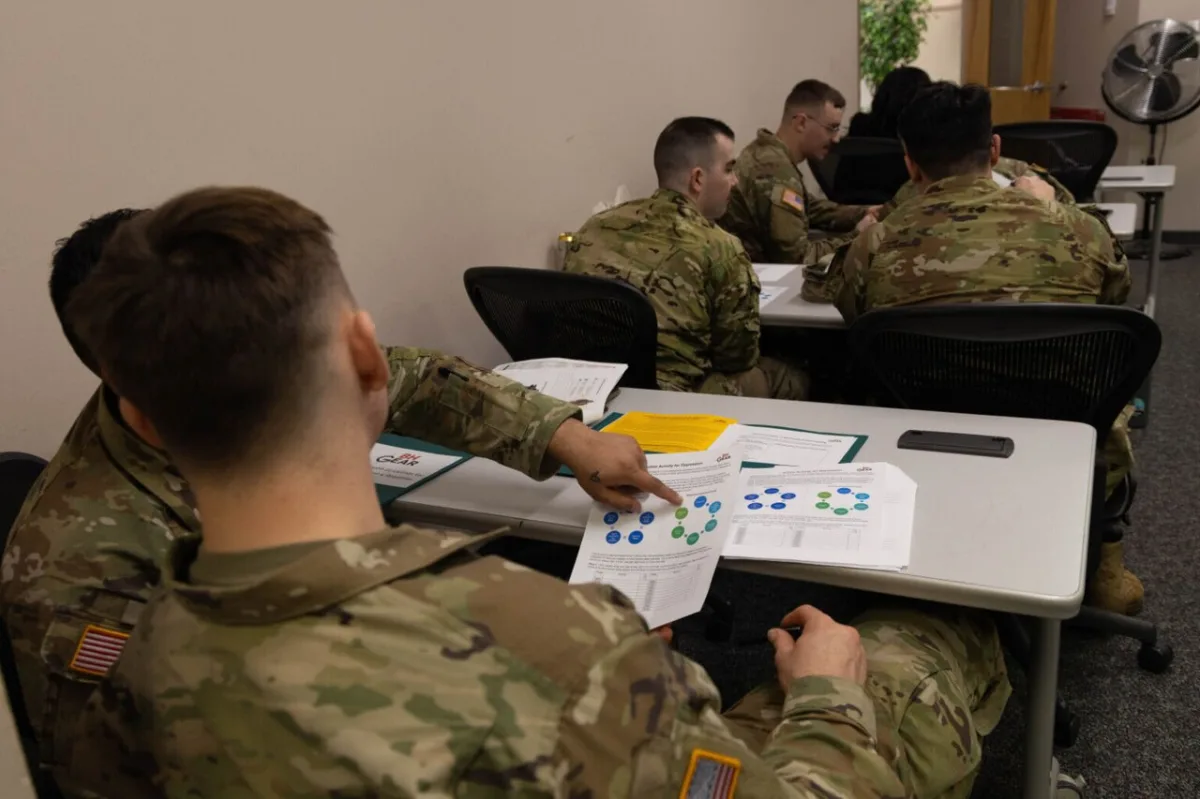

In the increasingly complex context of multidomain conflicts, where operational readiness is as essential as technological superiority, the United States Department of Defense launches a pioneering initiative that focuses on human value as a strategic lever. During the Special Operations Forces Week in Tampa, Florida, Secretary of Defense Pete Hegseth emphasized a crucial concept: "People matter more than equipment". Embodying this vision is the BH-GEAR program (Behavioral Health Guidelines for mEdic Assessment and Response), designed to provide military rescuers with the tools to effectively address mental health emergencies in the field.
A Lifesaver for the Mind
Created by Dr. Katie Nugent, a behavioral health epidemiologist at the Walter Reed Army Institute of Research, the BH-GEAR program stems from years of study, analysis, and direct listening to soldiers' needs. In 2018, Nugent and her team interviewed 23 operators — mostly special forces medics — gathering testimonies on the emotional difficulties experienced in the absence of immediate psychological support: insomnia, silent panic attacks, unexpressed tensions. The conclusions, published in the journal Military Medicine, highlighted the urgency of an integrated approach to mental health in the field.

Tactical Training, Strategic Impact
The BH-GEAR course condenses intensive and practical training into a single day: military rescuers learn to recognize signs of psychological distress with the same systematic approach as treating physical injuries. Through simulations and role-play, participants develop the ability to conduct a structured interview in less than five minutes to assess mood, sleep quality, and risk of self-harm or aggression.
The core of the training includes:
- quick emotional de-escalation techniques (controlled breathing, grounding exercises),
- direct questions about suicidal or violent thoughts,
- a decision tree to determine whether the soldier can return to duty, needs clinical support, or must be evacuated.
A "refresher" update module and an extended train-the-trainer version allow units to build autonomous internal teams.
A Response to the Shortage of Specialists
Dr. Nugent highlighted a structural problem: in remote operational theaters or under limited communication conditions, there are not enough specialists to cover every forward base. BH-GEAR aims to fill this gap, transforming the military rescuer into an immediately operational asset for mental health as well. Her 2022 research had already denounced the scarcity of hours dedicated to psychological training in standard courses (just eight hours in six weeks), despite psychiatric evacuations being among the most frequent in the conflicts in Iraq and Afghanistan.
The program is currently being disseminated among trainee rescuers at the Army Medical Center of Excellence in San Antonio. The first adaptations for Navy medical personnel (hospital corpsmen) and Air Force (independent duty medical technicians) are already underway, with the goal of achieving a scalable training model: from basic notions for new medics to advanced courses for experienced operators.
Nugent's profile combines clinical background, academic rigor, and operational applications: she began her career in a civilian psychiatric clinic, earned a master's degree in clinical psychology, a doctorate in public health, and a post-doctoral specialization in psychosis research. Since 2015, she has contributed to defining army policies on resilience and suicide prevention.
Conclusions
In an era where the effectiveness of the armed forces increasingly depends on the psycho-physical well-being of the individual combatant, BH-GEAR represents a concrete example of how science and empathy can strengthen operational readiness. As Nugent emphasized: “The science is solid, the demand is real, and the stakes are high”. The goal is clear: to keep military personnel ready, resilient, and capable of facing any mission — even when the enemy is invisible and lurks in the mind.



Comments
No comments yet. Be the first!