



The skies of today's operational theaters — from the tense waters of the Persian Gulf to the Ukrainian trenches — are rewriting the rules of naval and ground engagement. On one hand, the proliferation of low-cost drones has introduced lethal asymmetric threats, while on the other, technological innovation is transforming traditional means and creating new hopes for saving human lives in prohibitive contexts.
At the center of this revolution are two seemingly opposite but complementary dynamics: the evolution of attack helicopters into true C-UAS (Counter-Unmanned Aerial Systems) platforms and the assignment of the most dangerous rescue missions to robotic assets.
The Attack Helicopter: From Tank Hunter to Anti-Drone "Shield"
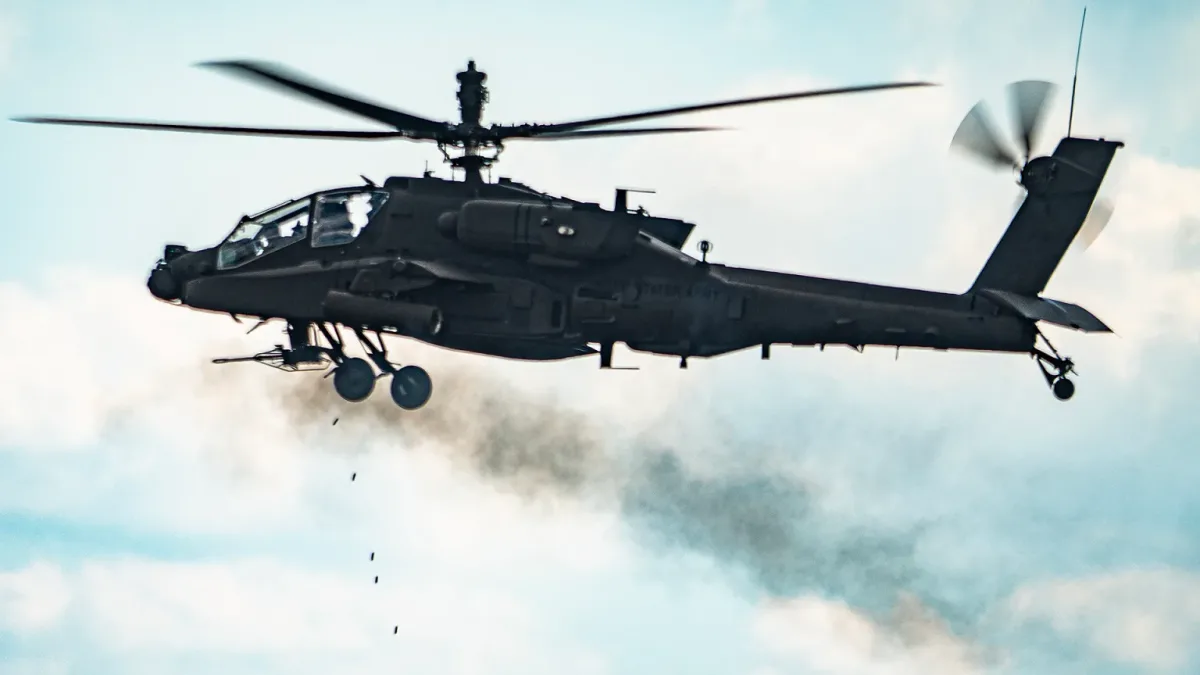
Conceived during the Cold War to halt Soviet armored columns and later employed for close air support in Iraq and Afghanistan, iconic helicopters like the AH-64 Apache are undergoing a rapid operational transition.
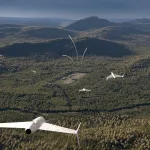
Today, the sensors and weapons of these machines face a smaller, elusive, and numerous threat: kamikaze drones (such as the feared Shahed) and remotely piloted systems.
- Active sentinels: In crisis areas and strategic bottlenecks (like the Strait of Hormuz or the Red Sea), attack helicopters act as advanced lookouts. They no longer just monitor the water surface from assault boats but scan the skies for hostile drones.
- Interception capabilities: Thanks to millimeter-wave radars, advanced optoelectronic sensors, rapid-targeting cannons, and missiles (like the Hellfire), helicopters are becoming essential assets for shooting down enemy drones in flight, serving as mobile air defense to protect friendly ships or ground troops.
However, as recent episodes demonstrate, the hunter can become prey. When a Western aircraft is shot down, the need arises to recover the crew. And this is where the paradigm shifts dramatically.
Robotic Search and Rescue (SAR): The Dawn of Unmanned Angels
Traditionally, CSAR (Combat Search and Rescue) missions involve sending heavily armed helicopters and special forces teams to recover personnel downed behind enemy lines. But in scenarios with very high-density anti-aircraft defenses (A2/AD) or under crossfire, sending a rescue helicopter means risking the lives of other rescuers.
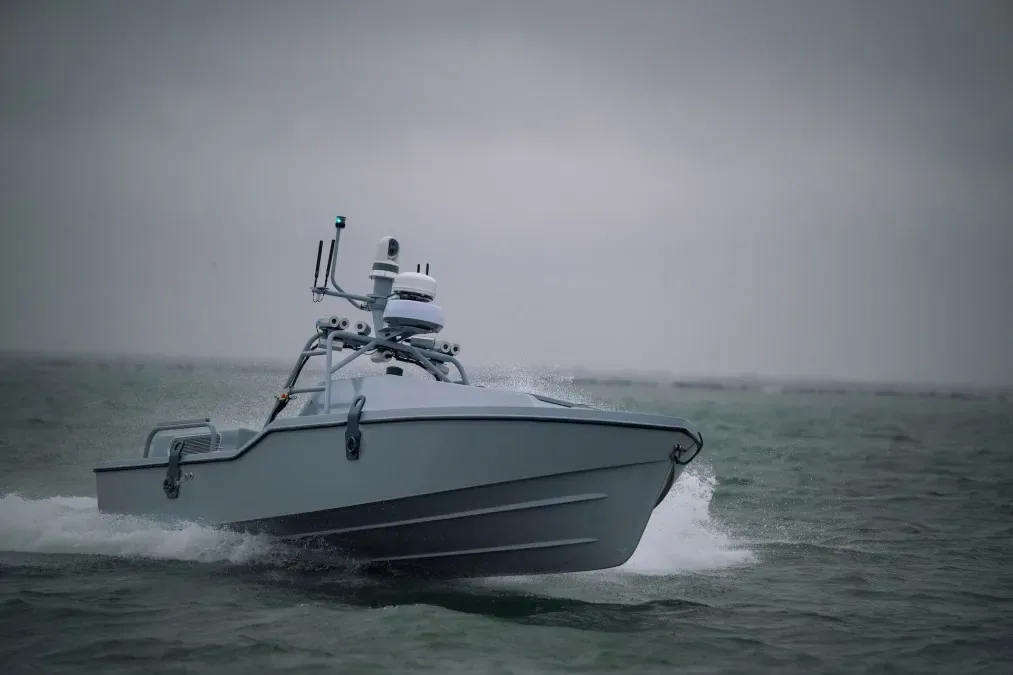
The solution from the Pentagon and modern armies looks downward: if the sky is too dangerous for humans, rescue comes from drones.
- Automated maritime rescue: In naval scenarios, the recovery of pilots forced to ditch can be entrusted to robot boats (like the surface drones tested by the Task Force 59 of the US Navy). These navigating means, guided by artificial intelligence and satellites, move silently at night, evading radar to pick up survivors in total safety for the rescuers, avoiding exposing frigates or helicopters to coastal battery fire.
- Land medical evacuation (MEDEVAC): On Ukrainian battlefields, this "science fiction" is already a daily reality. To extract the wounded from the front line in areas constantly monitored by killer drones, small wheeled or tracked ground vehicles are employed. These "robotic stretchers" have silent electric motors that do not generate large thermal traces and crawl through the ruins of destroyed cities to bring wounded soldiers home, remotely controlled.
The Future of the Battlefield
We are facing a fascinating technological paradox: the machines that today saturate the skies, forcing traditional pilots to rethink their defensive tactics (C-UAS), are the same intelligences that, in different forms, ensure rescue in those areas that have become off-limits for humans.
Combat drones have made the world more dangerous for flight crews, but rescue drones promise to leave no one behind, transforming into the last frontier for safeguarding human life in future wars.



Comments
No comments yet. Be the first!