




The NATO ministerial meeting on June 5, 2025, in Brussels marked a decisive step in the strategic transformation of the Alliance. The 32 Defense Ministers agreed on a new and ambitious set of capability targets (Capability Targets 2025, Ct25), aimed at strengthening collective deterrence and ensuring operational readiness for the years to come. As stated by Secretary General Mark Rutte, these targets “describe exactly which capabilities the Allies need to invest in to keep our defense strong and our billion people safe.”
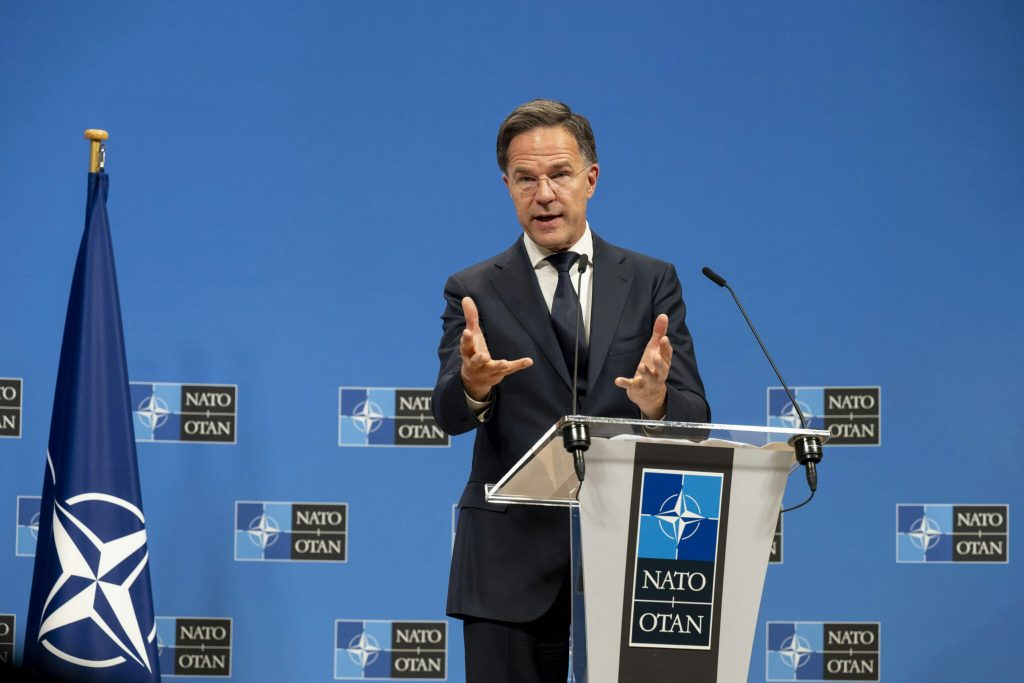
The central proposal calls for Allies to collectively invest 5% of GDP in defense: 3.5% for basic military spending, and 1.5% for security, infrastructure, and resilience. This plan, which will form the basis for a new investment program to be officially approved at the Hague summit (June 24-26), implies an unprecedented transformation in the defense budget of member states.
The United States, through Defense Secretary Pete Hegseth, expressed full support for the proposal, calling it necessary to restore the balance between European and American contributions. Currently, Washington spends 3.4% of its GDP on defense: a figure that highlights the gap with many European allies, still at 2% or less.
Divergences Among Allies and Italian Realism
Despite the unity in principle, there are strong divergences on timing. The Baltic and Eastern countries, more exposed to the Russian threat, are calling for close deadlines: Estonia and Sweden aim to reach 5% by 2030. “If we don't act now, we'll have to learn Russian,” declared Lithuanian Minister Dovilė Šakalienė harshly, evoking the perceived pressure from those directly bordering Moscow and Minsk.
Italy, on the other hand, has taken a more cautious stance. Minister Guido Crosetto clarified that “spending 5% of GDP at the moment is impossible,” calling it rather a long-term goal. Rome supported the British proposal to set 2035 as a realistic date to achieve the targets, meanwhile requesting the activation of a European clause to exclude military spending from the Stability Pact. “A four or five-year clause is not enough: a twenty or thirty-year exemption is needed,” observed Crosetto.
The gradual approach adopted by Italy reflects a careful assessment of economic conditions and national priorities. Achieving the 2% GDP target, set at the 2014 Wales summit and achieved in 2025, demonstrates the country's progressive commitment to strengthening its defensive capabilities. In view of the new 5% target, Italy will now face the challenge of contributing sustainably and consistently to the collective strengthening of the Alliance, in a rapidly evolving geopolitical context.
Investments, Deterrence, and Support for Ukraine
The Capability Targets 2025 foresee a 30% increase over previous targets, with emphasis on air and missile defense, long-range missiles, rapid land forces, advanced command systems, and a significant increase in personnel. For Italy, this will entail significant investments in critical sectors such as air defense, with potential benefits for the national industry (Leonardo, Fincantieri), but also enormous budgetary challenges: moving from 1.5% to 3.5% of GDP in core spending means almost doubling investments.
The summit also saw significant participation from the NATO-Ukraine Council. The Allies, joined by Ukrainian Minister Rustem Umerov and EU High Representative Kaja Kallas, reaffirmed support for Kyiv, with over 20 billion euros of additional assistance already allocated in 2025. Rutte welcomed the further commitments emerged in the Ukraine Defense Contact Group. This support, in addition to strengthening Ukrainian resilience, is seen as a key element of the strategy to contain Russian aggression.
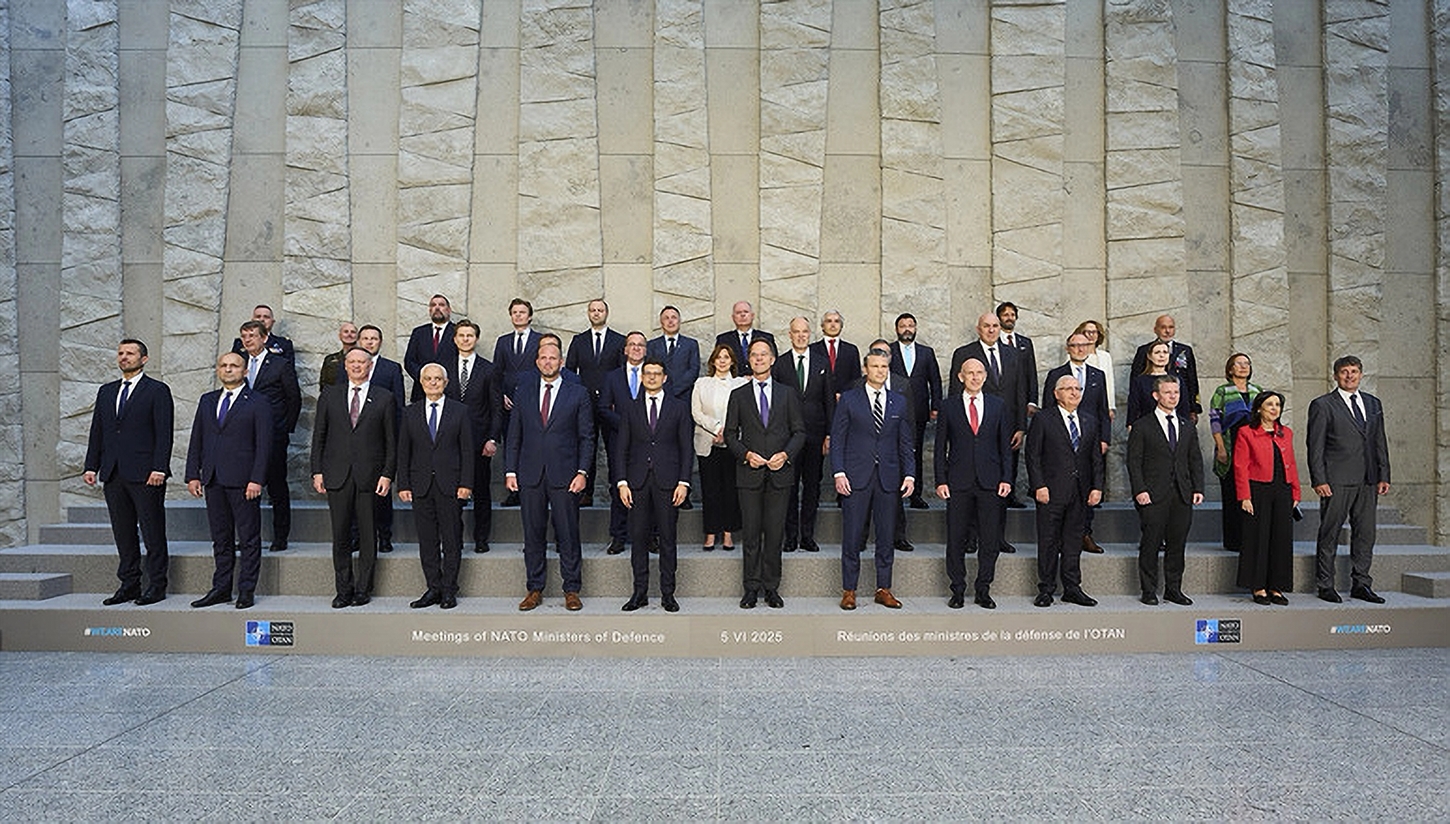
Finally, during the Nuclear Planning Group meeting, the Allies reaffirmed the importance of nuclear deterrence as a pillar of NATO security. “We will ensure that the Alliance's nuclear capability remains strong and effective,” Rutte declared, “to preserve peace, prevent coercion, and deter aggression.”
In view of the Hague summit, the Alliance is thus preparing for a strategic shift: a stronger, fairer, but also more expensive NATO. In an era where deterrence returns to the center of European security, investment in defense is confirmed not as just any expense, but as the very condition for peace. As the Secretary General reminded, today more than ever the principle holds: si vis pacem, para bellum.



Comments
No comments yet. Be the first!